
WHY CHEETAH SURVIVAL NEEDS LONG-TERM SUPPORT
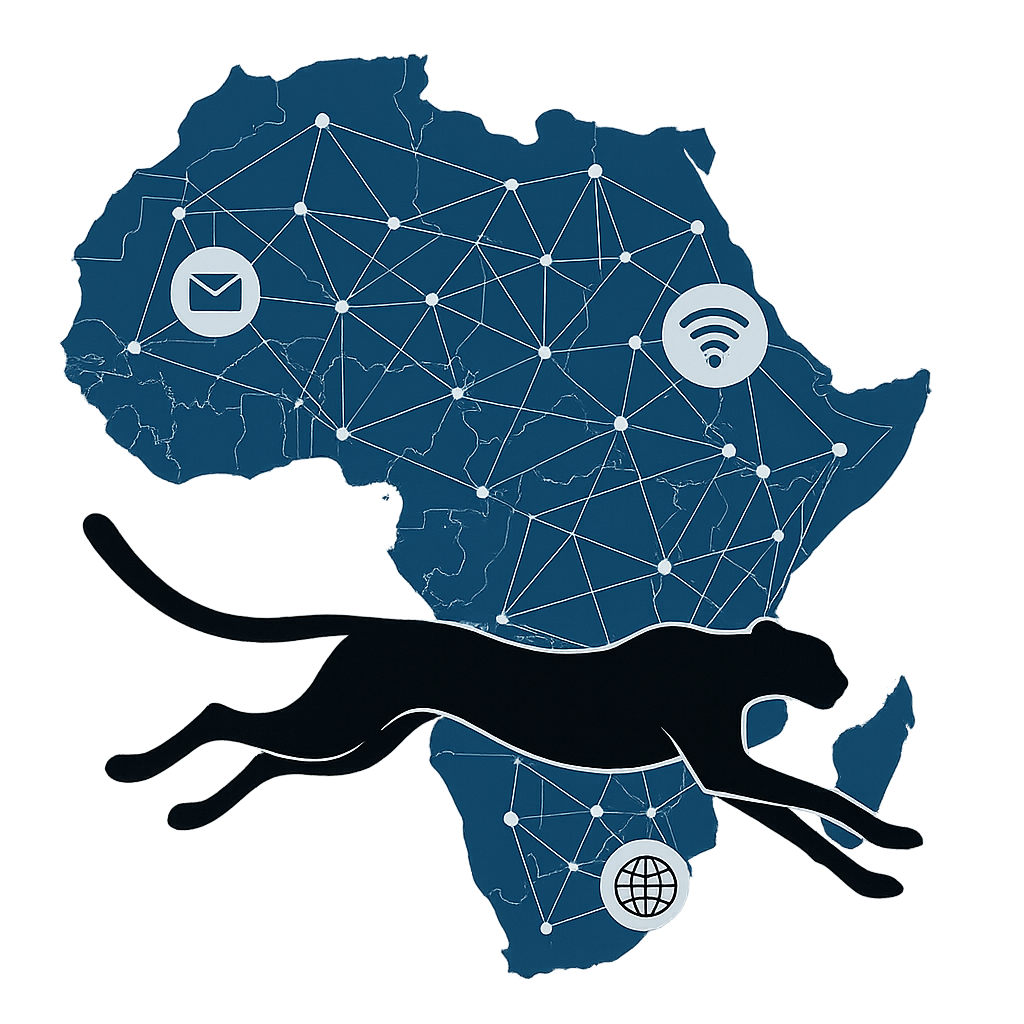
Explore how genes, corridors, and funding connect to save cheetahs. A 5-year plan details moving cats, tech, and community efforts.
Saving cheetahs is a big, expensive puzzle across Africa. It costs over $3,800 to keep one cheetah alive for a year, paying for things like collars and medicine. A large project is using $4.3 million to move cheetahs and connect their homes, which helps their genes stay strong. This plan involves moving cats, helping people, and using new tech to make sure cheetahs can run across Africa long after 2050.
How much does it cost to save a cheetah?
To keep one cheetah alive for 12 months, the annual cost is approximately $3,855. This includes expenses like collars, satellite subscriptions, capture drugs, vaccinations, and emergency immobilization kits for rangers. The Origins Foundation covers 40% of these costs, leveraging additional funds from other sources.
Get Cape Town news in your inbox
Stay updated with the latest stories from the Mother City.
A field report structured around the five-year Origins–TMI accord, but told through the eyes of the people, parcels of land, veterinary trucks and data sets that must move in synchrony if Acinonyx jubatus is still to sprint across Africa after 2050.
The Starting Line: A Single Cat, 7,000 Left
The survival of a cheetah waking on the Serengeti's short-grass plains hinges on events unfolding across vast distances. A miombo woodland in Mozambique sits 1,800 km to the southeast. A rancher's financial decisions in Namibia lie 600 km west. A refrigerated DNA sequencer hums in Cape Town. These threads weave together the fate of an animal that appears solitary yet belongs to an invisible demographic network spanning the continent.
Every living cheetah carries merely 0.1% of the genetic variation found in an average African lion. This stark reality means a single disease outbreak, one severe drought, or a surge in bush-meat hunting during civil unrest can annihilate an entire national population. The Origins–TMI five-year programme brings USD 4.3 million in secured core costs, with an additional USD 1.5 million in matching funds. This investment serves not as charity for a beloved icon, but as essential rent money preventing the collapse of a continent-wide "meta-house" covering 500,000 km².
The programme recognizes that conservation success demands synchrony among multiple elements: people managing land parcels, veterinary teams with their trucks, and the datasets that guide decisions. Without this coordination, the cheetah's future across Africa dims considerably.
Metapopulation Science: Why Relocating Cats Preserves Them
Elephants and wild dogs naturally traverse 400 km of farmland. Cheetahs do not. When reserves become isolated - whether by electric fencing or encircling snares - gene flow collapses first. Within approximately twelve years (ten generations), heterozygosity can plummet 20%, sperm quality deteriorates, and palate deformities emerge.
The mathematics prove compelling. Strategic relocation prevents genetic bottlenecks that would otherwise doom isolated populations. The algorithm's predictive power transforms conservation from reactive rescue to proactive management, ensuring that chess pieces keep moving across the continental board.
Anatomy of a Translocation: 16 Cheetahs, 1,400 km, 42 Days
The logistical choreography of moving cheetahs across international borders reveals the complexity beneath conservation statistics. Three weeks before departure, ethical clearance arrives. Satellite collars receive programming to detach after eighteen months, with batteries rated for 4,000 fixes - sufficient for three-dimensional home-range modeling accurate to thirty meters.
In Limpopo province, South Africa, capture day brings specialized equipment. A veterinary kit the size of a large backpack contains auto-injecting darts with tiletamine–zolazepam at 4 mg/kg, reversal drugs, antibiotics, mange prophylaxis, and a handheld ultrasound connecting to a tablet for pregnancy screening. Cheetahs feed on donkey carcasses within one-hectare holding pens. Stress hormone analysis via faecal samples must register below 30 ng/g before export certification.
The permit stack grows formidable: Mozambican Ministry of Land and Environment approval, CITES re-export and import documentation, and state veterinary movement licenses specifying "Acinonyx jubatus – live – 1.3.2" (one adult male, three adult females, two cubs). Trucks receive three-meter plywood crates with ventilation slats angled at 45 degrees to block rain. Drivers rehearse 3 a.m. departures to cross the 33°C Lebombo valley by 08:00 when border traffic remains light.
The convoy departs at 03:12. Go-Pros inside each crate record behavior for later analysis of pacing, which correlates with post-release weight loss. By 18:40 on day one, the cats reach Mbanine Reserve, Mozambique, entering a four-hectare soft-release enclosure with three-meter chain-link fencing. After 42 days, collar data reveal one female establishing a 145 km² home range, making three verified kills - two impala, one oribi - demonstrating the prey-switching capacity essential for thriving in unfamiliar habitat.
The Economics of Survival: Costs, Communities and Climate
What It Takes to Keep One Cheetah Alive for 12 Months
The financial ledger reveals sobering numbers. Collar and drop-off devices cost USD 2,800. Annual satellite subscriptions run USD 460. Capture drugs and consumables add USD 370. Rabies and FVRCP vaccinations total USD 85. Emergency immobilization kits for rangers cost USD 140. The annual total reaches USD 3,855 per animal.
Origins' grant covers 40% of these expenses for every managed cheetah in the meta-population. Reserves must generate remaining funds through tourism, trophy-hunting buffer zones, or live sales to private ranches. This creates a leverage ratio of 1:4 - each Origins dollar unlocks four additional dollars from external sources.
Community engagement proves equally vital. The Origins–TMI accord funds ten Mozambican women annually to attend the Southern African Wildlife College, with graduates committed to three years of service in their home reserves. A micro-insurance product pays USD 300 within 72 hours to communal farmers proving cheetah predation on small livestock, verified via WhatsApp photos and GPS tags. Early trials in Manica province reduced retaliatory killing by 60%.
Climate Adaptation: Shade Corridors and Heat Thresholds
Temperature presents escalating challenges. A cheetah's chase duration drops 19% for every 1°C above 38°C. Under the IPCC's SSP5-8.5 scenario, Southern Africa faces 48°C maximum temperatures by 2080. TMI responds by planting 1,000 km of "shade corridors" - double rows of fever-berry and marula - along southern boundaries of Hwange and Kruger. These create 5°C microclimates that modeling suggests could extend hunting windows by 34 minutes daily, equivalent to 1.2 additional kills weekly.
Technology Frontiers: AI and Genetic Monitoring
Innovation accelerates. In 2025, TMI deploys collars with onboard edge-AI distinguishing cheetah movement from collars carried by lions or hyenas, cutting false-mortality alerts by 87%. A Portuguese biotech startup has bar-coded 92 mitochondrial control region sub-regions, enabling waterhole Q-tip swabs to reveal cheetah presence within 48 hours - replacing labor-intensive camera-trap grids.
Range expansion planning employs sophisticated modeling. TMI's viability algorithm ranks potential sites on a 100-point scale. Scores above 75 qualify for immediate shipment; 60-75 require prey supplementation or lion reduction; below 60 awaits habitat restoration. The 2024-2026 pipeline prioritizes Zambeze Delta, Mozambique (2.8 million hectares, score 81, capacity for 35 cheetahs, first batch of 12 planned for July 2025 pending resolution of buffalo anthrax); Kgalagadi–Ghanzi Transfrontier stretch, Botswana (score 79, 1.6 million hectares, capacity 40 cats, requiring USD 250,000 in veterinary fencing); and Luando Reserve, Angola (score 76, 1.1 million hectares, cheetahs extirpated 1987, needing 18 months of mine clearance).
The Road Ahead: From Crisis Response to Continental Chess
The Origins Foundation's five-year commitment functions not as charity but as a gear-shift enabling TMI's transition from reactive crisis management to proactive, decade-scale strategy. With this funding, twenty cheetahs will relocate in 2025, twenty-five in 2026, and up to thirty annually thereafter until reaching fifty connected populations. Veterinary supplies will pre-stock at four border depots, reducing translocation time from 42 to 28 days. Continental gene mapping will update every six months rather than biennially.
Success metrics will evolve: from "cats released" to "second-generation cubs produced by those cats." This represents fundamental redefinition - measuring not intervention but sustained population viability.
Vincent van der Merwe's legacy endures through institutional memory. Having tracked 2,917 individual cats, driven 1.4 million kilometers, and personally ear-notched 634 animals, he established the "Coffee-Table" rule: every translocation folder must fit on a one-square-meter surface yet contain every permit, gene diagram, and post-mortem photograph. The Origins grant now finances the Vincent Archive - 40 terabytes of PDFs, GIS layers, and voice notes being transcribed into English, Portuguese, and Swahili, creating the first continent-wide open-access cheetah data library.
TMI's stochastic modeling indicates that achieving fifty linked sub-populations of at least 35 cheetahs each yields 96% probability of persistence over 100 years, even under drought-and-poaching scenarios exceeding historical extremes. The total cost: USD 62 million, approximately 1% of annual subsidies to Southern African commercial agriculture. Funding secured to date: USD 17 million. Origins' five-year contribution advances this to 27%.
The people layer remains irreplaceable. Rosa Chitsungo, Mozambique's first female wildlife veterinarian, performs surgeries under acacia shade. Koos van der Walt, a Kalahari sheep farmer, converted 2,000 hectares to cheetah-friendly grassland after losing 120 lambs in a decade, now earning more from photo-tourism than wool. Dr. Hanneline Smit-Robinson of BirdLife South Africa documented that cheetah-friendly reserves support 37% more threatened lark species, as open-country birds benefit from the short-grass lawns that cheetah stalking maintains.
Post-2029 funding remains unwritten. Yet the groundwork - legal protocols, community compensation funds, heat-corridor nurseries - will stand ready. If resources continue flowing, the cats will keep moving, and the savannah's most elegant ghost will remain one stride ahead of extinction.
- Spotting a cheetah-suitable valley? Look for grass 30-60 cm tall, prey weighing 22-35 kg, lion density below 8 per 100 km², cattle density below 25 head per km², and water within 10 km. If five criteria match, contact TMI. The algorithm completes the analysis.*
How much does it cost to save a cheetah annually?
To keep one cheetah alive for a year, the annual cost is approximately $3,855. This covers essential expenses such as collars, satellite subscriptions, capture drugs, vaccinations, and emergency immobilization kits for rangers. The Origins Foundation contributes 40% of these costs, leveraging additional funds from other sources.
Why is genetic diversity a major concern for cheetahs?
Cheetahs possess extremely low genetic variation, with each individual carrying only about 0.1% of the genetic diversity found in an average African lion. This makes them highly vulnerable to diseases, environmental changes like droughts, and even civil unrest, as a single event could devastate an entire national population. Strategic relocation and habitat connectivity are crucial to maintain genetic flow and prevent inbreeding, which can lead to reduced sperm quality and physical deformities within a few generations.
What is a 'metapopulation' and why is it important for cheetah conservation?
A metapopulation refers to a group of spatially separated populations of the same species which interact at some level. For cheetahs, this means connecting isolated populations across Africa through strategic relocations. Unlike elephants or wild dogs that can naturally traverse vast distances, cheetahs struggle with fragmented habitats. Relocating cats prevents genetic bottlenecks and maintains heterozygosity, ensuring the long-term viability of the species by allowing for gene flow between different groups.
How complex is a cheetah translocation process?
Cheetah translocations are highly complex and require meticulous planning and execution. A typical process, such as moving 16 cheetahs over 1,400 km in 42 days, involves obtaining ethical clearance, programming satellite collars, using specialized veterinary equipment for capture and health checks (including pregnancy screening and stress hormone analysis), and securing numerous international permits (CITES, state veterinary licenses). The logistical choreography extends to specially designed transport crates, rehearsed travel schedules to minimize stress, and post-release monitoring in soft-release enclosures to ensure successful adaptation to new environments.
How does the cheetah conservation program involve local communities and adapt to climate change?
Community engagement is vital for success. The program funds Mozambican women to attend the Southern African Wildlife College, with graduates committing to service in their home reserves. It also implements a micro-insurance product that pays communal farmers for livestock losses due to cheetah predation, reducing retaliatory killings. To combat rising temperatures, the program is planting "shade corridors" of trees to create cooler microclimates, extending cheetah hunting windows. Additionally, it leverages technology like AI-enabled collars and genetic monitoring via waterhole swabs to improve efficiency and data collection.
What is the long-term vision for cheetah survival and what are the financial needs?
The long-term vision aims to establish fifty connected sub-populations of at least 35 cheetahs each, which modeling suggests offers a 96% probability of persistence over 100 years. This comprehensive plan requires significant investment, with a total estimated cost of $62 million. While $17 million has been secured to date, the Origins Foundation's five-year contribution will increase this to 27%. The program is transitioning from reactive crisis management to a proactive, decade-scale strategy, focusing on sustained population viability rather than just immediate interventions, and building an open-access data library to support future conservation efforts.

Michael Jameson is a Cape Town-born journalist whose reporting on food culture traces the city’s flavours from Bo-Kaap kitchens to township braai spots. When he isn’t tracing spice routes for his weekly column, you’ll find him surfing the chilly Atlantic off Muizenberg with the same ease he navigates parliamentary press briefings.
View all articles →