
Why South Africa Is an Attractive Option for Expats
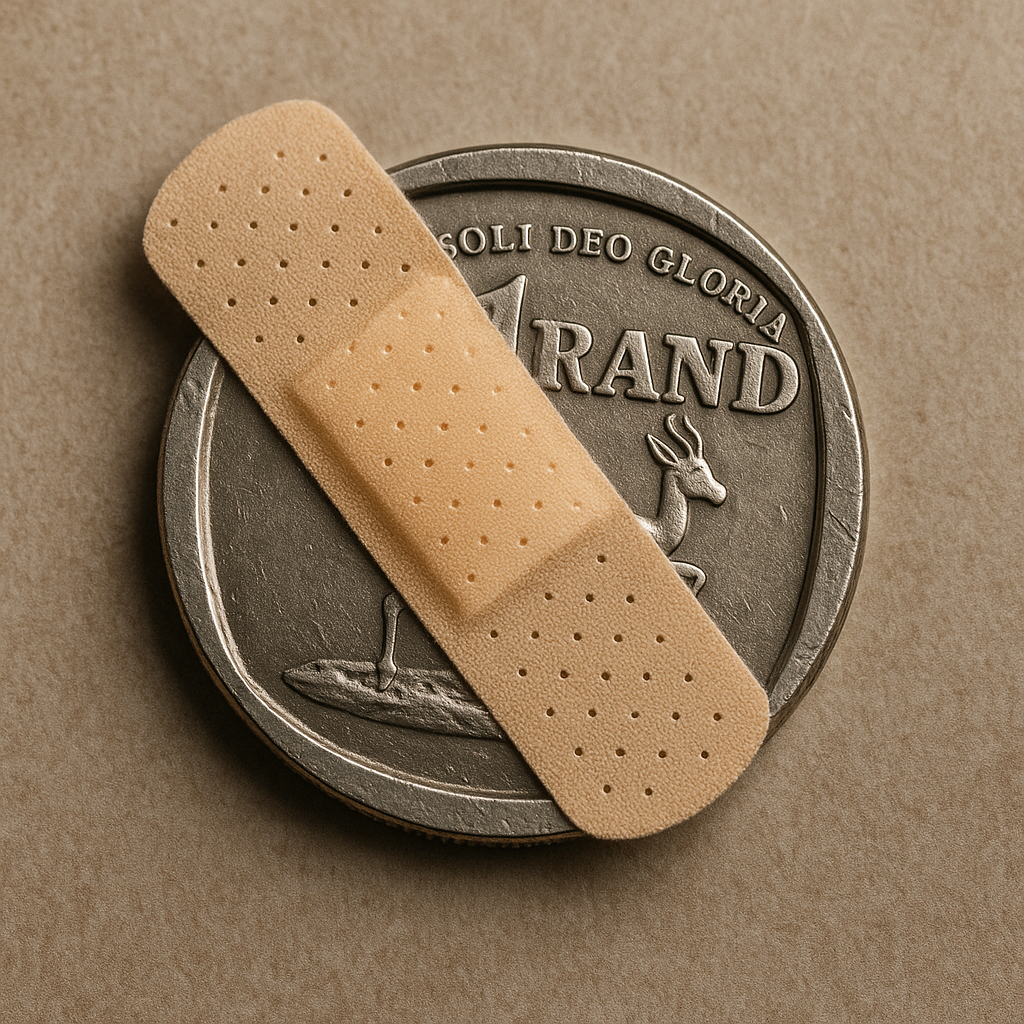
Expats flock to South Africa for affordable medical procedures like dental work, injectables, and surgery, leveraging currency arbitrage.
The Great Rand-Air Rejuvenation: A Reverse Safari for Your Body
Forget boring holidays, South African expats are turning medical trips into thrilling adventures! They're flying home for 'medi-hols' where they get awesome medical and beauty fixes for super cheap, thanks to currency magic. Imagine sparkling new teeth, smooth skin, or even a mini-facelift, all while chilling in familiar, beautiful South Africa. It's like a reverse safari, but instead of spotting leopards, you're getting a brand-new you, feeling fresh and fabulous before you even carve the Christmas turkey!
What is a "medi-hol"?
A "medi-hol" is a portmanteau for a medical holiday, a growing trend where individuals, particularly South African expats, travel to South Africa for medical and cosmetic procedures. This trend is driven by significant cost savings compared to Western countries, coupled with high-quality care and familiar surroundings, allowing patients to combine treatments with a vacation.
Get Cape Town news in your inbox
Stay updated with the latest stories from the Mother City.
The Six-Month Calendar Game
When the jacarandas start blooming in Joburg, expat WhatsApp groups light up with a single question: “Have you locked your December dates yet?” Six months out, South Africans in Sydney, Toronto or Dublin aren’t just pencilling in mom’s Christmas lunch and a cousin’s beach wedding. They’re reserving Monday 11 am slots for ceramic crowns, Thursday afternoons for Fraxel, and a sneaky Friday “traptox” that will melt trapezius knots before the first turkey slice is carved. Currency arbitrage is the gateway thrill: every pound or dollar converts into a 70% perpetual discount on the human body. But once the ticket is bought, the real discovery begins – the country they left still remembers their patient file number and greets them with the same accent and better tech.
Currency is only the opening act. A Londoner who pays £3,000 for a single dental implant suddenly sees the identical Swiss-threaded titanium peg advertised for the cost of a weekend glamping in Mpumalanga. She re-books the dentist who once yanked her wisdom teeth at nineteen, finds he now owns a cone-beam CT machine, and learns his assistant completed a fellowship in Seoul. Within days she is recruiting old varsity friends for a group “bro-tox” special, because the fourth forehead is free. The migration forums have coined the ritual “medi-hol”: a holiday that leaves you biologically newer than when you arrived.
What follows is a traveller’s field manual to the reverse medical safari – where to laser, lift or liposuction, how to dodge the cowboys, and why a boarding pass can double as a prescription.
Dentistry, Dermatology & Injectable Corridors – Quick Fixes Between Sunsets
-
Smiles by the Sauvignon*
British dental quotes are so brutal they qualify as horror fiction: £3,200 for one Straumann implant, six-month wait, parking meter spinning outside the clinic. In Pretoria the same boxed titanium root surfaces at R20,000 (about £850), and the dentist books Saturday slots so your aunt can fetch the kids while you nap off the sedation. Invisalign follows the pattern – London £5,000, Sandton R35,000 (≈£1,400) – with identical ClinCheck software rotating your future smile on the screen. South African graduates log the same global continuing-education hours, only they trade grey Thames drizzle for vineyards where post-op instructions are delivered over chilled chenin. -
Mole Maps & Mountain Views*
World-class melanoma surveillance is priced like a movie ticket. A full dermoscopic photo shoot costs R1,400 (£60) at a Cape hospital; you leave with a USB stuffed with forty ultra-high-resolution images. In London the identical service demands £250 and a six-week queue. Afterwards you can slide into a Fraxel chair the same afternoon: £900 a pass in Harley Street, R3,500 (≈£150) under Table Mountain. Recovery doubles as vacation – oversized sunglasses, iced coffee, skin flaking discreetly into the ocean breeze while seagulls provide the soundtrack. -
The Neurotoxin Highway*
Between the V&A Waterfront and Hyde Park Johannesburg stretches a 1,500-kilometre corridor housing roughly 120 aesthetic practices that inject more toxin per square kilometre than anywhere outside Gangnam. Bundles are the local sport: forehead plus frown plus crow’s-feet for R2,800 (≈£120) using hologram-verified Allergan vials. Clinics bordering OR Tambo offer “arrival concierge” – store your suitcase, numb your lips while you’re still immigration-sweaty, finish before your Uber hits the highway. Fillers follow the curve: 1 ml of Teosyal R3,200 against £350 in the UK, and if four friends book together the fourth syringe is gratis. Medical Tourism SA, a private accreditor born in 2019, performs random vial audits; any clinic caught swapping brands faces instant delisting, so cold-chain printouts are flaunted like sporting trophies.
Surgery You Can Hide, Babies You Can Freeze & Diagnostics in a Day
-
Compression Garments & Chenin Blanc*
Liposuction, ear-pinning, eyelid tweaks and mini-facelifts demand five days of elasticated camouflage – best endured where no one side-eyes an afternoon nap. South African surgeons endure an 18-year training gauntlet (MMed, college fellowship, European-style exit exam) yet charge roughly R100,000 (≈£4,000) for a full face-and-neck restoration that would cost £12,000 in the UK. Recovery villas in Franschhoek bundle private chef, lymph-drainage therapist, daily nurse visit and a case of chilled white for less than a London hospital overnight fee. By the time the compressions come off you’re tanned, well-rested and armed with fresh passport photos that look ten years younger. -
Needles in the Nest Egg*
Fertility data is brutal: British clinics make newcomers wait six months for counselling and STI hoops; a single cycle sets you back £7,000. In Johannesburg you can land on Monday, have baseline bloods on Tuesday, and be self-injecting Menopur by Friday. One full IVF/ICSI lap costs R60,000 (≈£2,500) and success rates match HFEA averages. Embryos travel home later in cryo-shippers once a notarised letter – half spy thriller, half love note – clears UK customs. Egg-freezing parties are marketed alongside vineyard bachelorettes, because biological deadlines apparently respond to Sauvignon. -
The One-Day Whole-Body Audit*
Time-starved London financiers now fly dawn-to-dusk diagnostic runs. Mediclinic Precise will push 2-mm brain, spine, cardiac CT and virtual colonoscopy slices to your phone before you’ve finished a lobby flat-white. Price tag: R16,500 (≈£700). A UK private hospital invoices £2,200 and scatters appointments across six tedious weeks. Add same-day bloods, dietitian consult, and a dermatologist once-over and you can still be back on the red-eye with a clean bill of health and duty-free biltong.
Red Flags, White Coats & the Ethics of Going Home
-
Clots, Cowboys & Cold-Chain Cops*
Ten days after surgery the risk of a long-haul pulmonary embolism sits between 0.4% and 1%. Local anaesthetists automatically hand out heparin syringes and knee-high compression hose, but they also sell Lloyd’s-underwritten travel policies that evacuate you to an NHS ICU if a clot strikes. Premium for a 40-year-old: R1,800 for 21 days. The certificate doubles as UK visa proof-of-funds, listing a £250,000 air-ambulance ceiling – paperwork that impresses border officers more than bank statements ever could. -
How to Spot the Rogue Player*
The national practitioner database is open 24/7: punch in a practice number and you’ll see every warning letter or malpractice suspension. Still, one-day cadaver workshops technically qualify a dentist to plunge needles into naso-labial folds. The savvy shortcut: insist on brand-name fillers, ask for batch numbers, and check whether the clinic belongs to AAMSSA – a society that demands thirty yearly continuing-education hours plus surprise vial audits. If the advert simply promises “dermal filler” with no manufacturer, you’re likely staring at Korean HA still queuing for SAHPRA approval. -
Pharmacy Tourism & the 30-Day Rule*
South African chemists sell schedule-2 and ‑3 medicines over the counter at NHS cost minus the £9.35 dispensing fee. Fifty doxy capsules? R145 (£6). Obagi 0.1% tretinoin? R440 (£18). Customs allows a 30-day personal supply into Britain; anything larger needs an export permit, so pharmacists casually split the purchase across aunties’ names before you can say “family pack.” The savings alone often pay for the flight. -
The Subsidy Question*
Every foreign Botox jab technically nudges a local off an overstretched medical-aid roster. Clinics aware of optics now earmark 10% of theatre time for state-hospital cases or run “pay-it-forward” days where exp receipts fund rural cleft-lip repairs. Government has yet to formalise the rebate, so the virtuous circle still relies on goodwill rather than statute – a loophole activists want sealed before medi-hol becomes a plank of national health policy. -
Printable Jaws & Botox-on-Demand*
Pretoria University’s biomedical hub already 3-D prints custom orbital mesh for facial trauma at one-third the European price; same-day jaw reconstruction is slated for 2026. Meanwhile a Sandton start-up is beta-testing an Uber-style app that dispatches nurses with chilled toxin kits to guesthouses – star-rating and geotracking included. UK telemedicine regulators are bracing for cross-border follow-up selfies that breach GMT-friendly consultation windows. Expect a tussle once British patients start demanding NHS continuity for a jab done in a Joburg garden cottage.
Until the lawyers catch up, the ritual remains deliciously simple: smell the jacarandas, hug your teary mother, slip into a clinic where the receptionist calls you “love” and swipes your foreign card. Two hours later you emerge cheeks swollen, forehead blissfully immobile, bank balance strangely intact – ready for the next reunion, this time with a decade returned, a straighter nose, and a full set of gleaming teeth, all before the Christmas turkey hits the table.
What is a "medi-hol"?
A "medi-hol" is a popular term for a medical holiday, a trend where individuals, especially South African expats, travel to South Africa for medical and cosmetic procedures. This concept allows them to combine high-quality healthcare with a vacation, often benefiting from significant cost savings due to favorable currency exchange rates compared to Western countries.
Why are South African expats choosing "medi-hols"?
South African expats are increasingly opting for "medi-hols" primarily due to the substantial cost savings offered by the favorable currency exchange rate, which effectively provides a significant discount on medical procedures. Beyond the financial benefits, they also appreciate the high standard of medical care, familiar cultural environment, and the ability to combine their treatments with a visit home to see family and enjoy a vacation.
What types of procedures are commonly sought during a "medi-hol"?
"Medi-hols" cover a wide range of procedures. Popular options include advanced dental work like implants and Invisalign, various dermatological treatments such as mole mapping and Fraxel laser, and aesthetic injectables like Botox and fillers. More involved procedures like liposuction, ear-pinning, eyelid tweaks, mini-facelifts, and even IVF treatments are also common, alongside comprehensive diagnostic health checks.
How significant are the cost savings for medical procedures in South Africa?
The cost savings can be very substantial. For example, a dental implant that might cost £3,000 in the UK could be around £850 in Pretoria. Invisalign, priced at £5,000 in London, could be approximately £1,400 in Sandton. Similarly, a full dermoscopic photo shoot might be £60 in Cape Town versus £250 in London. Even major surgeries like a full face-and-neck restoration can be significantly cheaper, costing about £4,000 in South Africa compared to £12,000 in the UK.
Are there any risks or red flags to be aware of when considering a "medi-hol"?
While generally safe, individuals should be aware of potential risks. These include the low but present risk of pulmonary embolism after surgery, particularly with long-haul flights. It's crucial to choose reputable practitioners; travelers should check the national practitioner database for any disciplinary actions, insist on brand-name products for injectables, and verify if clinics are members of accredited societies like AAMSSA, which ensures high standards and regular audits.
What additional benefits or conveniences do "medi-hols" offer?
Beyond medical treatments, "medi-hols" offer several conveniences. South African chemists provide schedule-2 and -3 medicines over the counter at significantly lower prices, with customs allowing up to a 30-day personal supply. Some clinics offer

Lerato Mokena is a Cape Town-based journalist who covers the city’s vibrant arts and culture scene with a focus on emerging voices from Khayelitsha to the Bo-Kaap. Born and raised at the foot of Table Mountain, she brings an insider’s eye to how creativity shapes—and is shaped by—South Africa’s complex social landscape. When she’s not chasing stories, Lerato can be found surfing Muizenberg’s gentle waves or debating politics over rooibos in her grandmother’s Gugulethu kitchen.
View all articles →