The National Sea Rescue Institute (NSRI) is a brave team that saves people in trouble along South Africa’s coast and wild places. When a father and son’s boat broke down at sea, the NSRI quickly arrived and brought them safely back to shore. At the same time, they helped a family in the forest whose teen got hurt, showing how teamwork and care stretch from ocean waves to rugged trails. These rescues remind us that the sea and nature can be beautiful but also dangerous, and being prepared is key. The NSRI’s work shines as a hopeful story of courage, community, and kindness along the wild coast.
What is the role of the NSRI in rescue operations along South Africa’s coast?
The National Sea Rescue Institute (NSRI) conducts swift, skilled rescues for maritime and wilderness emergencies along South Africa’s coast. They rely on teamwork, technology, and community support to save lives, emphasizing preparation, respect for nature, and selfless service in unpredictable environments.
Cape Town’s Timeless Dance with the Sea
At first light, the Atlantic winds sweep sharply across Granger Bay, carrying the unmistakable brine of the open ocean. Cape Town’s connection to these waters stretches back centuries, defined by the volatile embrace of beauty and danger. The city’s history with the sea finds expression in the works of nineteenth-century artists like Thomas Bowler, who immortalized scenes of ships navigating the turbulent Cape under foreboding skies. The ocean, with its moods shifting from serene to perilous, has always commanded both respect and wonder from those on shore.
On one recent Thursday, this ever-present duality came to life for a father and son pursuing adventure offshore. Their morning began like countless others, lulled by the calm of the bay and the familiar routines of boating. Yet, as seasoned mariners know, the ocean’s temperament can change swiftly. When the steering on their Rigid Hull Inflatable Boat (RHIB) failed, what had been a leisurely outing instantly turned into an ordeal. Their experience joined a long tradition of maritime mishaps—echoes of explorers, traders, and fishermen who have all, at one time or another, found themselves at the mercy of these unpredictable waters.
The sense of vulnerability in such moments is universal. As the pair anchored their disabled boat and awaited help, the horizon—normally a symbol of freedom—became a boundary marking uncertainty. Their predicament was more than just a technical failure; it was a vivid reminder that the sea, despite all our advances, still demands humility and preparedness from those who venture out on it.
The NSRI: Guardians of the Coast
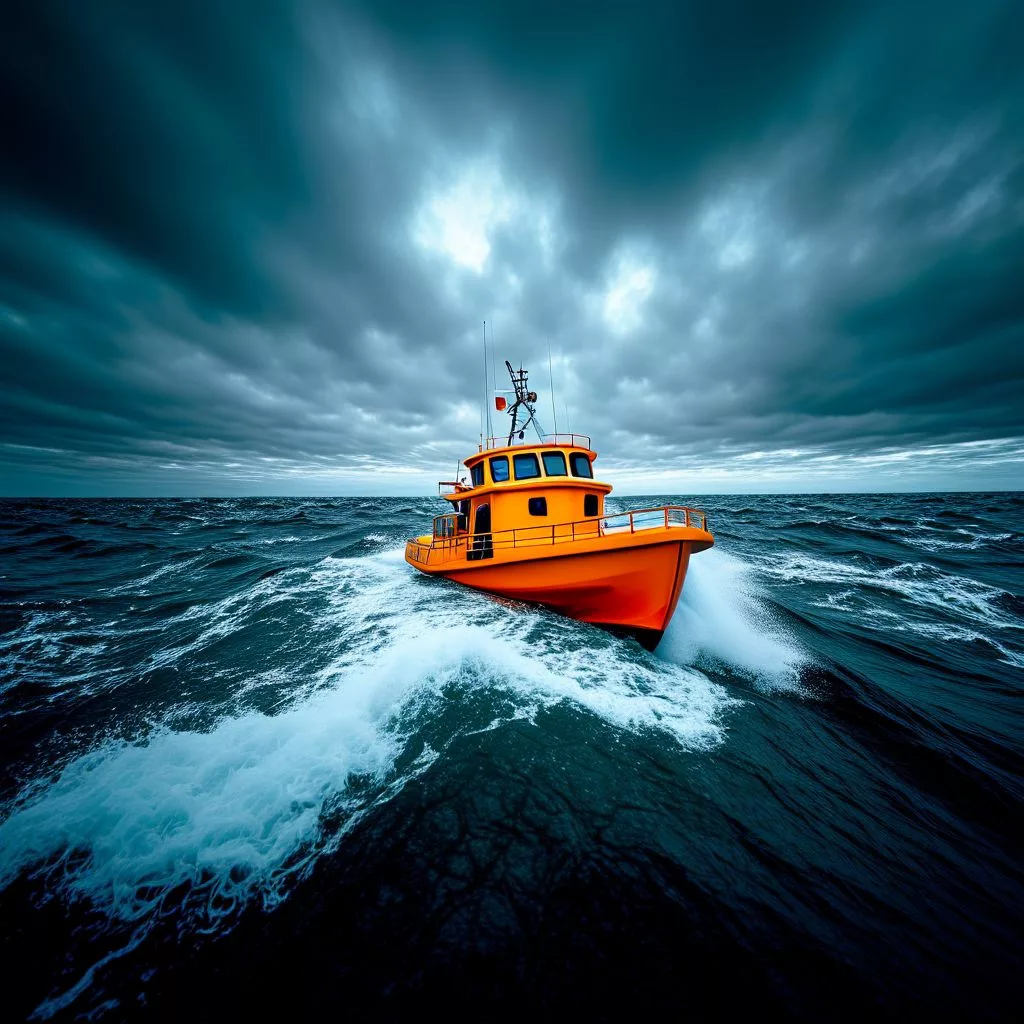
When word of the stranded vessel reached the National Sea Rescue Institute (NSRI) at Table Bay, the response was immediate and methodical. Ewald Bonzet, the duty coxswain, led his team with practiced urgency. Their rescue craft, Spirit of Day, moved swiftly across the swells, its presence a beacon of hope for those in distress. The boat’s very name, “Spirit of Day,” encapsulates the optimism and determination that fuel every rescue mission.
Upon reaching the RHIB, the NSRI crew found the father and son anchored and physically unharmed, though visibly rattled by the ordeal. The operation then unfolded with steady precision: a towline was secured, clear instructions exchanged, and the journey back to shore began. Bonzet’s account of the rescue emphasized not only the technical aspects but also the emotional relief evident on the faces of those rescued. At sea, even the most routine rescue requires a blend of calm expertise and a deep awareness of the thin margin that separates safety from disaster.
The NSRI’s work in this scenario was more than just a retrieval—it was an act of solidarity. Every callout echoes the stories of countless others who have faced the ocean’s indifference and relied on the kindness and skill of strangers. The organization’s ethos, rooted in community and care, transforms each successful rescue into a testament to human resilience.
Preparation plays a crucial role in minimizing such emergencies. Enthusiasm for the open water can sometimes overshadow practical precautions, leading even experienced sailors to overlook checks and maintenance. The episode at Granger Bay serves as a sobering lesson: the apparent tranquility of a sunny day can mask hidden risks, and the best safeguard against misfortune is diligent preparation and respect for the sea’s power.
A Family’s Ordeal in Nature’s Valley
While the NSRI crews in Cape Town wrapped up their mission, the organization’s reach extended to another unfolding drama along the southern coastline. The Salt River Trail at Nature’s Valley, renowned for its winding paths and breathtaking views, attracts countless hikers each year. The trail’s wild beauty, shaped by centuries of wind and water, invites both admiration and caution. On the same Thursday, a family exploring the area found their outing abruptly changed when a teenager slipped and sustained injuries.
For the injured teen’s mother, the urgency of the moment demanded quick thinking. She pressed onward through dense forest until she found a spot with enough cell phone signal to call for help—a modern parallel to ancient methods of summoning aid. Her persistence paid off, as the NSRI [Plettenberg Bay](https://capetown.today/the-plettenberg-your-destination-for-memorable-festive-celebrations/) team swiftly mobilized their rescue boats, Eric Stratford and Courtenay Rescuer. These vessels, named in honor of local heroes, reflect a longstanding maritime tradition of commemorating those who have contributed to the safety and well-being of their communities.
Station commander Jaco Kruger recounted the rescue, highlighting the teamwork that brought together NSRI medics, coastwatchers, and local emergency services. The river’s challenging terrain meant the rescue could only happen by water, underscoring the necessity of both skill and specialized equipment. The team stabilized the teenager, and then the family—mother and son together in the rescue craft, father hurrying by car—made their way downstream and on to the hospital. The close-knit drama of the rescue, with its blend of anxiety and relief, brought into sharp focus the emotional stakes that accompany any emergency involving loved ones.
Community, Tradition, and the Power of Preparedness
Behind these stories lies the broader mission and legacy of the NSRI. Established in 1967 to address the demands of South Africa’s expanding maritime activity, the Institute has grown into a cornerstone of coastal safety. Volunteers, many with deep personal or familial ties to the sea, form the backbone of the organization. Their commitment recalls the traditions of lifeboat services worldwide, such as Britain’s RNLI, where community members routinely risk their own safety to aid others. This ethos of selfless assistance has inspired works of art and literature, capturing the courage and compassion of those who respond when disaster strikes.
The role of technology has transformed the landscape of rescue. Cell phones, GPS, and dedicated emergency channels have made it easier to summon help and coordinate complex operations. Yet, at its heart, every rescue still depends on the same elements: quick decisions, teamwork, and a willingness to act in the face of uncertainty. Modern rescue teams blend nautical skill with medical expertise, as seen in the Nature’s Valley operation where NSRI medics and doctors worked side by side.
The natural environments where these rescues occur—whether the sweeping Atlantic coast or the rugged trails of the Garden Route National Park—demand respect. Their allure is matched by inherent risks: unpredictable weather, treacherous terrain, and the ever-present possibility of mishap. Local guides and officials regularly remind visitors that preparation and vigilance are the keys to enjoying these spaces safely.
In both the maritime and wilderness rescues, community support played a decisive role. Coastwatchers, ambulance crews, and ordinary citizens formed a spontaneous yet effective network of care. In an age often defined by digital connections, these moments of real-world cooperation underscore the enduring power of community and mutual responsibility.
The Lasting Impact of Rescue
For the families involved, the events of that Thursday will resonate for years—stories told and retold, reminders of how quickly life can change and how vital timely help can be. For the NSRI volunteers, each mission builds on a legacy of service, grounded in values that have defined coastal communities for generations. At the intersection of human ingenuity, technological progress, and the raw forces of nature, the spirit of solidarity endures.
These incidents offer more than compelling stories; they illustrate the balance between adventure and caution, the necessity of preparation, and the profound connections forged in moments of crisis. Whether on open water or in remote wilderness, the call for help finds an answer in the dedication of those who choose to serve. Through their actions, the NSRI and their partners reinforce the threads of compassion and responsibility that hold communities together along South Africa’s storied coast.
What is the National Sea Rescue Institute (NSRI) and what do they do?
The National Sea Rescue Institute (NSRI) is a volunteer organization dedicated to saving lives along South Africa’s coastline and in wilderness areas. They respond to emergencies involving boats, swimmers, hikers, and others in distress, providing swift and skilled rescue operations. The NSRI combines teamwork, advanced technology, medical expertise, and community support to perform these lifesaving missions. Their work emphasizes preparation, respect for nature, and selfless service in unpredictable environments.
How does the NSRI conduct rescues along South Africa’s coast?
NSRI rescue teams use specialized rescue boats, such as the Spirit of Day, and equipment to reach people in trouble at sea or in remote wilderness areas. Teams often include trained medics and work closely with local emergency services, coastwatchers, and volunteers. For example, when a father and son experienced a steering failure on their boat near Cape Town, the NSRI quickly launched a rescue mission to tow them safely back to shore. Their operations require calm expertise, clear communication, and a deep understanding of the ocean’s risks.
What role does preparation play in preventing emergencies on the water and trails?
Preparation is crucial to safety when venturing into the sea or wilderness. The NSRI stresses the importance of regular equipment checks, proper maintenance, and being ready for sudden changes in weather or terrain. Even experienced sailors and hikers can face danger if they overlook these precautions. For instance, the father and son’s ordeal began with a failure of their boat’s steering system—something that could potentially be mitigated by thorough pre-trip checks. Likewise, hikers are advised to carry reliable communication devices and inform others of their plans.
How does the NSRI handle rescues in difficult terrain like Nature’s Valley?
In areas like Nature’s Valley, with rugged trails and dense forest, rescues often require specialized approaches. When a teenager was injured on the Salt River Trail, the NSRI Plettenberg Bay team launched rescue boats to reach the family by water, as overland access was challenging. This operation involved teamwork between NSRI medics, coastwatchers, and local emergency personnel. The injured teen was stabilized on site and transported safely downstream for medical attention. Such rescues highlight the NSRI’s versatility and cooperation with other agencies in diverse environments.
What is the significance of community and volunteer support to the NSRI’s mission?
Community involvement and volunteerism are the backbone of the NSRI. Founded in 1967, the organization relies heavily on volunteers who often have deep ties to the coast and sea culture. These volunteers risk their own safety out of a sense of duty and compassion—mirroring lifeboat traditions seen worldwide. Moreover, local coastwatchers, ambulance crews, and ordinary citizens often provide crucial assistance during emergencies, creating a spontaneous network of care that enhances rescue effectiveness. This spirit of mutual responsibility strengthens coastal communities.
How has technology influenced modern rescue operations by the NSRI?
Technology has greatly enhanced the NSRI’s ability to respond quickly and coordinate complex rescues. Tools such as GPS, cell phones, and dedicated emergency communication channels allow precise location tracking and faster deployment of rescue assets. Despite these advances, the core of every rescue remains dependent on human skill, quick decision-making, and teamwork. In wilderness rescues, technology aids in communication, but the physical demands of rugged terrain still require experienced personnel and specialized craft, reflecting a balance between innovation and traditional rescue expertise.