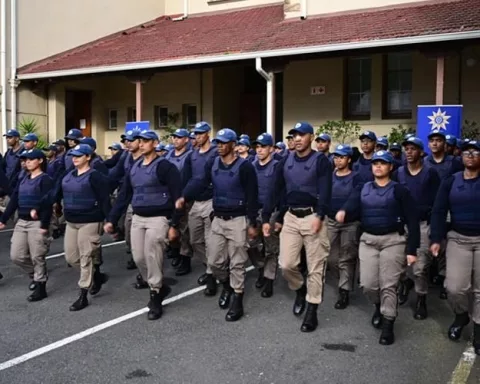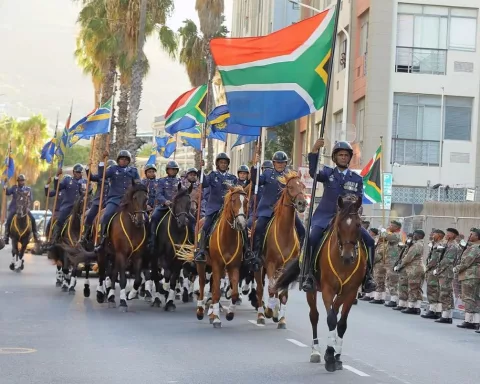

Operation Basadi is a women-led police project in Kraaifontein that blends law enforcement with care and support for the community. On a busy day, officers and volunteers searched hundreds of bags and vehicles, caught criminals, and shared safety tips with residents. Beyond enforcing laws, they helped people facing violence and built strong trust with the neighborhood. This operation shows how teamwork and kindness can make neighborhoods safer and bring people closer together. It’s a bright new way of policing where women lead with both strength and heart.
What is Operation Basadi and how does it impact community policing in Kraaifontein?
Operation Basadi is a women-led community policing initiative in Kraaifontein that combines law enforcement with social outreach. It involves vehicle and bag searches, arrests, safety education, and support for victims of violence, fostering trust, safety, and cooperation between police and residents.
A New Dawn for Community Policing
On the morning of August 1, 2025, something extraordinary unfolded at the Kraaifontein police station, nestled in Cape Town’s northern suburbs. A quiet buzz of expectation filled the air as a unique event prepared to take shape. Operation Basadi – an initiative spearheaded by women in law enforcement – stood poised to make its mark not just as a police operation, but as a community milestone. The project signified a turning point, inviting both law enforcement personnel and residents to unite under a shared vision: neighborhoods where safety and collaboration set the tone.
Brigadier Zukiswa Matumbu, a leader known for her firm yet unobtrusive presence, commanded the ceremonial opening parade. She called upon the Spiritual Crime Prevention team to open proceedings with a prayer, seamlessly blending protocol with a moment of reflection. This act resonated with South Africa’s tradition of merging official duties with spiritual awareness, creating a setting that felt both authoritative and communal.
As participants gathered under the brisk morning sky, Brigadier Matumbu outlined the operation’s purpose. Her words echoed the spirit of past South African movements, where communities banded together with resolve to address societal challenges. Operation Basadi drew deeply from this well of collective effort and mutual trust, laying the foundation for a day that would emphasize both unity and vigilance.
On the Frontlines: Searches, Seizures, and Collaboration
The operation’s first stage brought this spirit of unity to the fore. Police officers worked side by side with ten Community in Blue volunteers – a civil initiative that integrates residents into the fight against crime. Their initial destination: a high school set along Old Paarl Road in Bloekombos. As the sun rose, students streamed through the gates, unwittingly becoming part of a larger story about safeguarding the future.
Law enforcement conducted thorough inspections, examining 887 student bags and 21 vehicles. This considerable logistical undertaking demanded not only speed and precision, but also a gentle touch, as teenagers balanced curiosity with unease. During these checks, officers arrested a 45-year-old woman on suspicion of drunk driving, highlighting how criminal activity can emerge in unexpected places. In one vehicle, search teams discovered a hidden Norinco 7.62mm firearm and eight rounds of ammunition, cleverly stashed inside a spare wheel compartment of a silver Kia Sportage.
These incidents underscore a core reality of policing today: criminal activity often hides behind everyday routines, not just in secluded locations or after dark. The discovery of a weapon at a school checkpoint starkly illustrated the fine line between innocence and threat, reminding all present that danger can coexist with daily life in subtle ways.
Meanwhile, other teams established a vehicle checkpoint adjacent to the school. Officers processed 47 vehicles efficiently, ensuring safety without causing significant delays. On Frans Conradie Boulevard, the scale of the operation expanded – police, in partnership with other agencies, checked 1,300 vehicles for compliance and conducted 222 in-depth searches. The team issued fines totaling R22,500 for a range of infractions, including unlicensed drivers and vehicles operating without proper registration.
This systematic approach reflects a broader trend in law enforcement: regular checkpoints and visible policing serve not just to enforce laws, but to deter would-be offenders. Fines, citations, and a strong police presence reinforce the idea that maintaining order requires constant, deliberate effort.
Reaching Deeper: Community Support and Strategic Enforcement
Operation Basadi’s influence didn’t stop at traditional enforcement. Officers set up a mini Community Service Centre at the Block Centre Shoprite, transforming policing into a more approachable, supportive service. Here, they distributed 1,750 safety pamphlets, assisted residents with certifications and official statements, and provided resources relating to domestic and gender-based violence. Police served 11 protection orders for domestic violence cases, demonstrating their commitment to addressing some of society’s most urgent problems.
This outreach highlights the operation’s dual approach: combining enforcement with genuine social support. Modern criminology emphasizes that true crime prevention relies not only on authority, but also on building trust and cooperation with the community. By assisting citizens, listening to their concerns, and making resources available, police foster goodwill that extends well beyond the scope of a single day.
Compliance checks at scrap metal dealers added another layer to the operation. Working closely with the Metal Unit, special teams visited four sites to examine their records and stock. At an unregistered dealer on Klipbok Street, police arrested a 25-year-old man for possessing stolen property and failing to comply with the Second-Hand Goods Act. While this violation may seem minor, it points to a larger challenge. In many disadvantaged communities, informal businesses sometimes serve as lifelines, but they can also create avenues for unlawful activity. This tension between regulation and economic necessity frequently emerges in studies of South Africa’s evolving urban landscape.
Shaping the Future: Leadership, Trust, and Lasting Impact
Perhaps the most symbolic moment of the day came during a walkabout in Wallacedene, a township known for both its challenges and resilience. Here, officers apprehended a 33-year-old taxi driver found with a vehicle stolen in a Midrand fraud case. In areas like Wallacedene, informal taxi networks are integral to daily life and local economies. Policing these networks often involves navigating the complexities of crime, necessity, and community impact, since the loss of a vehicle can deeply affect not just individuals, but entire families.
Throughout all these activities, women took the lead – demonstrating both strength and empathy in equal measure. The female leadership of Operation Basadi stood out, quietly challenging the male-dominated traditions of policing and reflecting recent progress toward gender equity in South Africa’s public institutions. Officers such as Brigadier Matumbu not only enforced laws, but also redefined the way policing connects with citizens, blending firmness with understanding and bridging gaps between people and the state.
Brigadier Matumbu closed the day with a call for ongoing cooperation between SAPS and the communities they serve. Her words echoed the participatory ideals that have guided South Africa since its transition to democracy, where citizenship relies on both rights and responsibilities. She invoked the philosophy of Ubuntu – emphasizing that individual well-being depends on the wellbeing of the community as a whole: “I am because we are.”
Operation Basadi, with its careful balance of enforcement and social outreach, its engagement with youth, drivers, local businesses, and survivors of violence, sets a standard for what community policing can achieve. The operation called to mind the early days of progressive social change, showing that security and justice require more than legal structures – they demand active, persistent engagement built on trust and shared purpose.
From the morning’s opening prayer to the final patrol through Wallacedene’s streets, Operation Basadi offered a powerful example of a community standing united against crime. For policymakers, researchers, and citizens alike, it provides a template for future initiatives: collaborative, inclusive, and unafraid to combine the ordinary with the remarkable. As the day drew to a close and the sun dipped behind Kraaifontein, the work continued – steady, determined, and anchored in the belief that every street can become a place of safety and hope.
What is Operation Basadi and what makes it unique?
Operation Basadi is a women-led police initiative in Kraaifontein that merges law enforcement with community care and support. Unlike traditional policing, it emphasizes teamwork, kindness, and trust-building alongside crime prevention. Led by female officers, the operation balances firmness with empathy, aiming to create safer neighborhoods through collaboration between police, volunteers, and residents.
How does Operation Basadi engage with the community during its operations?
During operations, police officers work closely with Community in Blue volunteers and local residents. They conduct searches of vehicles and bags, particularly at sensitive locations like schools, while providing safety education and distributing informational pamphlets. The operation also sets up mini community service centers where residents can access support related to domestic violence, protection orders, and other concerns, turning policing into a more approachable, supportive service.
What types of crimes and issues does Operation Basadi address?
Operation Basadi tackles a range of issues including vehicle-related offenses (such as unlicensed driving and unregistered vehicles), possession of illegal firearms and ammunition, domestic and gender-based violence, and the regulation of scrap metal dealers to prevent trafficking in stolen goods. The operation also targets theft and fraud within informal transport networks, reflecting its comprehensive approach to law enforcement and community safety.
Why is women’s leadership important in Operation Basadi?
Women’s leadership is central to Operation Basadi’s success. Female officers like Brigadier Zukiswa Matumbu bring a distinctive balance of strength and empathy to policing. This challenges the traditionally male-dominated law enforcement culture and promotes gender equity. By leading with both heart and authority, women in Operation Basadi foster trust, understanding, and cooperative relationships between the police and the community.
How does Operation Basadi contribute to long-term crime prevention?
Beyond immediate enforcement, Operation Basadi strengthens long-term safety by building community trust and cooperation. Through outreach efforts, support services, and visible policing like checkpoints and compliance inspections, it discourages criminal behavior and encourages residents to participate actively in safety initiatives. The operation embodies the philosophy of Ubuntu – recognizing that community wellbeing depends on collective responsibility and mutual care.
What lessons can other communities learn from Operation Basadi?
Operation Basadi offers a model for inclusive, collaborative policing that integrates social support with law enforcement. Other communities can learn the value of female leadership, community involvement, and balancing authority with empathy. The initiative shows that sustainable security requires ongoing engagement, transparency, and respect for residents’ rights and needs – building neighborhoods that are safe, connected, and hopeful for the future.