The Garden Route District faces big challenges like poor project delivery, not enough money, and weak infrastructure, all leftover from apartheid times. The goal is to build fair, mixed communities with better homes and services, using important grants and a smart plan called the Integrated Human Settlements Strategic Plan. Officials recently visited neighborhoods, seeing both progress and struggles, where people still live in makeshift shelters waiting for proper houses. The journey is tough, but with strong oversight, teamwork, and listening to communities, there’s hope to create safe, vibrant places for everyone to live with dignity.
What are the key challenges and goals in transforming human settlements in the Garden Route District Municipality?
The Garden Route faces challenges like weak project execution, funding shortfalls, and infrastructure deficits. Goals include undoing apartheid legacies, improving formal and informal housing through grants like HSDG and ISUPG, and implementing the Integrated Human Settlements Strategic Plan for sustainable, inclusive communities.
Unveiling the Landscape: History, Vision, and Accountability
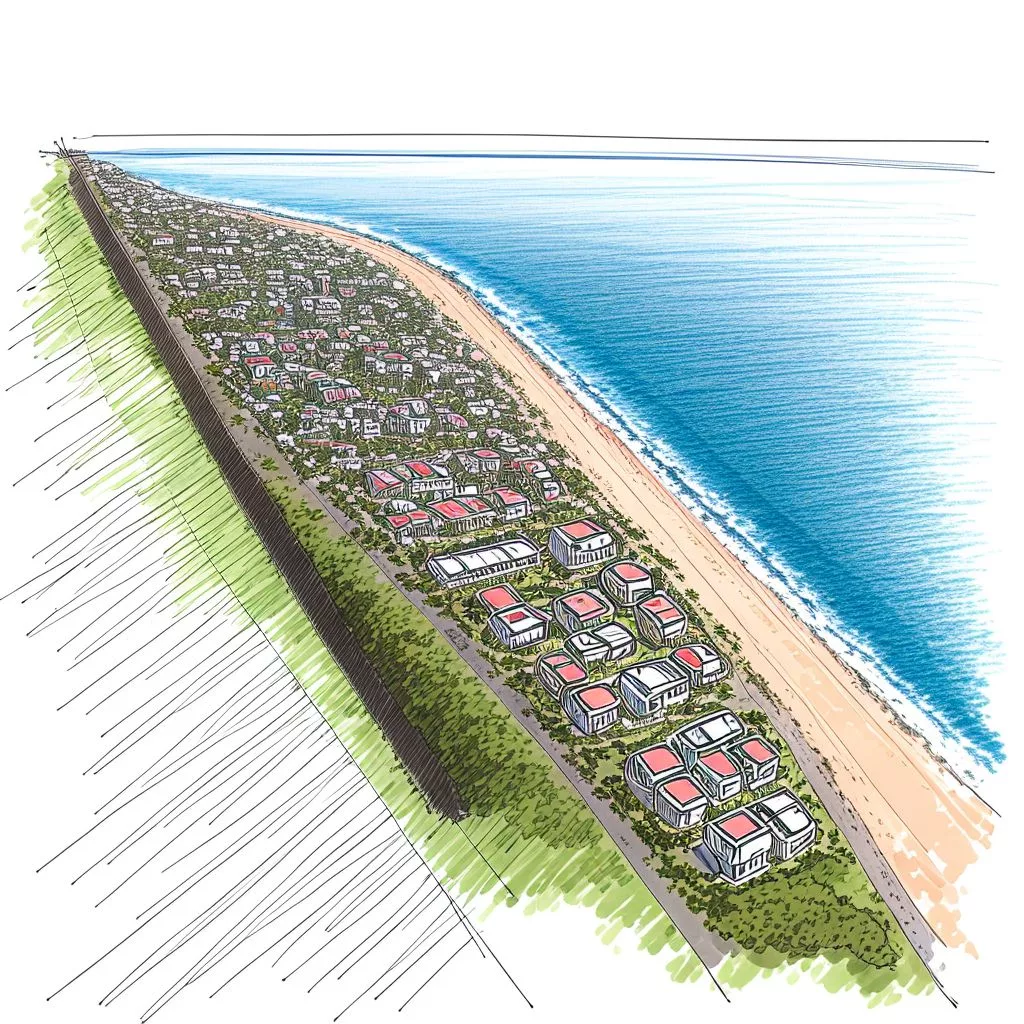
The Garden Route, stretching along South Africa’s southern coastline, boasts a stunning tapestry of forests, mountains, and sparkling shorelines. However, beneath this picturesque surface, communities confront a far more complicated reality. The story of housing and human settlements in this region reflects both the country’s troubled past and its ongoing quest for equality and dignity.
On a crisp morning in July 2025, the Portfolio Committee on Human Settlements arrived in Knysna to begin an oversight visit, intent on assessing the effectiveness of local housing initiatives. Their presence signaled more than a routine check-up; it marked a pivotal moment in the ongoing struggle to overcome the spatial and social legacies of apartheid. South Africa’s approach to human settlements, shaped by decades of exclusionary policies, continues to evolve as leaders and citizens work to bridge historical divides.
For many municipalities, including those in the Garden Route, the task at hand is nothing less than transformative. Authorities aim to undo the damage of the Group Areas Act and similar policies that isolated black, coloured, and Indian communities from economic opportunities. Although the legal framework has changed, the need for integrated, accessible, and sustainable human settlements remains as pressing as ever. The committee’s visit thus took on added significance, serving as both a progress report and a call to action.
Funding, Implementation, and Systemic Hurdles
At the heart of the committee’s mission lay two central financial mechanisms: the Human Settlements Development Grant (HSDG) and the Informal Settlements Upgrading Partnership Grant (ISUPG). These grants represent the government’s dual strategy—expanding formal housing stock while also improving living conditions in the informal settlements that have proliferated due to persistent urban migration.
Officials from the provincial department and municipalities of Knysna, George, and Mossel Bay gathered to present their housing strategies and progress updates. Their accounts painted a landscape marked by both ambition and adversity. On paper, plans for new construction and infrastructure upgrades gleamed with promise. However, these aspirations often collided with the hard realities of missed deadlines, incomplete projects, and budgetary setbacks.
One of the most significant issues raised concerned the allocation and spending of funds. The Garden Route District Municipality received nearly R300 million for housing in the 2024/25 fiscal year. Despite this, weak project execution at the municipal level led to a substantial portion of those funds being redirected to other provinces. Dr. Nana Mhlongo, Deputy Director-General for Human Settlements, underscored the need for rigorous oversight, revealing that R100 million set aside for the HSDG never reached the intended initiatives. This shortfall reflected not only challenges in implementation but also deeper structural weaknesses, such as insufficient municipal capacity and cumbersome administrative processes.
Committee Chairperson Mr. Mammoga Seabi emphasized the committee’s constitutional responsibility to hold government departments accountable for service delivery. He called for urgent improvements in institutional capabilities at the local level, highlighting the need for stronger management, better planning tools, and more effective coordination between local, provincial, and national authorities. Without such reforms, the promise of decent housing and dignified living conditions would remain unfulfilled.
Encountering Reality: Site Visits and Community Struggles
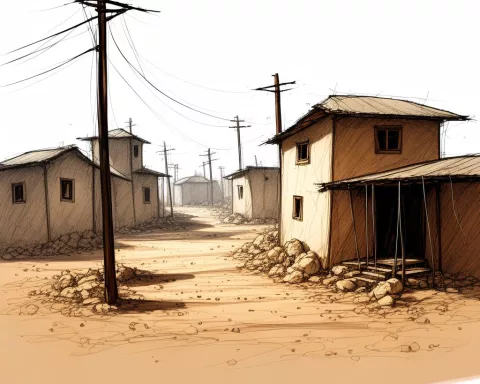
The committee’s work extended beyond conference rooms and PowerPoint presentations. Their oversight journey took them to the so-called Bungalos, a temporary relocation site in Knysna where residents awaited the completion of permanent homes. Here, the gap between policy and practice became painfully apparent. Committee members found makeshift structures marked by decay—walls needing repair, roofs that failed to keep out rain, and a persistent sense of transience.
Residents voiced their frustrations directly, describing how bureaucratic inefficiency and insufficient funding kept them in limbo. The committee responded by insisting that all levels of government revisit this project urgently and deliver a comprehensive plan within a month. Their intervention highlighted a critical truth: effective oversight depends on sustained engagement, not just periodic inspections.
Challenges identified in Knysna echoed throughout the district. Municipalities struggled with unreliable infrastructure, slow permitting processes, and poor communication among stakeholders. These problems stemmed in part from historical neglect, as apartheid-era policies deliberately underfunded certain communities. Even today, such disparities continue to shape the prospects for sustainable development.
The committee’s subsequent visits to Mossel Bay and George provided further insights. In Mossel Bay, projects like Sinethemba (meaning “hope” in isiXhosa), Breaking New Ground, Mountain View First Home Finance, and the Izinyoka informal settlements showcased both achievements and persistent hardship. New homes rose in some areas, symbolizing progress, while informal settlements nearby reminded everyone how much work remained. Residents in these areas relied on communal taps and improvised sanitation, patching together lives with resilience but little outside support.
In George, the delegation toured Moeggehuur, Syferfornein, Rosedale informal settlement, and the site of a collapsed building. The ruined structure stood as a grim warning of what happens when regulations lapse and construction standards are ignored—an issue not confined to the Garden Route, but seen across South Africa as towns and cities expand rapidly.
Integrated Planning: Ambitions, Innovations, and Ongoing Barriers
Amid these site visits and community dialogues, the role of the Integrated Human Settlements Strategic Plan (IHSSP) came into sharp relief. Unlike earlier approaches that focused solely on building houses, the IHSSP seeks to create mixed-use communities where housing, social amenities, and economic opportunities intertwine. This vision aligns with global trends in urban planning and the post-apartheid Reconstruction and Development Programme, reflecting the belief that cities should enable opportunity and social cohesion.
Despite its far-reaching vision, the IHSSP faces implementation challenges. Municipalities often lack the specialized skills, administrative bandwidth, and political leverage necessary to drive complex, cross-sectoral initiatives. Effective integration requires not only technical expertise but also a willingness to collaborate across institutional boundaries—a capacity that remains underdeveloped in many local governments.
Committee discussions repeatedly returned to this point. Members urged municipalities to synchronize their housing strategies with broader provincial and national frameworks, promoting greater alignment and efficiency. At the same time, they recognized that real progress would depend on building capacity at the ground level, where dedicated professionals translate ambitious plans into tangible results.
Looking Ahead: Community, Justice, and Democratic Oversight
The oversight visit ended not with a sense of closure, but with a deepened awareness of the journey ahead. For families living in temporary shelters or newly-built homes, the issue of human settlements is more than a policy debate—it is a daily struggle for dignity, security, and opportunity. Children played in dusty lanes, elders shared stories under acacia trees, and the rhythms of community life continued in the face of uncertainty.
The committee’s presence served as both a reminder and a promise: democracy depends on relentless oversight and ongoing dialogue between leaders and citizens. By walking through these neighborhoods, listening to grievances, and demanding accountability, the committee reaffirmed its commitment to justice and equity.
The story of the Garden Route reflects broader trends throughout South Africa. Municipalities everywhere grapple with inherited deficits, limited resources, and the challenge of creating inclusive cities. Oversight, when exercised rigorously and empathetically, provides a crucial check on the system—a means of ensuring that the aspirations of democracy take root in concrete, everyday realities.
In the months ahead, the Garden Route District Municipality and its partners face both formidable challenges and unique opportunities. By learning from past missteps, investing in local capacity, and centering the voices of residents, they can move closer to the dream of integrated, sustainable, and just human settlements. The journey continues, animated by oversight, aspiration, and the shared hope for a better future.
FAQ: Transforming Human Settlements in the Garden Route District Municipality
1. What are the main challenges facing human settlements in the Garden Route District?
The Garden Route District faces significant challenges including poor project delivery, insufficient funding, and weak infrastructure, much of which stems from apartheid-era neglect and spatial segregation. Additional issues include bureaucratic inefficiencies, slow permitting processes, and limited municipal capacity to manage complex housing initiatives effectively.
2. What goals does the Garden Route District Municipality aim to achieve in transforming human settlements?
The municipality’s goals are to undo apartheid spatial legacies by creating integrated, fair, and mixed communities with better housing, infrastructure, and services. This involves upgrading informal settlements, expanding formal housing supply through government grants, and implementing the Integrated Human Settlements Strategic Plan (IHSSP) that promotes sustainable, inclusive, and vibrant communities where residents live with dignity.
3. How is the Garden Route funded to support housing and infrastructure projects?
Key funding comes through two main government grants: the Human Settlements Development Grant (HSDG) and the Informal Settlements Upgrading Partnership Grant (ISUPG). For the 2024/25 fiscal year, the district was allocated nearly R300 million for housing projects. However, inefficiencies in project execution have led to under-spending and redirection of funds to other provinces, highlighting the need for more rigorous oversight and improved municipal capacity.
4. What role does the Integrated Human Settlements Strategic Plan (IHSSP) play in this transformation?
The IHSSP guides the municipality’s vision beyond just building houses. It promotes the development of mixed-use, integrated communities that combine housing with social amenities, economic opportunities, and sustainable infrastructure. The plan aligns with national development goals to foster social cohesion and economic inclusion but faces challenges in implementation due to limited skills, institutional capacity, and coordination among different government levels.
5. What insights did the recent oversight visits by the Portfolio Committee reveal?
Site visits to locations like Knysna, Mossel Bay, and George revealed a stark contrast between policy ambitions and on-the-ground realities. Many residents still live in makeshift shelters or informal settlements with inadequate services such as water and sanitation. Delays, unfinished projects, and infrastructure decay were common. The visits underscored the urgent need for stronger accountability, better planning, and community engagement to ensure that funds and projects translate into improved living conditions.
6. How is democratic oversight contributing to progress in human settlements?
Democratic oversight, led by committees such as the Portfolio Committee on Human Settlements, plays a vital role in holding government accountable for service delivery. By conducting regular inspections, engaging with communities, and demanding transparent reporting, oversight bodies ensure that housing policies and funds are not merely theoretical but lead to tangible improvements. This ongoing dialogue fosters justice, equity, and a shared commitment to building dignified homes for all residents.
For more information on housing programs and community engagement in the Garden Route, visit your local municipal offices or the Department of Human Settlements website.