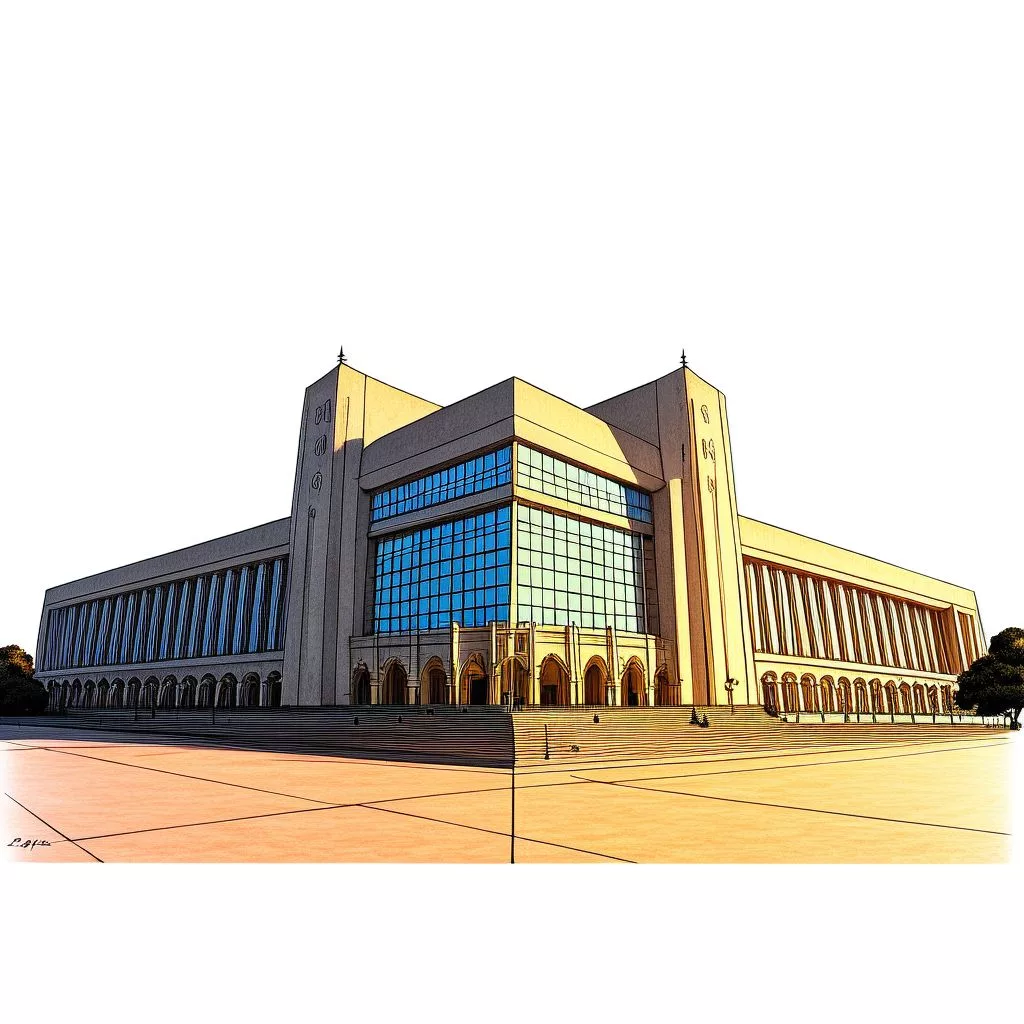
South Africa’s Parliament in 2025 is busy making big decisions about the country’s money and the future of Eskom, the state power company. They are voting on the national budget through the Appropriation Bill and changing rules to help Eskom manage its debt better, now with stricter conditions. Parliament is also using new technology to let more people watch and join the talks live online. These actions show how Parliament is working hard to keep South Africa’s services running and its democracy open and strong.
What are the key issues South Africa’s Parliament is addressing in its 2025 session?
South Africa’s Parliament is focused on passing the Appropriation Bill to allocate the national budget and the Eskom Debt Relief Amendment Bill to reform Eskom’s financial support. It also embraces hybrid technology for transparency and strengthens oversight amid the country’s G20 presidency.
The Pulse of Parliament: Setting the Stage for High-Stakes Decisions
As July 2025 draws to a close, South Africa’s National Council of Provinces (NCOP) prepares to tackle some of its most pressing and consequential business. On July 30, the chamber will convene in a hybrid format – melding tradition with innovation as members gather both in person and online. This arrangement not only reflects recent advances in technology but also symbolizes the continued adaptation of South Africa’s democracy in a rapidly changing world.
With the public and media tuning in through livestreams and social platforms, anticipation builds for what’s at stake. Two critical pieces of legislation – the Appropriation Bill and the Eskom Debt Relief Amendment Bill – sit at the center of the day’s agenda. Far more than routine annual procedures, these bills represent the backbone of South Africa’s economic management and government accountability.
Parliamentarians, officials, and citizens alike recognize that these debates carry significant weight. The outcomes will directly influence service delivery, fiscal discipline, and the very fabric of national life for the coming year. The process transforms Parliament from a distant institution into the beating heart of the country’s political and financial future.
The Appropriation Bill: Steering the Nation’s Resources
At the core of Parliament’s responsibilities lies the Appropriation Bill, the legislative instrument that determines how government allocates financial resources to departments, provinces, and local governments for the next fiscal cycle. Through this bill, lawmakers decide not just on numbers, but on the priorities that will shape millions of lives – from classrooms and hospitals to public works and social support.
This annual budgeting exercise has deep historical roots. The tradition of legislative control over public spending, inherited from the British system, reinforces the principle that Parliament alone holds the authority to direct the nation’s finances. In South Africa, this power ensures that national objectives – whether they focus on healthcare, education, or infrastructure – find concrete expression in the budget.
The Appropriation Bill also highlights South Africa’s federal structure. Each province, with its unique challenges and opportunities, advocates for resources that reflect its citizens’ needs. The NCOP plays a pivotal role in these negotiations, ensuring that all regions – from urban Gauteng to rural Northern Cape – participate in shaping how the country’s money gets spent. The result is not only a legally binding document, but also a testament to the country’s constitutional commitment to fairness and inclusion.
Parliament’s budget decisions ripple outward, affecting local governments and communities. Conditional grants and targeted funding support everything from building new schools to maintaining roads. For many South Africans, the Appropriation Bill determines the difference between progress and stagnation in their daily lives.
Eskom’s Crossroads: Reform, Relief, and Responsibility
While the Appropriation Bill maps out the nation’s financial priorities, the Eskom Debt Relief Amendment Bill zeroes in on the country’s most urgent economic challenge. Eskom, the state-owned electricity provider, has long struggled with debt, operational inefficiency, and the specter of power outages. The original Eskom Debt Relief Act of 2023 had offered the company an essential rescue package – interest-free government loans designed to give the utility the space to recover.
In 2025, lawmakers face the necessity of revising this approach. The new amendment brings a critical change: Eskom must now pay interest on government loans, bringing public financial support more in line with global standards. This shift is not merely about numbers. It introduces a layer of accountability, signaling that even state-owned enterprises must operate within clear rules and face consequences for missed targets.
The amendment strengthens the Finance Minister’s hand, granting authority to reduce Eskom’s loan amounts if the utility fails to meet agreed conditions. This provision introduces performance-based accountability, blending support with the expectation of improvement. The change balances the need for state intervention with the demand for responsible stewardship.
South Africa’s experience with Eskom resonates with global examples, from postwar Europe to contemporary Latin America. State-owned companies often navigate a tricky path between public service and commercial viability. The reform of Eskom’s bailout terms reflects a growing consensus that sustainable solutions require both government backing and rigorous oversight.
Parliament’s Evolving Arena: Technology, Openness, and Public Engagement
The NCOP’s adoption of a hybrid plenary format marks a turning point in the institution’s operation. Spurred in part by the challenges of the COVID-19 pandemic, Parliament has embraced digital technology, enabling remote participation for lawmakers and expanding access for the public and media. This evolution redefines the legislative process, making it more transparent and inclusive than ever before.
Through livestreams, social media updates, and interactive coverage, South Africans from all walks of life can witness the workings of democracy in real time. Viewers no longer need to travel to Cape Town to watch their representatives debate and decide on pivotal issues. Instead, Parliament’s proceedings reach living rooms, mobile screens, and workplaces across the country, breaking down barriers between lawmakers and the people they serve.
This increased openness invites broader participation and scrutiny. Journalists must register in advance to attend in person, ensuring that reporting remains organized and secure. Citizens can follow every speech and vote through Parliament TV or online channels, fostering a culture of accountability and engagement.
The hybrid model also introduces moments of human drama into parliamentary life. As members dial in from various locations, the boundaries between formal and informal settings sometimes blur. A delegate’s call might be interrupted by a barking dog or a family member passing through the background, reminding everyone that public service exists in the context of ordinary life.
Oversight in a Landmark Year: Committees, Accountability, and South Africa’s G20 Presidency
This year, the responsibilities of Parliament extend beyond the domestic arena. As South Africa takes up the presidency of the G20, parliamentary committees face heightened expectations. Their oversight functions now encompass not only national priorities but also global commitments tied to economic growth, job creation, and social advancement.
Committees such as the Standing Committee on Finance and the Portfolio Committee on Trade, Industry, and Competition play crucial roles in this landscape. Their members examine spending, demand progress reports, and rigorously question officials to ensure that public money achieves tangible results. The presence of diverse political voices, from the African National Congress to the Economic Freedom Fighters, ensures that debates remain vigorous and wide-ranging.
Parliamentary oversight draws from a tradition of robust engagement. Members combine analytical scrutiny with passionate advocacy, often turning technical discussions into lively exchanges that capture the nation’s attention. This approach helps maintain a sense of urgency and relevance, connecting legislative work to the daily concerns of South Africans.
The decisions made in Parliament this season, particularly those concerning the budget and Eskom, carry high stakes. They will shape the delivery of essential services, the stability of the energy grid, and the broader economic trajectory of the country in a pivotal year.
Parliament as a Mirror: Tradition, Modernity, and the Invitation to Participate
Parliament has always served as a stage where the nation’s direction is debated and decided. Today, technology and openness combine with centuries-old traditions to create a uniquely South African version of democratic practice. The Appropriation Bill and the Eskom amendment are more than legislative acts – they are chapters in the ongoing story of the country’s pursuit of justice, progress, and resilience.
For those interested in experiencing this process firsthand, Parliament welcomes public involvement. The institution offers opportunities to attend sessions, participate in debates, and schedule guided tours. Information on accessing these activities appears on Parliament’s official website and through its social media presence, ensuring that the doors of the Chamber – both physical and virtual – remain open to all.
The media’s role in this ecosystem is indispensable. Accredited journalists document proceedings for posterity, translating complex debates into stories that inform, provoke, and inspire. Their coverage, amplified by social platforms, weaves a dynamic record of South Africa’s democratic journey.
Ultimately, the decisions made by Parliament echo far beyond the Chamber’s walls. As MPs deliberate and vote, their choices shape everyday realities – from the clinics of KwaZulu-Natal to the classrooms of the Eastern Cape. The current legislative season, anchored by the Appropriation Bill and the Eskom Debt Relief Amendment Bill, affirms Parliament’s ongoing relevance as both guardian of the public purse and forum for the nation’s hopes and challenges.
FAQ: South Africa’s Parliament in 2025 – Budget Battles, Eskom’s Future, and Oversight
What are the main priorities of South Africa’s Parliament in 2025?
In 2025, South Africa’s Parliament is primarily focused on passing two critical pieces of legislation: the Appropriation Bill, which sets the national budget for the fiscal year, and the Eskom Debt Relief Amendment Bill, which reforms financial support for Eskom, the state power utility. Parliament is also embracing hybrid technology to increase transparency and public engagement, and strengthening oversight mechanisms, especially in light of South Africa’s G20 presidency.
What is the Appropriation Bill and why is it important?
The Appropriation Bill is the legislative tool that allocates government funds to national departments, provinces, and local governments for the upcoming fiscal year. It determines how resources are distributed for essential services such as education, healthcare, infrastructure, and social programs. This bill reflects Parliament’s constitutional power to control public spending and ensures that budget priorities align with the country’s development goals and regional needs.
How is Parliament helping Eskom manage its financial difficulties?
Parliament is revising the Eskom Debt Relief Act through the Eskom Debt Relief Amendment Bill. Unlike the original 2023 act which provided interest-free government loans to Eskom, the 2025 amendment requires Eskom to pay interest on these loans. It also empowers the Finance Minister to reduce loan amounts if Eskom fails to meet stipulated performance conditions. This introduces greater financial accountability and aims to balance government support with responsible management, ultimately helping ensure Eskom’s sustainability.
How is technology changing the way Parliament operates?
In response to modern challenges and the COVID-19 pandemic, Parliament is using a hybrid format that allows members to participate both in person and online. Proceedings are live-streamed, and citizens can follow debates and votes through Parliament TV and social media. This technological shift promotes transparency, widens access to democratic processes, and invites broader public engagement by breaking down geographical and logistical barriers.
What role does parliamentary oversight play, especially during South Africa’s G20 presidency?
Parliamentary committees, such as those on Finance and Trade, intensify their oversight role by scrutinizing government spending and progress on key programs. With South Africa holding the G20 presidency in 2025, these committees also monitor the country’s global commitments related to economic growth and social development. Through rigorous questioning and analysis, oversight ensures that public funds are used effectively and that government policies deliver tangible benefits.
Can the public participate or observe parliamentary sessions?
Yes, Parliament actively encourages public involvement. Members of the public can watch sessions live online via Parliament’s official channels or attend in person by registering in advance. Guided tours and educational programs are also available. This openness reflects Parliament’s commitment to transparency and accountability, allowing citizens to witness democracy in action and engage with the legislative process.
If you want to learn more or stay updated, Parliament’s official website and social media platforms are excellent resources for schedules, livestream links, and public participation opportunities.