Project 1000 is a pioneering initiative undertaken by the city of Cape Town to reinforce its municipal law enforcement resources through the rigorous and comprehensive training of a thousand candidates over 18 months. The project aims to enhance law and order while empowering the younger generation with skills and opportunities. It represents the city’s dedication to the preservation of law and order and offers its young citizens a platform for personal growth and empowerment. The training program extends beyond physical preparation, including understanding legislation, practical training, and robust theoretical knowledge.
What is Project 1000 in Cape Town?
Project 1000 is a pioneering initiative undertaken by the city of Cape Town to reinforce its municipal law enforcement resources. It involves the rigorous and comprehensive training of a thousand candidates over 18 months, as part of the city’s ongoing efforts to bolster municipal policing. The project represents a partnership between the city and the Western Cape Government, and it aims to enhance law and order while empowering the younger generation with skills and opportunities.
Initiative Overview: A Bold Step Towards Community Safety
In an ever-changing world, the city of Cape Town has bravely embarked on a groundbreaking initiative to fortify its municipal law enforcement resources. This initiative, christened ‘Project 1000’, echoes the city’s dedication to the preservation of law and order and offers its young citizens a platform for personal growth and empowerment.
Project 1000 is a forward-thinking strategy, currently focused on rigorously and comprehensively training a thousand candidates. This demanding and extensive training forms the backbone of the municipal government’s strategy to enhance their law enforcement resources over time. The project represents a partnership between the city and the Western Cape Government, illustrating the potent potential of collaborative governance.
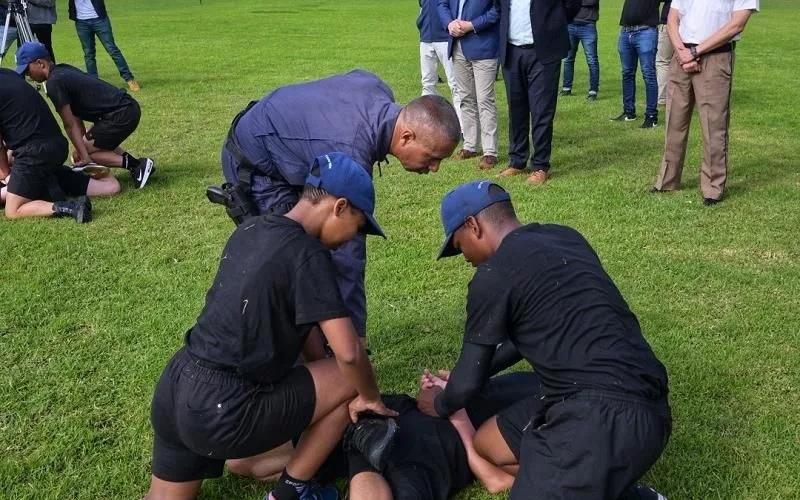
Notable figures such as Cape Town Mayor Geordin Hill-Lewis, Premier Alan Winde, and Alderman JP Smith, the Mayoral Committee Member for Safety and Security, were present at a mass training session on the 22nd of April, 2024. Their attendance underscores the significance of Project 1000 and their commitment to its successful implementation.
Training Program: A Comprehensive Approach to Law Enforcement
The training program extends over a period of 18 months. It transcends mere physical preparation; it is an educational journey that includes understanding legislation, practical training, and robust theoretical knowledge. Through this initiative, the city provides its younger generation with a unique chance to engage in an intense full-time learnership program.
Project 1000 is a continuation of the LEAP programme, reflecting the city’s ongoing efforts to bolster municipal policing. The LEAP programme successfully deployed 1,300 new law enforcement officers in crime-ridden areas, an achievement made possible through the cooperative partnership between the City and Western Cape Government.
Premier Alan Winde praised the dedication and courage of the recruits, expressing his confidence in the LEAP officers’ ability to reduce crime. The premier’s commendation underlines the importance of intensive training in the campaign against crime.
Project Impact and Prospects: Addressing the Challenges of Crime
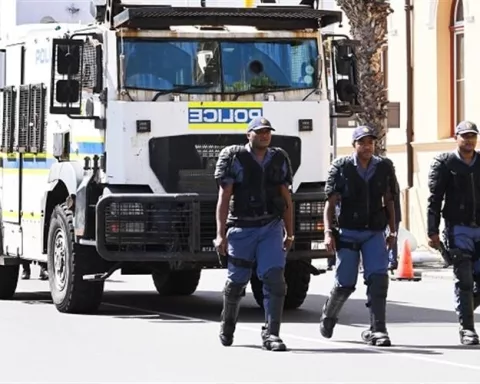
In the forthcoming year, the city has allocated R35m for Project 1000 learnerships. This program showcases the city’s relentless commitment to strengthening its law enforcement resources to support the South African Police Service (SAPS) in their fight against crime. Mayor Hill-Lewis pointed out the encouraging outcomes of their investments, particularly in tackling gang-related, firearm, and drug-related crimes.
The city’s law enforcement efforts have resulted in the seizure of 447 illegal firearms in the past two years. The number of arrests related to firearms saw a 35% rise in the 22/23 period, and the city’s law enforcement also doubled its annual drug arrests, escalating from 4,000 to 8,000 in the same timeframe.
Project 1000 was launched in December 2023, following a thorough recruitment process, under the direction of the City’s Education and Training Development Department within Corporate Services. Alderman JP Smith applauded the initiative, considering it a demonstration of the city’s inventive approach to public safety and service delivery. The project presents candidates with early employment prospects while supplying the city with trained recruits ready to make an immediate difference.
Project 1000 signifies more than just an initiative; it symbolizes the city’s pledge to its citizens and their security. Through this project, the City of Cape Town reiterates its commitment to innovative service delivery and public safety. By investing in its youth and law enforcement resources, the city is not only combating crime but also fostering a generation equipped with skills and opportunities.
How long is the training program for Project 1000 in Cape Town?
The training program for Project 1000 in Cape Town extends over a period of 18 months. It includes physical preparation, understanding legislation, practical training, and robust theoretical knowledge.
What is the aim of Project 1000 in Cape Town?
The aim of Project 1000 in Cape Town is to reinforce the city’s municipal law enforcement resources, enhance law and order, and empower the younger generation with skills and opportunities.
What is the budget allocation for Project 1000 learnerships in Cape Town?
The city has allocated R35m for Project 1000 learnerships in Cape Town for the forthcoming year. This investment showcases the city’s relentless commitment to strengthening its law enforcement resources to support the South African Police Service in their fight against crime.
What is the impact of Project 1000 in addressing the challenges of crime in Cape Town?
Project 1000 has resulted in the seizure of 447 illegal firearms in the past two years. The number of arrests related to firearms saw a 35% rise in the 22/23 period, and the city’s law enforcement also doubled its annual drug arrests, escalating from 4,000 to 8,000 in the same timeframe. These outcomes demonstrate the encouraging impact of the city’s investments, particularly in tackling gang-related, firearm, and drug-related crimes.
Who is involved in Project 1000 in Cape Town?
Project 1000 in Cape Town represents a partnership between the city and the Western Cape Government. Notable figures such as Cape Town Mayor Geordin Hill-Lewis, Premier Alan Winde, and Alderman JP Smith, the Mayoral Committee Member for Safety and Security, were present at a mass training session on the 22nd of April, 2024.
What is the significance of Project 1000 in Cape Town?
Project 1000 in Cape Town signifies the city’s pledge to its citizens and their security. Through this project, the City of Cape Town reiterates its commitment to innovative service delivery and public safety. By investing in its youth and law enforcement resources, the city is not only combating crime but also fostering a generation equipped with skills and opportunities.