Proteas Women: Making History in South African Cricket

1 min read
Proteas Women.

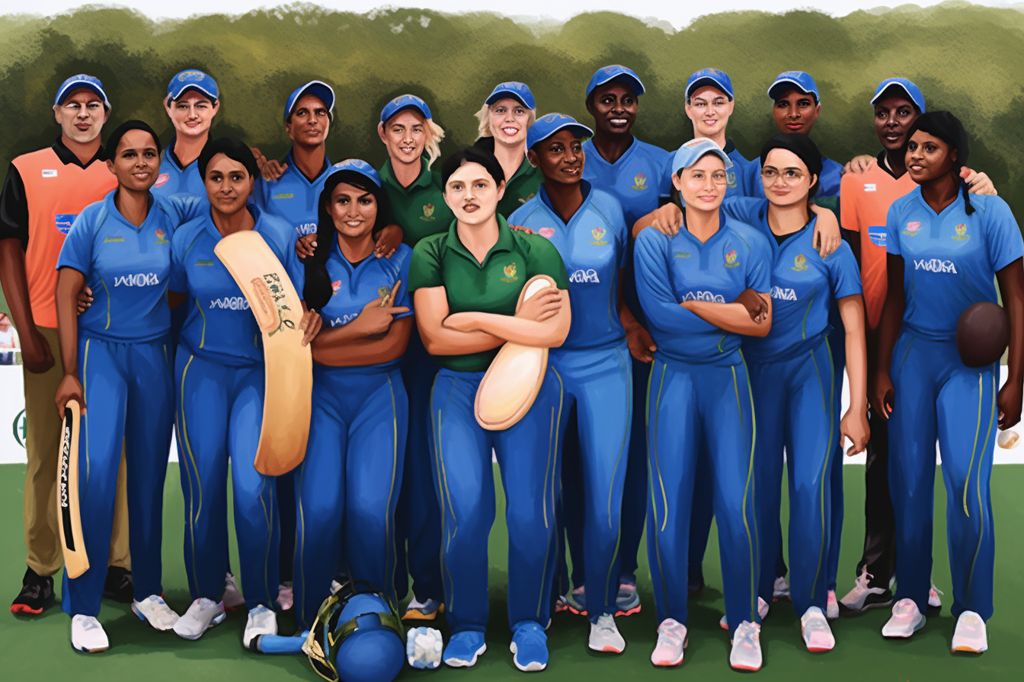
The sound of cricket bats striking balls echoes through South Africa’s cricket fields, but it was not until the Proteas Women’s team made history that the country truly felt the sport’s heartbeat. Their performance during the T20 World Cup in 2023 captured the nation’s imagination, and their journey to the final was nothing short of heroic.

Breaking Barriers

The Proteas Women’s team broke barriers that no South African cricket team had ever dared to breach before. They played with determination, skill, and unrelenting passion, qualities that defined them as true champions. As the first South African cricket team to reach a World Cup final, the Proteas Women have etched their names in the annals of history, and their success will inspire generations of young women to come.

Newsletter

Stay Informed • Cape Town

Get breaking news, events, and local stories delivered to your inbox daily. All the news that matters in under 5 minutes.

Join 10,000+ readers
No spam, unsubscribe anytime

Honoring the Heroes

To celebrate this historic achievement, the team was presented with medals and a R7.5 million incentive at a luncheon. The Proteas Women’s team deserved all the accolades they received and more, for they had shown the world that women’s cricket in South Africa was a force to be reckoned with.

A New Era for Women’s Cricket in South Africa

The Proteas Women’s team’s success has not gone unnoticed by the government, who have pledged to support women’s cricket in the country. The allocation of R15 million over the next three years towards a professional women’s cricket league is a step in the right direction towards gender equality in sports. This effort demonstrates the government’s commitment to empowering women in sport and providing young and upcoming women in cricket with the necessary resources to develop and perform at the highest level.

A Collective Effort

The CEO of Cricket South Africa, Pholetsi Moseki, emphasized that the development of women’s cricket requires a collective effort. The department’s support is essential in taking the women’s game forward, and this financial injection will aid CSA’s continuous efforts to professionalize women’s cricket in the country.

Inspiration for the Future

The Proteas Women’s team’s remarkable achievement will inspire young women from all backgrounds to take up cricket and aspire to compete at the highest levels. The team’s dedication and hard work have shown that with the necessary support, women in sport can perform alongside the best in the world. It is up to us all to ensure that women’s sport receives the funding and recognition it deserves.

Conclusion

The Proteas Women’s team’s historic achievement will remain etched in South African cricket history forever. Their unity and determination to succeed have united the country significantly, and their success has provided a beacon of hope for young women across the country. The Proteas Women’s team has proved that when women are given the opportunity, they can excel in any field, and women’s cricket in South Africa is no exception.

Chloe de Kock is a Cape Town-born journalist who chronicles the city’s evolving food culture, from township braai joints to Constantia vineyards, for the Mail & Guardian and Eat Out. When she’s not interviewing grandmothers about secret bobotie recipes or tracking the impact of drought on winemakers, you’ll find her surfing the mellow breaks at Muizenberg—wetsuit zipped, notebook tucked into her backpack in case the next story floats by.

Leave a Reply

Your email address will not be published.

Previous Story

Exploring the Evolution of the Gatsby in Cape Town

Next Story

Celebrating Bold Women in Business: The Veuve Clicquot Bold Woman Award

Latest from Blog

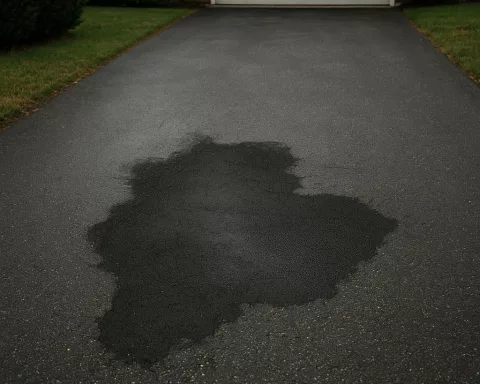
The Driveway That Won’t Forget: What a Judge Found When He Reopened the Chris Hani File

A new book by retired judge Chris Nicholson digs into the Chris Hani assassination, finding shocking new clues. He suggests there might have been a second shooter, pointing to a mystery fourth bullet that doesn’t match the killer’s gun. Even more unsettling, shredded military papers hint at a secret plan, “Project Ravel,” to eliminate Hani. Plus, Hani’s security was strangely pulled just before he was killed. This all paints a picture of a much bigger, dark conspiracy, not just a lone gunman.

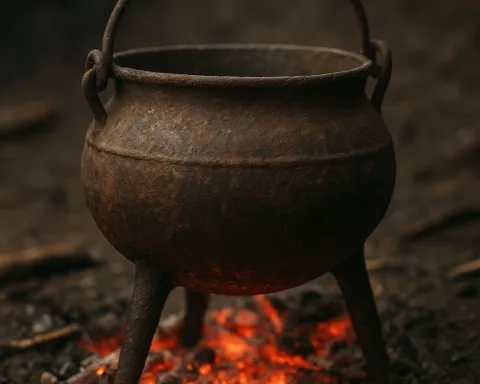
Dawn, Dirt and Dinner: A Willowvale Kitchen Without Walls

In Willowvale, farmers cleverly plant in manurefilled pits to save water and feed the soil. They also build special ditches to catch rainwater, making sure not a single drop goes to waste. Cooking happens outdoors, over crackling fires, using fresh food grown right there. They even turn old things into new cooking tools. It’s all about living close to the earth and making every bit count, showing a deep love for nature.

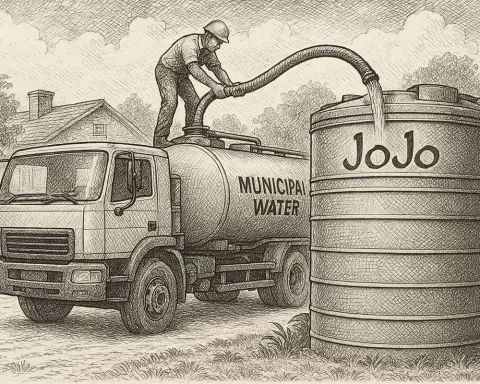
Cape Town Quietly Rewrites the Rules Between Tradition and the State

Cape Town is cleverly changing how it supports traditional initiation camps. They now treat these camps like temporary city areas, providing water, toilets, and trash pickup. This helps keep everyone safe and healthy, using smart data to track everything. It’s a quiet revolution, making sure old traditions fit smoothly into modern city life, and other cities are starting to notice this clever plan.

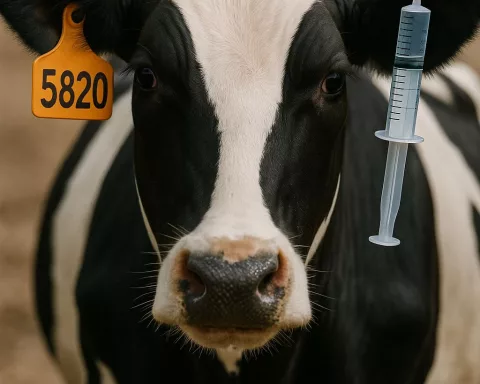
South Africa Plays Hardball on Hoof-and-Mouth: A Five-Year Blitz to Reopen R7 Billion in Beef Trade

South Africa is launching a massive fiveyear plan to crush FootandMouth Disease for good. They’re upgrading labs, getting tons of vaccines, and working with villages to tag and track every animal. This tough new strategy, backed by big money, aims to reopen a R7 billion beef trade with countries like China and the EU. They’re using strict rules, new tech, and even special meetings with local leaders to make sure no sick animal slips through. It’s a fullon war to protect their cattle and bring back their valuable beef exports!

South Africa’s Gateways in November 2025: 3,1 Million Footprints in 30 Days

In November 2025, South Africa saw a massive 3.1 million people cross its borders. This huge number of visitors, especially 2.37 million noncitizens, made it the busiest November for foreign entries since before COVID hit in 2019. It was like a river of people flowing in, showing how popular South Africa had become again.