The Knysna Warbler, a unique bird species in South Africa, was previously assumed to have vanished from the Cape Peninsula, but it has recently resurfaced, causing a stir among bird enthusiasts. The bird is known for its elusive nature and captivating call, and its rediscovery highlights the importance of conservation efforts and habitat preservation. While the species is classified as vulnerable, the presence of a breeding pair is a hopeful sign for its future population on the Cape Peninsula.
Rediscover the Knysna Warbler on the Cape Peninsula: A Brief Overview. The Knysna Warbler is a species previously assumed to have vanished from Cape Town, but it has charmingly resurfaced, garnering interest from bird enthusiasts both locally and internationally. This enigmatic species is unique to South Africa and has traditionally been spotted along a slender coastal strip stretching from Cape Town to Durban. The Knysna Warbler’s return is a testament to nature’s resilience and an encouraging memory of the precious wildlife that populates our world.
A Stir Among Bird Enthusiasts
The verdant expanses of the Cape Peninsula recently resonated with a buzz among bird lovers. The endemic Knysna Warbler, a species previously assumed to have vanished from Cape Town, has charmingly resurfaced. The scarcity of these sightings had led many birdwatchers and conservationists to believe that the Knysna Warbler had locally disappeared. However, on the 25th of November, 2023, an unexpected delight was bestowed upon Mike Buckham, the respected Chairman of the Cape Bird Club. During a casual run through Table Mountain National Park’s Newland area, he detected the unique warble of the elusive Knysna bird.
The Elusive Knysna Warbler: A Brief Overview
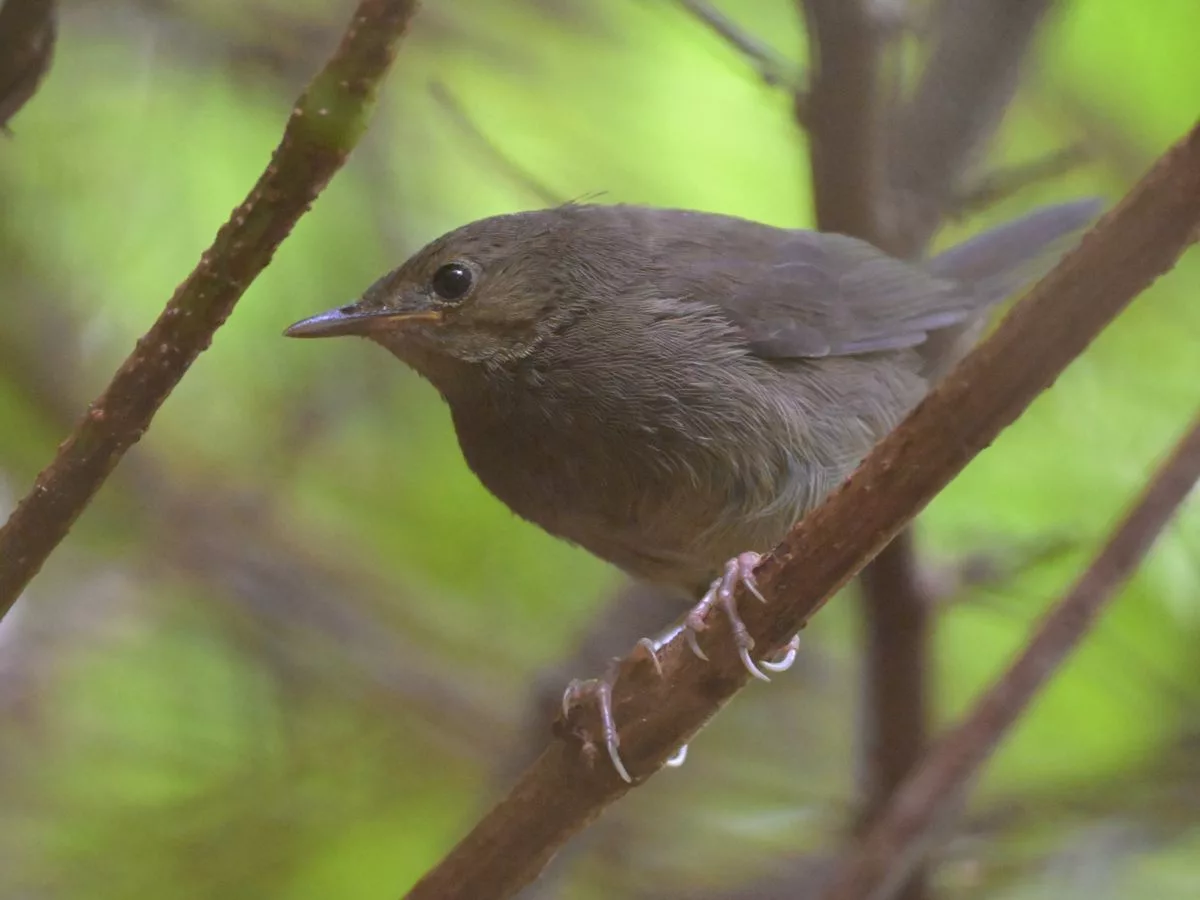
The Knysna Warbler (Bradypterus sylvaticus) is a creature of understated charm. This bird is identified by its fondness for the dense shrubs, interwoven plants, and thickets at the forest’s edges. The secretive nature of the bird is at odds with its captivatingly rich call – a series of sharp, high-toned notes that escalate into a powerful trill. This enigmatic species garners interest from bird enthusiasts both locally and internationally, making it a prized commodity.
News of this rare bird’s rediscovery spread like wildfire among bird lovers. Eager enthusiasts swiftly set off on hikes, hoping to spot or listen to this elusive species. With a sprinkle of patience, numerous birdwatchers were rewarded with sightings or auditory experiences, with a few even managing to photograph the elusive bird.
Conservation Efforts and the Significance of the Rediscovery
In the wake of this exhilarating news, Cape Town’s Deputy Mayor and Mayoral Committee Member for Spatial Planning and Environment, Alderman Eddie Andrews, underlined the necessity of maintaining a respectful distance. He urged birdwatchers to refrain from any actions that might distress the rare avifauna, such as using playback calls to coax them into sight.
The Knysna Warbler is a species unique to South Africa and has traditionally been spotted along a slender coastal strip stretching from Cape Town to Durban. Despite its geographical isolation, the Cape Town population often attracts birders eager to include this species in their records.
Megan Taplin, the Park Manager for Table Mountain National Park, expressed her joy over the addition of another confirmed species to the park’s birding list. She hopes that this discovery would bring additional pleasure to the park’s birders and nature enthusiasts.
The Future of the Knysna Warbler
Andrew de Blocq, Avitourism Project Manager at BirdLife South Africa, emphasized the importance of this rediscovery. The Knysna Warbler isn’t just an endemic species—it is a crucial part of South Africa’s biodiversity and a valuable link to our shared natural heritage. The rediscovery serves as a motivational reminder of Cape Town’s standing as one of the planet’s most biodiverse cities.
Although the species is classified as vulnerable due to their decreasing numbers and habitat loss, this discovery is a beacon of hope. It signifies the presence of a population core that may eventually thrive and reestablish itself.
This rediscovery underscores the urgency of conservation and habitat preservation in ensuring the survival of such endangered species. The Knysna Warbler’s return is a testament to nature’s resilience and an encouraging memory of the precious wildlife that populates our world.
John Graham, a diligent bird enthusiast, was able to photograph a juvenile Knysna Warbler. This image of a young bird confirms the presence of at least one breeding pair in the vicinity, reinforcing optimism for a prosperous future population of the Knysna Warbler on the Cape Peninsula.
What is the Knysna Warbler?
The Knysna Warbler is a unique bird species in South Africa known for its elusive nature and captivating call. It is identified by its fondness for the dense shrubs, interwoven plants, and thickets at the forest’s edges.
Why was the Knysna Warbler assumed to have vanished from the Cape Peninsula?
The scarcity of sightings had led many birdwatchers and conservationists to believe that the Knysna Warbler had locally disappeared from the Cape Peninsula.
When was the Knysna Warbler rediscovered?
The Knysna Warbler was rediscovered on the 25th of November, 2023.
What is the significance of the Knysna Warbler’s rediscovery?
The rediscovery highlights the importance of conservation efforts and habitat preservation. Although the species is classified as vulnerable, the presence of a breeding pair is a hopeful sign for its future population on the Cape Peninsula.
How should birdwatchers behave when observing the Knysna Warbler?
Birdwatchers should maintain a respectful distance and refrain from any actions that might distress the rare avifauna, such as using playback calls to coax them into sight.
What is the future of the Knysna Warbler?
The rediscovery serves as a motivational reminder of Cape Town’s standing as one of the planet’s most biodiverse cities. Although the species is classified as vulnerable, the presence of a breeding pair is a hopeful sign for its future population on the Cape Peninsula.