Cape Town’s unfinished freeways are giant concrete reminders of a past full of broken plans and division. Engineer Gareth Ramsay imagines turning these empty roads into a six-kilometre rail line that would connect neighborhoods, ease traffic, and heal old apartheid separations. His idea sparks hope by turning wasted space into a green, inclusive way to move around the city, offering fresh chances for everyone. Though city officials are cautious, the conversation fuels a bigger dream: transforming Cape Town’s roads from barriers into bridges for a better future.
What is the future of Cape Town’s unfinished freeways and how can they improve urban mobility?
Cape Town’s unfinished freeways symbolize interrupted progress but hold potential for transformation. Gareth Ramsay proposes repurposing them into a six-kilometre rail line to enhance sustainable, inclusive urban mobility, connecting key neighborhoods and addressing apartheid-era spatial divides while reducing traffic congestion and promoting equitable transit.
A City Divided by Legacy and Concrete
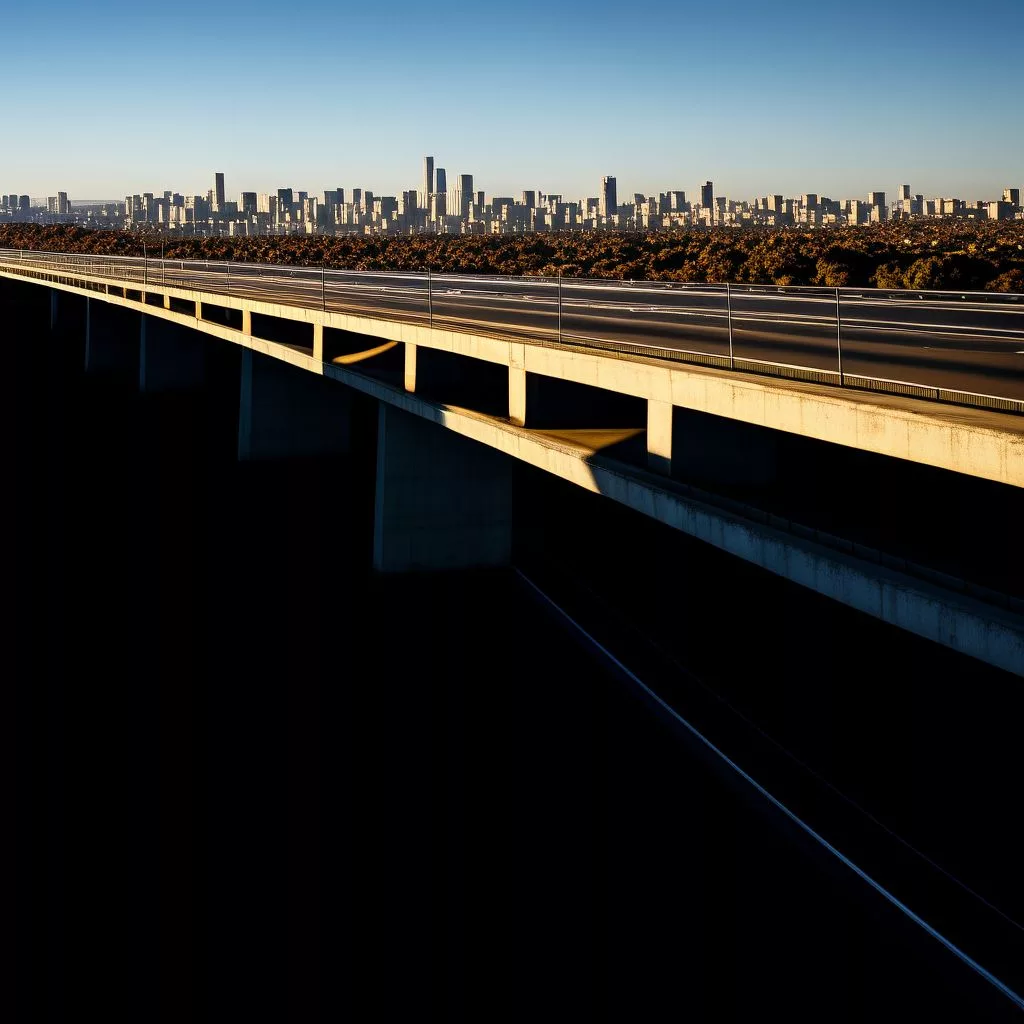
Cape Town’s iconic skyline unfolds beneath the ever-present gaze of Table Mountain, a juxtaposition of natural grandeur and urban complexity. Daily life in the city pulses with the challenge of efficient movement, a theme as persistent as the mountain’s shadow. The city’s patchwork of cultures and turbulent past have left deep imprints on its streets, most visibly in the form of the infamous unfinished elevated freeways on the Foreshore. Originally conceived as arteries of progress, these skeletons of concrete have come to symbolize ambitions interrupted and priorities reshuffled over decades.
These elevated structures loom overhead, drawing commentary, jokes, and frustration from residents who see them as both monumental reminders and urban blemishes. Locals have woven these dead-end flyovers into the city’s collective identity, using them as backdrops for everything from social satire to artistic expression. Their presence, however, is more than just aesthetic; they tell a story of interrupted dreams and ongoing debates about who gets to move, and how, through the city.
The unfinished freeways were born from plans that never reached completion, stalling amid public resistance and shifting political winds. Over time, they became physical manifestations of a city divided – not just by concrete, but by the legacy of spatial segregation that continues to define Cape Town’s urban experience.
Gareth Ramsay’s Vision: From Dead Zones to Connective Corridors
Against this backdrop, Gareth Ramsay, a Cape Town-based engineer, has chosen to see potential where others see only failure. Rather than accept the freeways as wasted space, Ramsay views them as dormant resources, ripe for reinvention. His ambitious proposal centers on a six-kilometre rail line weaving from Woodstock through to Sea Point, ending at Three Anchor Bay – a route designed to bridge physical and historical divides within the city.
Ramsay’s idea goes beyond engineering and enters the realm of social transformation. He envisions the project not only as a way to improve transport, but as a step towards repairing the fractures left by apartheid-era planning. Today, neighbourhoods often remain isolated, separated not only by geography but by a lack of affordable and accessible transit. Ramsay’s rail line aims to repurpose the unused freeway platforms, converting them from barriers into conduits of opportunity.
This proposal draws on the philosophy of adaptive reuse, a concept celebrated in modern urbanism. Rather than demolishing or extending the freeways to accommodate more vehicles, Ramsay suggests a shift toward sustainability and inclusivity. His rail line would glide above the city, transforming concrete relics into pathways for connection – a vision inspired by movements like Brutalism and New Urbanism, which champion the creative reinvention of urban space and a move away from car dependency.
Navigating Bureaucracy and Public Opinion
When Ramsay presented his plan to Cape Town’s Urban Mobility Department in February 2023, he backed it with technical knowledge and a keen understanding of the city’s needs. He argued that the rail line would do more than alleviate congestion; it could offer both locals and tourists a faster, more enjoyable way to traverse some of Cape Town’s most sought-after areas. It would also signal the city’s willingness to innovate, choosing transformation over inertia.
Public reaction to Ramsay’s idea was swift and lively. Social media platforms buzzed as Cape Town’s residents discussed the plan’s merits. Many shared personal tales of daily gridlock, unreliable buses, and the toll that inefficient transport takes on their lives. The notion of soaring above traffic, surrounded by panoramic views of sea and mountain, sparked both excitement and hope. The project seemed to promise not just convenience, but a more equitable and inspiring urban experience.
Despite this groundswell of interest, city officials responded with caution. Councillor Rob Quintas, representing Urban Mobility, acknowledged the project’s appeal but stressed the city’s significant investments in the MyCiTi bus system. He argued that expanding existing transit offerings represented a safer, more cost-effective path. For policymakers, the risks of launching a new rail system atop an uncertain foundation outweighed the potential benefits. This preference for incremental improvements over bold experiments reflects a tension that runs through many cities: the friction between visionary ideas and the realities of limited budgets and competing priorities.
Lessons from the World and the Power of Reimagination
Cape Town’s debate over the Foreshore freeways and Ramsay’s rail proposal echoes conversations in cities around the globe. International examples offer both inspiration and caution. In New York, planners transformed the abandoned High Line railway into a park, sparking admiration alongside concerns about gentrification. Seoul’s Cheonggyecheon project replaced a major highway with urban green space, while Paris continues to experiment with pedestrian zones, seeking to balance heritage with modern demands.
These projects demonstrate that adaptive reuse can breathe new life into neglected infrastructure, but success depends on more than vision. Deep engagement with local communities and a willingness to tackle unintended consequences are essential. Ramsay’s proposal foregrounds issues of access and equity, challenging Cape Town to rethink how infrastructure can heal rather than divide.
The conversation around Cape Town’s unfinished freeways also brings broader issues into focus: land use, environmental impact, economic growth, and the meaning of public space. These concrete platforms occupy some of the city’s most valuable real estate – land that could serve collective needs rather than just automobiles. Urbanists have long argued that widening roads rarely solves congestion; instead, it feeds a cycle of increased traffic and pollution. Ramsay’s rail idea offers a different vision – one rooted in sustainability and inclusivity.
The Unfinished Freeways: Symbols of Stagnation or Seeds of Change?
Although the city ultimately declined Ramsay’s proposal, the idea has energized an ongoing debate about Cape Town’s future. The elevated freeways, as they stand, offer a daily challenge and a canvas for the city’s imagination. Residents continue to share stories of lost time, missed opportunities, and the quiet ways in which mobility shapes destinies. Their voices, layered with frustration and hope, enrich the public dialogue.
Artists and activists have also claimed space beneath the looming structures, transforming underpasses into sites for murals, performances, and community gatherings. In this way, the freeways have become accidental stages for both anxiety and aspiration – a place where the city’s struggles play out in real time.
Cape Town’s predicament resonates with urban centers across South Africa, where rapid growth, strained infrastructure, and the lingering effects of segregation remain pressing challenges. The city’s search for better mobility is inseparable from questions of justice, belonging, and the right to the city. Ramsay’s rail project, though paused for now, gestures toward a different future – one in which infrastructure serves the needs of all, breaking down barriers rather than entrenching them.
For the moment, the Foreshore freeways remain unfinished, their purpose unresolved. Yet the debate they provoke keeps alive a restless energy, propelling Cape Town to imagine new ways of moving forward. The city stands at a crossroads, caught between the weight of its history and the promise of transformation – inviting its people to dream, debate, and shape the pathways of tomorrow.
FAQ: Reimagining Cape Town’s Unfinished Freeways
What are Cape Town’s unfinished freeways and why were they left incomplete?
Cape Town’s unfinished freeways are elevated concrete structures on the Foreshore area, originally planned as major road arteries to improve traffic flow. However, construction was halted due to public resistance, shifting political priorities, and budget constraints. Over time, they became symbols of interrupted development and the city’s apartheid-era spatial divisions, reflecting a legacy of segregation and fragmented urban planning.
What is Gareth Ramsay’s proposal for these unfinished freeways?
Engineer Gareth Ramsay proposes transforming the six-kilometre stretch of unused freeway platforms into a rail line connecting Woodstock, Sea Point, and Three Anchor Bay. This elevated rail system aims to improve urban mobility by offering a sustainable, inclusive alternative to car travel, reducing congestion, and bridging historically divided neighborhoods. His vision emphasizes adaptive reuse – turning neglected infrastructure into a green, accessible transit corridor that fosters social and spatial integration.
How could this rail line help address the legacy of apartheid in Cape Town?
Apartheid-era planning left Cape Town’s neighborhoods physically and economically segregated, with limited affordable transit options connecting them. Ramsay’s rail line would link areas separated by geography and history, promoting equitable access to jobs, services, and social opportunities. By turning barriers into connectors, the project seeks to heal divisions and support a more inclusive urban future.
What has been the reaction from the public and city officials?
The public response has been largely enthusiastic, with many residents expressing frustration over existing traffic congestion and unreliable transport. Social media discussions highlighted hope for a faster, greener way to navigate the city, with scenic views as a bonus. City officials, however, have been cautious – prioritizing investments in the existing MyCiTi bus system and favoring incremental improvements over large-scale new infrastructure due to concerns about cost, complexity, and risk.
Are there examples from other cities where similar infrastructure has been successfully repurposed?
Yes. Globally, cities have transformed abandoned or underutilized infrastructure into vibrant public spaces or transit corridors. New York’s High Line turned an old elevated railway into a popular park, Seoul replaced a highway with the Cheonggyecheon greenway, and Paris continues expanding pedestrian zones. These projects demonstrate the potential for adaptive reuse to revitalize urban areas, though they also warn about challenges like gentrification and the need for community engagement.
What is the current status and future outlook for Cape Town’s unfinished freeways?
As of now, the city has not adopted Ramsay’s rail proposal, favoring existing transit improvements instead. However, the debate sparked by the idea has energized discussions about Cape Town’s urban mobility, land use, and social equity. The freeways remain unfinished, serving as a physical and symbolic crossroads between past urban planning failures and future possibilities. Continued public interest and activism keep alive the hope that these spaces might one day transform from barriers into bridges for a more connected Cape Town.
If you want to learn more or get involved in local urban mobility initiatives, consider following Cape Town’s Urban Mobility Department updates and community forums focused on sustainable city planning.