Streetscapes is changing Cape Town by turning old city-owned houses into affordable, green homes filled with hope and support. They don’t just offer shelter—they bring people together, using mentors who understand the struggles of homelessness to guide others toward a better life. Their work gives many a chance to feel safe, valued, and part of a caring community. In Cape Town’s busy streets, Streetscapes is planting seeds of change, showing that a true home can heal and inspire.
How is Streetscapes transforming lives and homes in Cape Town?
Streetscapes transforms Cape Town by providing affordable, sustainable housing combined with peer support and community empowerment. Their model includes:
– Acquiring city-owned homes below market value
– Offering holistic support beyond shelter
– Using peer mentorship from those with lived experience
– Integrating green technologies
This approach restores dignity and fosters inclusion.
A Movement Rooted in Compassion
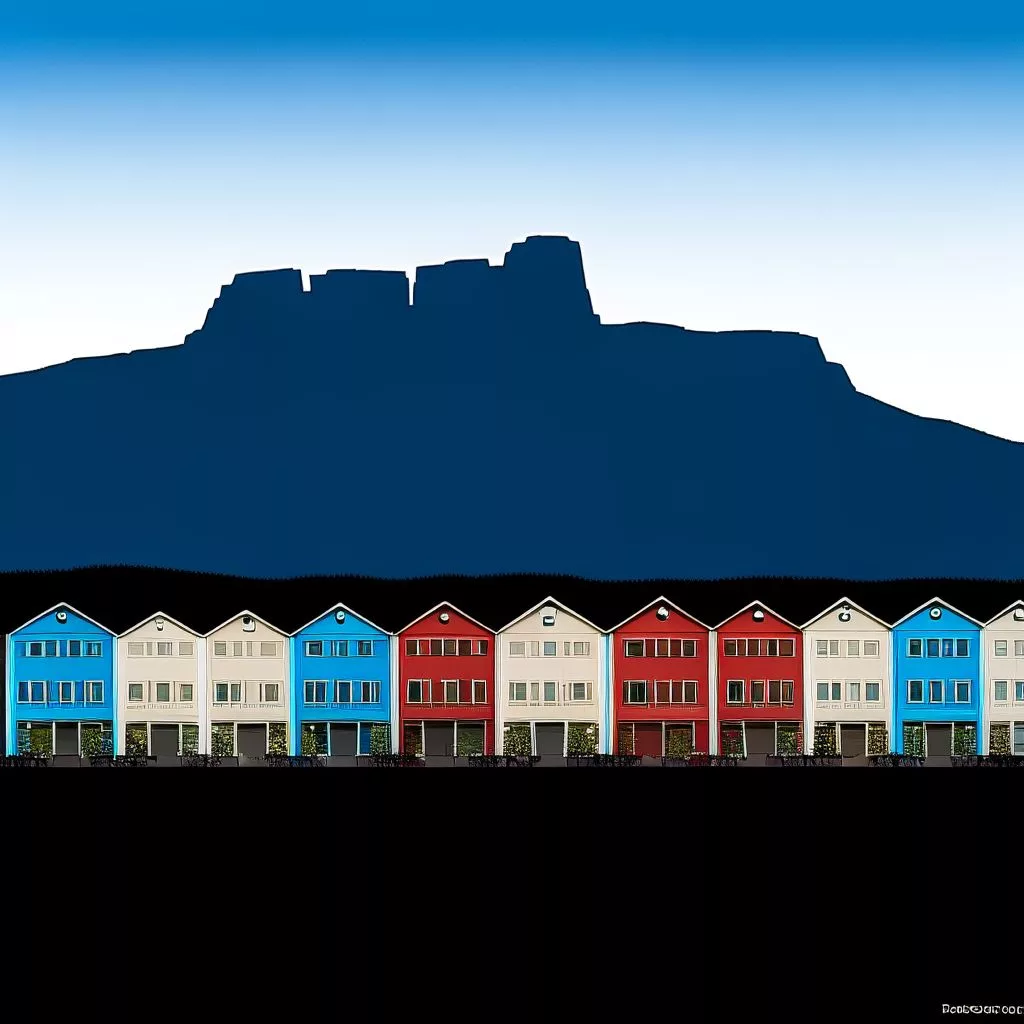
Cape Town, a city framed by the majestic Table Mountain, pulses with both aspiration and hardship. Amid its bustling streets and stark inequalities, a transformative movement quietly gathers momentum. Streetscapes, a local non-profit, leads this charge not with grand displays or lavish promises, but through thoughtful, persistent action. Their latest project—purchasing seven city-owned houses—is more than a typical property transaction. Instead, it signals a deeper commitment: to restoring dignity, fostering inclusion, and giving the city’s most marginalized a tangible stake in Cape Town’s tomorrow.
This journey traces its roots back to an earlier era of urban ambition. Decades ago, the city acquired these residential properties to facilitate an unrealized plan for new highways—a vision emblematic of mid-century faith in cars and infrastructure. While the roads never came, the houses remained, standing as quiet reminders of shifting urban priorities and the people left waiting on the periphery.
Today, the focus has shifted. James Vos, who oversees economic growth for Cape Town, now speaks of these properties as opportunities for renewal. The city sees their purpose extending beyond mere assets, hinging on public engagement, council oversight, and clear alignment with social development policies. Remarkably, Cape Town’s Immovable Property policy includes a provision that allows for the sale of such properties at 10 to 25 percent of their market value, provided the new owners use them for the public good. Through this, Streetscapes could acquire the homes for a fraction of their worth, reflecting a municipal commitment to championing innovative social approaches.
Navigating Barriers and Building Community
Turning policy into lived reality, however, presents its own set of challenges. Streetscapes needs to raise R2.5 million to secure the properties, hoping to collect R250,000 through crowdfunding and the remainder via business partnerships. But the impact they seek cannot be measured in currency alone. Instead, the true measure of their work lies in the stories of those whose lives have already been transformed by Streetscapes’ holistic approach.
Unlike models that see homelessness as merely a housing problem, Streetscapes operates on the principle that stability springs from comprehensive support. Since their founding a decade ago, the organisation has prioritized not only safe shelter, but meaningful work, community, and personal growth. A cornerstone of their success is the peer-to-peer model—trained individuals with lived experience of homelessness or addiction act as mentors for others walking similar paths. This method fosters connection and empowerment, steering clear of the top-down paternalism that often undermines traditional social services.
Sandile Mhlongo’s journey illustrates this approach. Once an aspiring soccer player from Durban, his dreams unraveled into years of instability and survival on Cape Town’s streets. When Streetscapes entered his life, his first assignment—sweeping Woodstock’s streets—gave him structure and purpose. Eventually, he moved into one of the communal houses, a turning point that revealed the profound value of having a home. “Housing means a lot to us because some of us never had housing before,” Mhlongo says. Now, as a peer supervisor, he guides others through recovery and reconciliation, helping them find what he once sought—a sense of security and belonging.
This cycle of change appears again and again. Dolan Davis spent over twenty years on the streets before joining Streetscapes, where working in urban gardens and later on the Kuils River farm reignited his hope. The daily act of cultivating the land became a metaphor for personal renewal, a process that extends beyond sustenance to the restoration of self-worth and dreams.
Stories of Transformation and Shared Growth
Each success story at Streetscapes adds a unique thread to their tapestry of change. Thabo Koti’s experience highlights the organization’s commitment to walking beside those in recovery, not just offering resources. Emerging from addiction and trauma, Koti credits Streetscapes for accompanying him every step of the way. “They were the first organisation that actually walked the journey with me into recovery,” he explains. Now, as the house coordinator at Chester House, he channels his own transformation into creating a supportive environment for others, proving that safe housing does more than provide shelter—it restores dignity and a sense of inclusion within the city.
Then there’s Jonathan Manuel, whose story underscores Streetscapes’ impact on the most fundamental level. Orphaned at nine, Manuel grew up without a sense of home, surviving on Cape Town’s streets into adulthood. For him, securing an identification document—an often-overlooked milestone—offered a doorway to both housing and employment. Settled now in Chester House, he speaks not just of shelter but of warmth and belonging, intangibles that echo the values of family and community, far beyond bureaucratic measures.
Streetscapes’ philosophy draws inspiration from historic social movements like the nineteenth-century settlement houses of Europe and America, where reformers embedded themselves in urban communities to foster empowerment and participation. Their peer support model challenges the outdated notion of passive recipients, instead nurturing agency and mutual growth among residents.
Redefining Urban Living and Looking Ahead
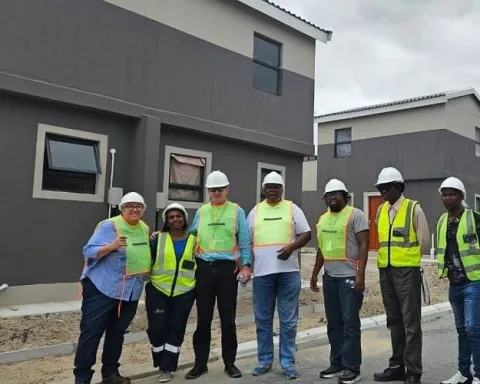
Streetscapes’ ambitions extend well beyond filling rooms. Their vision for the seven new homes includes affordable rent, opportunities for families to stay together, and proximity to central Cape Town’s resources and culture. More than just places to sleep, these houses are designed as true homes—spaces where individuals and families can rebuild their lives and connect with one another.
Sustainability features prominently in their plans. Drawing on prior experiments with solar-powered, rainwater-fed laundromats, Streetscapes aims to integrate green technologies into the new properties. These innovations reflect a commitment to both environmental responsibility and social equity, modeling how the same solutions can meet multiple needs: reducing costs, conserving resources, and empowering residents to participate in shaping a more just urban landscape.
Realizing this vision will require collaboration and perseverance. Streetscapes has begun forging creative partnerships with solar firms and building companies to keep expenses low and maximize impact. Their approach exemplifies a new model of civic engagement, one where non-profits, local government, and private enterprises unite to tackle complex social challenges. This spirit of partnership echoes successful experiments in participatory urban development worldwide, strengthening the belief that lasting change emerges from collective effort.
The city’s process for transferring the homes remains ongoing. Technical reviews and public consultations stand ahead, with no firm timeline yet in place. Streetscapes founder Jesse Laitinen acknowledges the slow pace, but remains undeterred. Helping even a handful of individuals, she asserts, represents a meaningful stride against entrenched systems of neglect and exclusion.
Cultivating Possibility in Cape Town
In a city defined by contrasts, Streetscapes does more than offer housing—it sows hope. Through urban gardens, peer support, and innovative, sustainable homes, the organization sketches a vision of Cape Town where compassion, creativity, and community replace indifference and isolation. Each life changed becomes a testament to what’s possible when society invests in its most vulnerable.
As Streetscapes continues its quiet revolution, their work stands as a beacon for cities everywhere: real transformation begins not with sweeping policies, but with the belief that every person deserves a place to belong and the tools to build a better future. Their ongoing journey reminds us that hope, when nurtured, can grow in the unlikeliest of places—and that the heart of a city is shaped not by its buildings alone, but by the lives within.
What is the mission of Streetscapes in Cape Town?
Streetscapes aims to transform lives in Cape Town by turning old city-owned houses into affordable, green homes that provide more than just shelter. Their mission focuses on restoring dignity, fostering inclusion, and building supportive communities through peer mentorship, holistic support, and sustainable living. They believe a true home can heal and inspire, offering residents safety, belonging, and opportunities for personal growth.
How does Streetscapes acquire properties for their projects?
Streetscapes acquires city-owned houses at a significantly reduced price—between 10 to 25 percent of their market value—under Cape Town’s Immovable Property policy. This policy allows the sale of municipal properties for public good purposes. Many of these homes were originally purchased decades ago for unrealized infrastructure projects, and Streetscapes repurposes them into affordable housing to benefit marginalized communities.
What kind of support do residents receive beyond housing?
Beyond providing affordable homes, Streetscapes offers holistic support, including meaningful work opportunities, community engagement, and peer mentorship. Mentors with lived experience of homelessness or addiction guide others through recovery and personal development, fostering empowerment rather than a top-down approach. This comprehensive support system helps residents build stability, self-worth, and a sense of belonging.
How does Streetscapes incorporate sustainability in its housing model?
Sustainability is central to Streetscapes’ vision. They integrate green technologies such as solar power and rainwater harvesting systems into their housing projects. Previous initiatives include solar-powered, rainwater-fed laundromats. These environmentally responsible solutions help reduce costs for residents, conserve resources, and demonstrate how social equity and environmental care can go hand in hand.
What are some examples of personal transformations achieved through Streetscapes?
Streetscapes has numerous success stories, including individuals like Sandile Mhlongo and Thabo Koti. Sandile, once homeless and struggling, found purpose through structured work and housing, eventually becoming a peer supervisor mentoring others. Thabo credits Streetscapes with supporting him through addiction recovery and now coordinates a supportive house for others. These stories illustrate how safe housing combined with community support can restore dignity and foster lasting change.
What challenges does Streetscapes face in realizing its vision?
One major challenge is funding—they need to raise approximately R2.5 million to secure the seven city-owned houses, relying on crowdfunding and business partnerships. Additionally, the city’s property transfer process involves technical reviews and public consultations, with no fixed timeline, which can slow progress. Despite these hurdles, Streetscapes remains committed to fostering change through collaboration with local government, private partners, and community members.