
Reinforcing Democracy and Unity through the National Dialogue on Coalition Governments

1 min read
s o

Deputy President Paul Mashatile is taking the lead in organizing an important National Dialogue on Coalition Governments. It is scheduled to take place on August 4th and 5th, 2023 at the University of the Western Cape, and the event is expected to play a crucial role in strengthening democracy and unity in South Africa.

Opening Session: “As South Africa, here we stand”

The event will kick off with an opening session that sets the tone for the discussions. Participants will be encouraged to reflect on the country’s history, collective achievements, and the challenges that lie ahead.

Newsletter

Stay Informed • Cape Town

Get breaking news, events, and local stories delivered to your inbox daily. All the news that matters in under 5 minutes.

Join 10,000+ readers
No spam, unsubscribe anytime

Plenary Session 1: “Building a United and Democratic South Africa”

In the morning, the plenary session will focus on analyzing the key strategies and policies needed to foster a more unified and democratic nation. Participants will share their insights and experiences to identify the best way forward.

Plenary Session 2: “Bound Together by the Commitment of Putting the People First”

In the afternoon, the discussion will emphasize the importance of placing citizens’ needs and aspirations at the heart of policy decisions, ensuring that they actively participate in shaping the country’s future.

Breakaway Sessions: Focusing on Specific Aspects of Coalition Governments

Four breakaway sessions will be held, covering topics such as the professionalization of the public service for improved service delivery, transforming the system of supporting municipalities in coalition governments, identifying elements of the necessary culture and political social compact for coalition governments, and the proposed regulation of coalition governments for the short, medium, and long term.

Plenary Session 3: “Establishing a Society Anchored on Democratic Values and Systems”

On the second day, the morning plenary session will explore the importance of upholding democratic principles and values, as well as the strategies needed to strengthen them.

Closing Plenary Session: “In South Africa Our Land”

The event will come to an end with a closing plenary session. Throughout the event, attendees will engage in lively discussions and debates, aiming to pave the way for a more robust democracy and a united South Africa.

Media Access and Accreditation

The media will have full access to all sessions of the dialogue, ensuring transparency and openness. The University of the Western Cape has made special arrangements to accommodate the media, including designated parking and shuttle services to the venue – the Jakes Gerwel Hall. Journalists are advised to arrive early and adhere to the formal dress code. Accreditation for media personnel can be collected on August 3rd, 2023 at the Senate Hall of the university.

The National Dialogue on Coalition Governments promises to be a significant milestone in South Africa’s democratic journey. By facilitating open discussions and inclusive debates, this event will contribute to the ongoing effort to create a more united and democratic nation.
A Russian-Spanish journalist and Cape Town native, channels his lifelong passion for South Africa into captivating stories for his local blog. With a diverse background and 50 years of rich experiences, Serjio's unique voice resonates with readers seeking to explore Cape Town's vibrant culture. His love for the city shines through in every piece, making Serjio the go-to source for the latest in South African adventures.

Leave a Reply

Your email address will not be published.

Previous Story

Minister Sihle Zikalala Addresses Stalled Construction Projects in Gauteng

Next Story

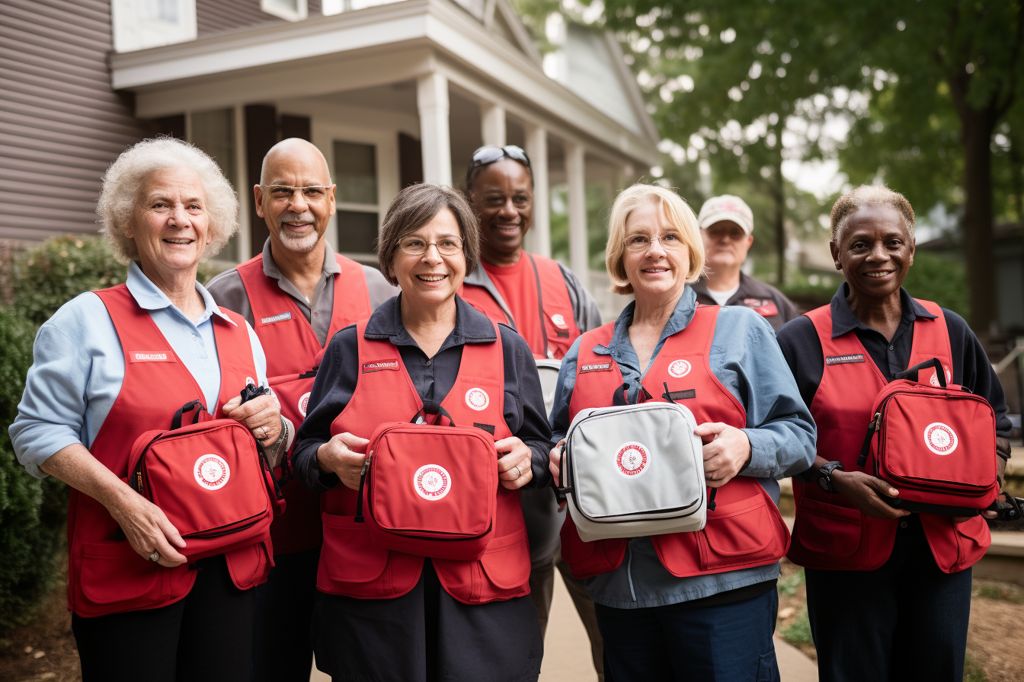
Improving Community Safety: Expanding First Aid Training for Neighborhood Watches

Latest from Blog

Cape Town’s “Red Wedge”: How a 900-Metre Airport On-Ramp Became South Africa’s Most Watched Kill-Zone

{“summary”: “The \”Red Wedge\” in Cape Town is a dangerous 900meter stretch of airport road. It’s famous for terrible crimes like carjackings and smashandgrabs, making it South Africa’s most watched ‘killzone.’ This area was poorly designed in the 1970s, which now helps criminals ambush cars. Even with many cameras, police struggle to stop the quick attacks. Now, a big wall is being built, and new tech like drones and special apps are helping to fight back against the robbers.”}

South Africa’s 2025 Beef Surge: When Biology, Red Tape and a Thirsty Planet Collide

South African beef prices shot up in 2025, not because of local good news, but because the world ran short of red meat. Fewer cattle everywhere and China’s pork problems made other countries hungry for South African beef. Even with local sickness and people here buying less, farmers made more money. They sold to new places like the Middle East, using special tricks to get around problems. But the future is tricky, with animal sickness, changing weather, and how much money is worth all playing a part in what happens next for South African beef.

A Province That Won’t Stop Knocking on the Constitutional Door

The Western Cape really wants to break away from South Africa, but it’s super hard because of the law. The country’s main rule says South Africa must stay as one, and changing that is almost impossible. Even though many people in the Western Cape feel left behind and want to control their own future, the government keeps saying ‘no’. So, for now, the Western Cape has to find other ways to get more power without leaving the country.

The Invisible Poison Lurking Beneath Sapphire Waves

{“summary”: “Imagine tiny, invisible sea bugs that create a deadly poison. Mussels eat these bugs and become full of this poison, called saxitoxin. If people eat these poisoned mussels, their nerves stop working, and they can’t breathe. This hidden danger is causing big problems for people who gather mussels and for the sea itself, killing lots of sea creatures and making the ocean sick. Scientists are working hard to find ways to spot this silent killer and keep everyone safe.”}