
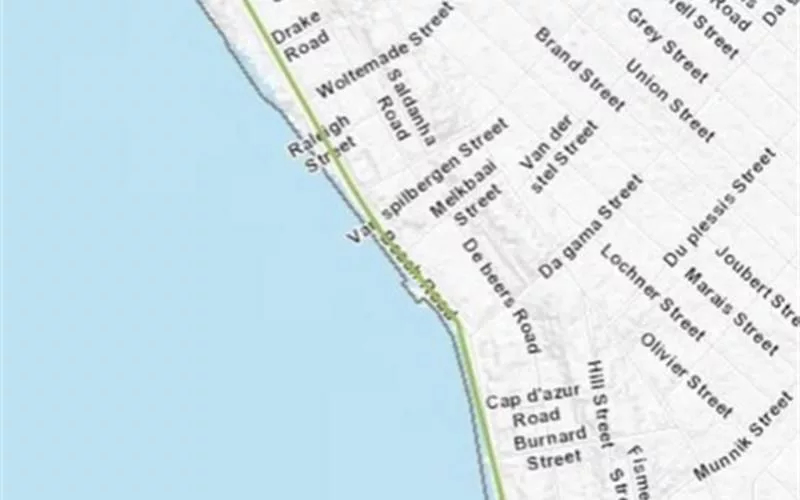
The Beach Road revitalization project in Strand, South Africa is a major undertaking by the City of Cape Town’s Urban Mobility Directorate to improve the town’s main thoroughfare linking the center with the coastline. The project includes a complete resurfacing of both carriageways, infrastructure repair, and replacement of damaged manholes, catchpits, frames, and chambers. The revitalization project symbolizes a commitment to enhancing the quality of life for residents and visitors alike and will ultimately result in lowered costs for motorists. The renewed Beach Road will connect the town with its peaceful shoreline, enhancing the overall experience for all who traverse its picturesque streets.
What is the Beach Road revitalization project in Strand, South Africa?
The City of Cape Town’s Urban Mobility Directorate is undertaking a massive project to improve Beach Road, a major thoroughfare linking Strand’s center with its coastline. The project includes a complete resurfacing of both the westbound and eastbound carriageways, along with infrastructure repair and replacement of damaged manholes, catchpits, frames, and chambers. The revitalization project symbolizes a commitment to enhancing the quality of life for residents and visitors alike.
A Major Undertaking in Strand
In the charming beach town of Strand, located within South Africa’s Western Cape region, a massive project is currently underway. The City of Cape Town’s Urban Mobility Directorate has launched an initiative to improve both the functionality and aesthetics of Beach Road, an essential thoroughfare linking the town’s lively center with its tranquil coastline. With a timeline spanning from 10 October to 8 December 2023, this bold undertaking aims to revitalize a road that has long acted as the town’s mainstay.
Beach Road, a busy route stretching between Thompson Street and Sarel Cilliers Street, demonstrates the city’s dedication to preserving its infrastructure while ensuring the safety and welfare of its residents and visitors. The road has withstood the test of time, witnessing innumerable sunrises and sunsets, as well as the waxing and waning of the tides. Now, as part of the City’s ongoing road maintenance program, it is set to experience a transformative renovation.
Comprehensive Road Resurfacing and Infrastructure Repair
The project includes a complete resurfacing of both the westbound and eastbound carriageways, as well as the parking bays along Beach Road. This process entails the careful milling and removal of the existing bituminous surfacing layer, which will then be replaced by a new layer of asphalt surfacing. In addition to this, the ramps at elevated pedestrian crossings and parking bays will be resurfaced, ensuring the safety and convenience of those navigating the area.
In their quest for excellence, the City’s Urban Mobility Directorate will also attend to the replacement of damaged manholes, catchpits, frames, and chambers. This meticulous attention to detail will ensure the proper functioning and longevity of the newly rejuvenated road.
As the work progresses, it is crucial for road users to exercise caution and patience. The implementation of a Stop/Go traffic system will necessitate the closure of certain lanes during the resurfacing process. Drivers are encouraged to allow for extended travel times and contemplate alternative routes when traveling through this busy area.
Enhanced Safety and Mobility for the Community
Councillor Rob Quintas, the City’s Mayoral Committee Member for Urban Mobility, has urged the community to remain vigilant during this period of transformation. He highlights the importance of adhering to posted road signs, maintaining a reduced speed, and being cognizant of uneven road surfaces as the project advances.
This ambitious revitalization project represents more than just a simple makeover for one of the town’s crucial arteries. It symbolizes a commitment to enhancing the quality of life for residents and visitors alike. With improved road safety conditions and optimal driving conditions, the new Beach Road will ultimately result in lowered costs for motorists.
As the sun ascends on the freshly paved Beach Road, it sheds light on the promise of renewed vitality and a bright future for the town of Strand. The lively streets once again offer a harmonious blend of urban life and natural beauty. As the tides persist in their ebb and flow, the newly reinvigorated artery stands as an emblem of the city’s unwavering dedication to progress, safety, and the well-being of its residents.
Community Support and a Brighter Future
Throughout the duration of this project, it is essential that the community comes together in support and patience. The revitalization of Beach Road not only symbolizes a step forward in the pursuit of urban mobility but also serves as a testament to the city’s commitment to its residents and visitors. With meticulous planning and execution, Strand will soon boast a renewed arterial road that connects the town with its peaceful shoreline, enhancing the overall experience for all who traverse its picturesque streets.