
South African motorists can breathe a little easier thanks to Finance Minister Enoch Godongwana’s decision to freeze fuel levies for the next year. This means no hikes in fuel prices, offering around R4 billion in tax relief during tough economic times. While drivers will see a slight increase in the carbon fuel levy, the overall freeze helps lighten the financial burden, allowing families to save a bit more. This move aims to support both consumers and the environment, showing a careful balance between economic needs and climate responsibility.
What does the freeze on fuel levies mean for South African motorists?
The freeze on fuel levies announced by Finance Minister Enoch Godongwana means no increase in general fuel, Road Accident Fund, or customs and excise levies for the upcoming year, providing around R4 billion in tax relief and easing financial pressure on consumers amid economic challenges.
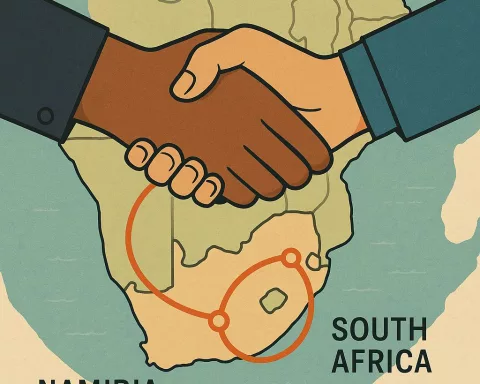
In a move that brings considerable relief to South African drivers, Finance Minister Enoch Godongwana has announced a freeze on fuel levies in the updated 2025 budget. Revealed on Wednesday, March 12, this decision has garnered attention from various news outlets such as Cape {town} Etc, aligning with Godongwana’s commitment to avoid increasing fuel levies despite the country’s challenging economic conditions.
Business Tech highlights that the revised budget confirms the general fuel levy (GFL) will stay the same for another year. This freeze also applies to the Road Accident Fund (RAF) levy and the customs and excise levy. Consumers, who had been expecting a potential rise in fuel levies, welcomed this news with relief. Many anticipated that the Treasury would raise fuel levies to compensate for the revenue shortfall created by the scrapped 2-percentage-point VAT increase.
Godongwana emphasized that maintaining the current fuel levies would provide around R4 billion in tax relief for motorists. This measure aims to counterbalance the expected impact of the proposed VAT increase. Although the two-percentage-point VAT hike was abandoned, the National Treasury has proposed a gradual increase of one percentage point. Thus, the VAT will rise to 15.5% in 2025 and then to 16% in 2026.
Historical Context and Immediate Implications
The decision to maintain stable fuel levies follows a freeze that has been in place since April 2022, addressing concerns about skyrocketing fuel prices. However, not all fuel-related taxes will remain unchanged. Motorists will face a rise in the carbon fuel levy by 3 cents per litre (cpl) starting April 2025. This change aligns with South Africa’s efforts to mitigate climate change.
Additionally, the Treasury has announced that the carbon tax rate will increase from R190 to R236 per tonne of carbon dioxide equivalent, effective January 1, 2025. Consequently, the carbon fuel levy will adjust from 11cpl to 14cpl for petrol and from 14cpl to 17cpl for diesel, as mandated by the Carbon Tax Act of 2019.
This announcement holds significant historical weight in South Africa’s economic landscape. The country has long struggled with high fuel prices, imposing a substantial burden on its citizens. Historically, fuel levies have been a vital revenue stream for the government. However, these levies also contribute to the financial strain experienced by South African drivers. By freezing the general fuel levy, Godongwana aims to offer short-term relief without undermining long-term fiscal health.
Economic Strategy and Consumer Impact
This strategy reflects a balanced approach, reminiscent of classical economic theories that advocate for a mix of supply-side and demand-side interventions. The minister’s decision to keep fuel levies steady while adjusting the carbon tax is a nuanced move. It addresses immediate consumer concerns while aligning with global efforts to combat climate change.
Consumers, particularly those from middle-income brackets, stand to benefit significantly from this decision. Their disposable incomes, already stretched by inflation and other economic pressures, will experience some relief. Although partial, this relief aligns with the broader narrative of economic inclusivity and social justice.
Global Trends and Environmental Responsibility
It is crucial to consider the global perspective on carbon taxes. Many countries have implemented carbon taxes to reduce greenhouse gas emissions and encourage sustainable practices. South Africa’s decision to raise the carbon fuel levy aligns with these global trends. By doing so, the nation reaffirms its commitment to environmental sustainability, a critical issue in the face of escalating climate change challenges.
The nuanced approach taken by Godongwana also highlights the interplay between national fiscal policies and global environmental imperatives. Balancing these often conflicting priorities requires a delicate and informed approach. The minister’s decision reflects a keen awareness of this intricate balance.
The broader economic context is also vital. Like many other nations, South Africa has faced significant economic challenges in recent years. The COVID-19 pandemic exacerbated these issues, leading to increased unemployment and economic uncertainty. In this context, the decision to provide tax relief to motorists by freezing fuel levies is a strategic move to stimulate economic activity and offer much-needed relief to consumers.
Anecdotal Impact and Cultural Dimensions
Anecdotal evidence from South African motorists paints a vivid picture of the decision’s impact. Many drivers, especially those who rely on their vehicles for their livelihoods, have expressed relief at the news. For them, the freeze on fuel levies means a tangible reduction in operating costs, allowing them to allocate resources to other essential expenses.
Moreover, the decision to implement the VAT increase gradually rather than all at once reflects a cautious and considered approach. This gradual increase aims to balance the need for additional revenue with the necessity of minimizing the financial burden on consumers. By doing so, the government demonstrates a commitment to fostering economic stability while addressing fiscal needs.
One cannot overlook the artistic and cultural dimensions of this decision. The economic relief provided by the freeze on fuel levies may enable more South Africans to engage with cultural and artistic activities. Historically, economic hardships have often limited access to such experiences. By easing the financial burden on consumers, the government indirectly supports the cultural and artistic life of the nation, fostering a more vibrant and inclusive society.
Finance Minister Enoch Godongwana’s announcement to freeze fuel levies in the revised 2025 budget marks a significant and strategic move in South Africa’s economic landscape. This decision provides immediate relief to motorists while reflecting a nuanced approach to balancing fiscal policies with global environmental imperatives. As South African motorists breathe a sigh of relief, this decision’s broader implications resonate across economic, social, and environmental dimensions, highlighting the intricate interplay between national policies and global trends.
“`markdown
FAQ on the Fuel Levy Freeze for South African Motorists
What does the freeze on fuel levies mean for South African motorists?
The freeze on fuel levies means that there will be no increases in general fuel, Road Accident Fund, or customs and excise levies for the upcoming year. This decision will provide around R4 billion in tax relief to consumers, easing their financial pressure amidst ongoing economic challenges.
Why did Finance Minister Enoch Godongwana decide to freeze fuel levies?
Minister Godongwana decided to freeze the fuel levies to provide immediate financial relief to motorists. This move comes in light of economic difficulties exacerbated by factors such as inflation and the COVID-19 pandemic, allowing families to save and manage their expenses more effectively.
Will there be any changes to other fuel-related taxes?
Yes, while the general fuel levies will remain unchanged, there will be a slight increase in the carbon fuel levy. Starting April 2025, the carbon levy will rise by 3 cents per litre, aligning with South Africa’s efforts to combat climate change. The carbon tax rate will also increase from R190 to R236 per tonne of carbon dioxide equivalent.
How does the freeze on fuel levies help consumers?
By freezing fuel levies, the government helps alleviate the financial burden on consumers, particularly those in middle-income brackets. This tax relief allows families to redirect their limited disposable incomes towards other essential expenses, thereby supporting economic activity and stability.
What are the broader implications of this decision?
The freeze on fuel levies reflects a balanced approach to addressing both economic needs and environmental responsibilities. While it provides short-term relief for motorists, it also supports South Africa’s commitment to sustainability through the gradual increase of the carbon fuel levy, aligning with global trends in climate action.
How might this decision impact cultural and artistic engagement in South Africa?
The relief from fuel levies may enable more South Africans to participate in cultural and artistic activities, as financial constraints often limit access to such experiences. By easing the economic burden, the government indirectly supports the vibrant cultural life of the nation and fosters a more inclusive society.
“`