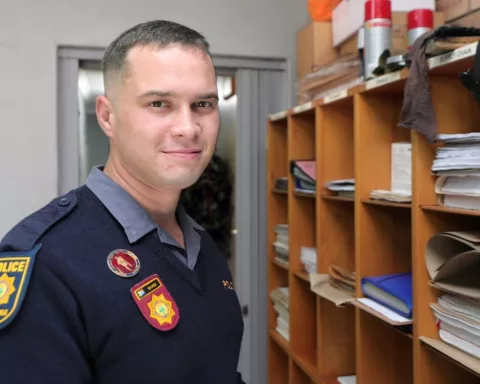

South Africa’s National Commemoration Day pays tribute to fallen police officers who risked their lives for public safety. The ceremony, held at the Union Buildings in Pretoria, honors heroes and heroines who made the ultimate sacrifice, reminding South Africans of the constant threats faced by the police force. The Acting President of South Africa, H.E. Shipokosa Paulus Mashatile, challenges the police force to reassess their strategies and strengthen the police-to-population ratio to combat crime. The ceremony concludes with a moment of silence, honoring the bravery of the fallen officers and a call to action for the living officers.
What is South Africa’s National Commemoration Day?
South Africa’s National Commemoration Day pays tribute to the fallen men and women of the South African Police Service (SAPS). The ceremony honors the exceptional individuals who made the ultimate sacrifice for public safety. The event serves as a stark reminder of the incessant threats faced by the police force. The Acting President of South Africa, H.E. Shipokosa Paulus Mashatile, presides over the ceremony and challenges the police force to reassess their strategies to combat crime and strengthen the police-to-population ratio.
Commemorating the Brave
The South African Police Service (SAPS) National Commemoration Day, held at the majestic Union Buildings in Pretoria, evokes profound sorrow and deep admiration. It pays tribute to the fallen men and women of SAPS, heroes and heroines who selflessly risked their lives for the purpose of public safety. This poignant event, presided over by the Acting President of South Africa, H.E. Shipokosa Paulus Mashatile, memorializes the exceptional individuals who made the ultimate sacrifice.
The grief of this ceremony reverberates not just among the families of the deceased officers, but throughout South Africa. It serves as a stark reminder of the incessant threats faced by our police force. Fearless and unyielding criminals, undeterred by the law and its enforcers, have caused the tragic demise of 39 police officers in the financial year of 2023/2024 alone.
However, these valiant individuals were more than mere statistics to be tallied and mourned. They were spouses, parents, siblings, children, and often the primary providers for their families. Each loss signifies not only an assault on our law enforcement but a devastating blow to the families and communities that relied on these courageous souls.
Challenges and Changes
Mashatile, on behalf of the South African government, extends his deepest condolences. He assures the bereaved families that the memory of their loved ones will be eternally honored on the SAPS Wall of Remembrance at the Union Buildings, a testament to their bravery and dedication. Nonetheless, the question remains: is this sufficient?
Mashatile challenges the Police Minister, Mr. Senzo Mchunu, and the National Commissioner of the SAPS, General Fannie Masemola, to reassess their strategies. The depth of the problem becomes increasingly apparent; the fight against crime cannot proceed as usual while losing a significant number of officers. The clarion call for remaining officers is clear: they must carry on the fight.
In this rallying cry, the Acting President underscores the significance of tenacity and resilience. Officers must stand firm against adversity and tirelessly strive for justice. Positive strides are being made, as demonstrated by the Directorate for Priority Crime Investigations, also known as the Hawks. Their tireless efforts from April to June this year resulted in the arrest of 18 suspected police killers and subsequent sentencing to a combined 139 years in prison.
The Way Forward
Despite these victories, the statistics remain chilling. Since 2021, 140 police officers have lost their lives in the line of duty. This alarming figure is not merely worrisome; it demands swift and decisive action. As Mashatile declares, an attack on SAPS equates to an attack on the state, akin to treason. It’s imperative that the police force is strengthened to respond promptly and decisively when under threat, without hesitation or fear.
However, the challenge goes beyond merely thwarting attacks on the police. The police-to-population ratio in South Africa must be increased to meet the United Nations’ recommended ratio of one officer for every 220 people. This requires not only reinforcing the existing force but also recruiting additional officers.
The government’s duty doesn’t end with addressing the immediate crisis. It’s crucial to address internal problems such as low morale, criminal activities involving SAPS members, and outdated infrastructure. Additionally, crime prevention should be seen as a shared responsibility, with communities collaborating with the police to identify and apprehend criminals through robust Community Policing Forums.
Looking Ahead
Despite the grim reality of three murders per hour in South Africa, Mashatile commends SAPS for their commitment to the families of deceased officers. The South African Police Service Education Trust (SAPSET) provides for the educational needs of the children of officers who died in the line of duty. A recent fundraiser raised R6.6 million, ensuring the continued education of the children of the 39 fallen officers.
However, Mashatile urges that more effort should be made for the living officers. He advocates for a re-evaluation of their incentives and compensation, in line with the daily risks they face. Furthermore, addressing the issue of career progression within SAPS is a priority, as it is disheartening to see officers with over 30 years of service still at lower ranks.
In essence, Mashatile’s speech serves to honor the bravery of the 39 fallen heroes and heroines, while issuing a call to action for the living officers. The fight against crime is a perpetual battle, with the police force playing a pivotal role in ensuring a safe and secure South Africa. The ceremony concludes with a moment of silence in tribute to the fallen officers, a collective prayer for peace and healing for their families. Their sacrifice is remembered, their legacy lives on, and the fight continues.
1. What is South Africa’s National Commemoration Day?
South Africa’s National Commemoration Day pays tribute to the fallen men and women of the South African Police Service (SAPS). The ceremony honors the exceptional individuals who made the ultimate sacrifice for public safety.
2. Who presides over South Africa’s National Commemoration Day?
The Acting President of South Africa, H.E. Shipokosa Paulus Mashatile, presides over the ceremony.
3. How many police officers have lost their lives in the line of duty since 2021?
Since 2021, 140 police officers have lost their lives in the line of duty.
4. What does Mashatile challenge the Police Minister and National Commissioner of the SAPS to do?
Mashatile challenges the Police Minister, Mr. Senzo Mchunu, and the National Commissioner of the SAPS, General Fannie Masemola, to reassess their strategies and strengthen the police-to-population ratio to combat crime.
5. What is the SAPSET and what is its purpose?
The South African Police Service Education Trust (SAPSET) provides for the educational needs of the children of officers who died in the line of duty. A recent fundraiser raised R6.6 million, ensuring the continued education of the children of the 39 fallen officers.
6. How does Mashatile advocate for the living officers?
Mashatile urges that more effort should be made for the living officers. He advocates for a re-evaluation of their incentives and compensation, in line with the daily risks they face. Additionally, addressing the issue of career progression within SAPS is a priority.