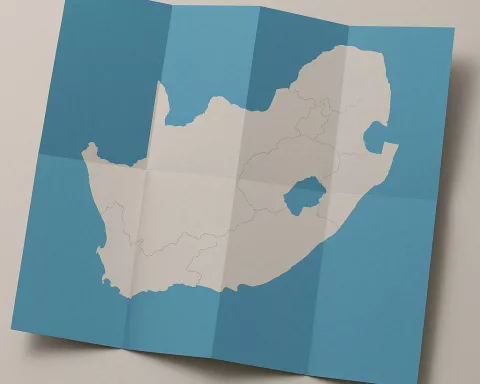

Resuming Full Operations: Overcoming Challenges in Western Cape Schools

1 min read
western cape education department santaco strike

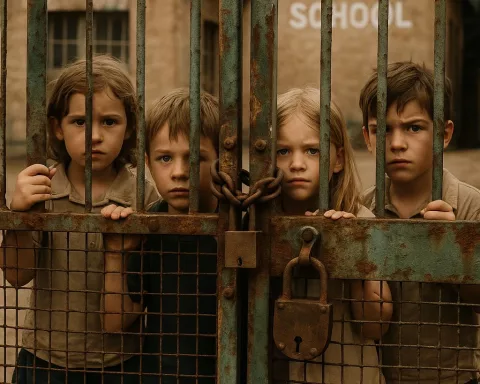
The recent South African National Taxi Council (Santaco) strike has posed significant challenges to the Western Cape Education Department. Over 852,000 economically disadvantaged students were unable to attend classes, and 17,000 staff members were unable to report to work during this period. As a result, the department has announced that all schools in the region will return to full operation on Monday.

Academic Performance Decline

The pandemic’s closure of schools has already caused a decline in academic performance across multiple grade levels. The strike further exacerbated this situation. The Western Cape region had previously allocated R1.3 billion over a three-year span to improve educational outcomes, but the recent disruption presented by the strike has hindered this progress, ultimately impacting students’ learning experiences.

Newsletter

Stay Informed • Cape Town

Get breaking news, events, and local stories delivered to your inbox daily. All the news that matters in under 5 minutes.

Join 10,000+ readers
No spam, unsubscribe anytime

Impact of the Strike on #BackonTrack Initiatives

The department’s #BackonTrack initiatives, designed to provide additional support and lessons for students recovering from the pandemic, also suffered as a result of the taxi strike. The cancellation of weekend tutoring programmes, which assist more than 14,000 students, further highlights the detrimental impact of the strike.

Urgency of Resuming Classroom Learning

David Maynier, the department’s provincial MEC, urged parents and guardians to ensure their children return to school promptly. Any additional delay could have devastating effects on students’ educational progress. As Western Cape schools resume full operations, the region’s united efforts to overcome unprecedented challenges serve as an inspiring example of commitment and determination in the face of adversity.

Gratitude for Educators’ and Staff Members’ Efforts

Maynier also expressed gratitude for the extraordinary efforts made by educators and staff members who stepped in to cover for their absent colleagues during the strike. The shared commitment of the Western Cape Education Department was emphasized, with Maynier praising the collective dedication to providing high-quality education to every child in every classroom across all schools in the province.

With students, educators, and staff all working towards a shared vision, the Western Cape Education Department is poised to continue building a brighter future for all its learners. The resumption of full operations in Western Cape schools is a critical step towards overcoming the challenges posed by the strike and the pandemic, and every effort must be made to ensure that students’ educational progress is not impeded.

Sarah Kendricks is a Cape Town journalist who covers the city’s vibrant food scene, from township kitchens reinventing heritage dishes to sustainable fine-dining at the foot of Table Mountain. Raised between Bo-Kaap spice stalls and her grandmother’s kitchen in Khayelitsha, she brings a lived intimacy to every story, tracing how a plate of food carries the politics, migrations and memories of the Cape.

Leave a Reply

Your email address will not be published.

Previous Story

Resolving the Controversy between City Officials and Santaco over Impounded Taxis in Cape Town

Next Story

Honoring the Memory of Two Learner Law Enforcement Officers in Cape Town

Latest from Blog

Forty Metres of Air: The Morning Kiteboarding Rewrote Physics

Hugo Wigglesworth, a young kiteboarder, defied gravity and rewrote the record books by soaring an incredible 40 meters into the air. He used powerful winds, a perfectly timed jump off a wave, and special gear to achieve this amazing feat. His careful planning and hundreds of practice runs made him fly higher than anyone before, showing the world what’s possible in kiteboarding.

Airbnb Under Fire: How Cape Town’s Housing Crunch Became a Tourism Blame-Game

Cape Town’s housing woes are NOT really Airbnb’s fault, even though a viral photo tried to blame them! The real problem is that not enough homes are being built, and lots of new people are moving to the city. Getting building permits takes forever, making homes expensive. Airbnb brings in lots of money and jobs, and even if all Airbnbs disappeared, it wouldn’t fix the big housing shortage. The city needs to build more homes and make it easier to do so, not just point fingers at tourists.

Cape Town’s Hottest Tables: Where Summer Tastes Like Salt, Smoke and Midnight Vinyl

Cape Town’s new restaurants are super exciting, offering amazing tastes from the ocean, farms, and even old recipes. Places like Amura serve unique sea dishes, while Tannin has a huge wine list and tiny plates. Café Sofi bakes heavenly pastries, Beach Buns makes awesome burgers, and Le Bistrot de JAN mixes French and South African flavors. These spots let you taste the city’s lively food scene, from fancy dinners to casual beach eats, making every meal an adventure.

Between Concrete and Current – Four Inland Hearts Meet the Indian Ocean

This article tells a beautiful story of four South Africans from inland places who see the Indian Ocean for the very first time. For many, the sea is just a picture, far away and hard to reach. But when these brave people finally touch the salty water, it changes them deeply. They feel the ocean’s power, taste its salt, and understand that this huge, blue world is now a part of their own story, breaking down old ideas about who can connect with the sea.