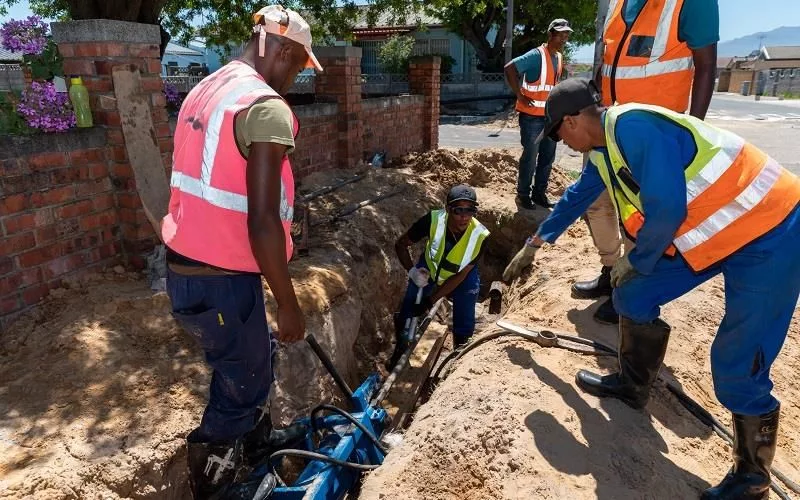
In July 2024, the city kicked off a big project to replace old water and sewer pipes, investing over R323 million to keep services running smoothly as more people move in. So far, they’ve swapped out 18,446 meters of water pipes and 41,030 meters of sewer pipes, bringing fresh life to neighborhoods like Hout Bay and Kommetjie. This effort not only fights leaks and overflows but also encourages residents to help protect water resources. As workers dig and install new pipes, they’re quietly building a better, more reliable future for everyone in the city, blending the old with the new.
What is the city’s pipe replacement program and its significance?
The city’s pipe replacement program, launched in July 2024, aims to upgrade aging water and sewer infrastructure to ensure reliable services as urban populations grow. With over R323 million invested, it has replaced 18,446 meters of water pipes and 41,030 meters of sewer pipes, fostering sustainable urban development.
The Heartbeat of Urban Progress
The bustling cityscape thrives on the unseen networks of water and sewer pipes that perform a crucial role in sustaining daily life. As urban populations swell and expand, these vital conduits face unprecedented pressure, necessitating robust infrastructural solutions. To counteract this strain, the city has embarked on an ambitious pipe replacement program designed to reinforce these aging systems, ensuring their reliability for future decades. Launched in July 2024, this initiative has already reached pivotal achievements, with the replacement of 18,446 meters of water pipes and 41,030 meters of sewer pipes. This program not only underscores a steadfast dedication to infrastructure upkeep but also highlights the essential balance between contemporary innovation and sustainable practices.
At the forefront of this initiative is the Water and Sanitation Directorate, which has committed over R323 million for the 2024/2025 fiscal year. The investment directly addresses the deteriorating state of infrastructure, a consequence of rapid urban densification. Older pipelines, overwhelmed by increased usage, often fail, leading to disruptive sewer overflows and frequent leaks. The city’s operational teams are actively replacing these outdated systems, navigating the urban landscape with urgency and precision.
October marked significant advancements in this journey, with the Directorate successfully replacing extensive water pipes in several neighborhoods, including Hout Bay, Kommetjie, and Bergvliet. A total of 5,982 meters of new pipes now run through areas such as Somerset West and Eerste River. Concurrently, parts of Constantia and Plumstead witnessed the replacement of 12,781 meters of sewer pipes, further cementing the city’s dedication to sustainable infrastructure solutions.
A Strategy Beyond Maintenance
What sets this program apart is its comprehensive approach that transcends simple maintenance tasks. The city’s broader strategy aims to drastically reduce water loss by installing modern, efficient pipelines, thus minimizing the waste typically associated with older systems. This initiative aligns with a community-centric ethos, encouraging residents to actively report leaks and participate in conservation efforts, thereby nurturing a culture of sustainability.
Councillor Zahid Badroodien, a passionate proponent of enhanced water and sanitation services, emphasizes the importance of this infrastructural work. He advocates for maintaining system reliability to prevent service disruptions for residents. His vision resonates in a metropolis where historical preservation meets modern advancement, as traditional neighborhoods integrate with cutting-edge innovations.
The city’s pipe replacement efforts reflect a broader historical narrative, intertwining the story of urban development with the evolution of infrastructure. Much like ancient Rome’s aqueducts that exemplified engineering excellence, today’s municipalities invest in critical underground networks. While these modern systems remain largely invisible, their significance is undeniable. The current project continues this legacy, highlighting the persistent necessity for robust infrastructure amid ongoing transformation.
Drawing Parallels: Art and Infrastructure
This infrastructural initiative finds parallels in the world of art, particularly in movements like Impressionism and Cubism from the 19th and 20th centuries. These movements redefined aesthetic boundaries and embraced change, mirroring the city’s approach to upgrading its infrastructure. As pipes are seamlessly integrated beneath the city, they echo art’s ability to subtly yet profoundly reshape the world.
The city’s pipe replacement program, rooted in practicality, also prompts reflection on the essence of urban life. The steady rhythm of progress, punctuated by the sounds of excavation and installation, serves as a reminder of the delicate balance between tradition and innovation. This methodical work is guided by historical necessity and a vision for the future.
Collaboration emerges as a central theme in this landscape. The success of the Directorate relies heavily on partnerships – not only with contractors and engineers but also with the residents who endure temporary inconveniences. This collective effort symbolizes a shared commitment to enhancing the city’s infrastructure, one pipe at a time.
Envisioning Sustainable Urban Growth
Beyond its technical focus, the project invites contemplation on broader issues of urban expansion. Modern cities grapple with distinct challenges such as increased density, ecological concerns, and effective resource management. The city’s proactive approach – investing in infrastructure and fostering community engagement – serves as a model for sustainable urban development.
As the project advances toward its objectives, its impact becomes increasingly tangible. With 36% of water pipes and 41% of sewer pipes already replaced, the city steadily moves towards its ambitious benchmarks. This progress fuels a sense of accomplishment and optimism, highlighting the efficacy of strategic planning and diligent execution.
In the grand narrative of urban life, infrastructure projects often remain unnoticed. Yet, they form the backbone of a thriving metropolis, ensuring that residents enjoy uninterrupted services. The current pipe replacement initiative exemplifies this crucial role, merging necessity with foresight.
The synchronized movements of diggers and workers, while seemingly routine, embody a deeper significance: the relentless pursuit of progress. As new pipes settle beneath the streets, they symbolize a promise of reliability and resilience. The city’s vision – rooted in preserving and enhancing its infrastructure – unfolds quietly, shaping the future while honoring the past.
This undertaking, though grounded in the practicalities of engineering and urban planning, speaks to a larger narrative. It narrates a city’s journey to harmonize progress with preservation, ensuring that its unseen lifelines continue to support life and growth for generations to come.
“`markdown
What is the city’s pipe replacement program and its significance?
The city’s pipe replacement program, launched in July 2024, aims to upgrade aging water and sewer infrastructure to ensure reliable services as urban populations grow. With over R323 million invested, it has replaced 18,446 meters of water pipes and 41,030 meters of sewer pipes, fostering sustainable urban development.
Why was the pipe replacement program initiated?
The program was initiated in response to the aging infrastructure that has been under unprecedented pressure due to rapid urban densification. Older pipelines often fail under increased usage, leading to sewer overflows and frequent leaks. This project is crucial for maintaining service reliability and preventing disruptions for residents.
Which neighborhoods have benefited from the pipe replacement efforts?
Significant advancements have been made in neighborhoods such as Hout Bay, Kommetjie, Somerset West, Eerste River, Constantia, and Plumstead. These areas have seen the replacement of extensive lengths of both water and sewer pipes, contributing to improved local water management.
How does the city plan to reduce water loss through this program?
The city aims to drastically reduce water loss by installing modern, efficient pipelines. This proactive approach is designed to minimize the waste typically associated with older systems, ensuring a more sustainable use of water resources and encouraging community participation in conservation efforts.
What role do residents play in the success of the pipe replacement initiative?
Residents play a crucial role in the success of the initiative by actively reporting leaks and participating in conservation efforts. This community-centric ethos fosters a shared commitment to enhancing the city’s infrastructure, as their involvement helps nurture a culture of sustainability.
What are the long-term benefits of this pipe replacement program for the city?
The long-term benefits include enhanced reliability of water and sewer services, reduced water loss, and improved urban sustainability. By investing in modern infrastructure, the city is not only addressing current challenges but also preparing for future growth and ensuring that its lifelines support the community for generations to come.
“`