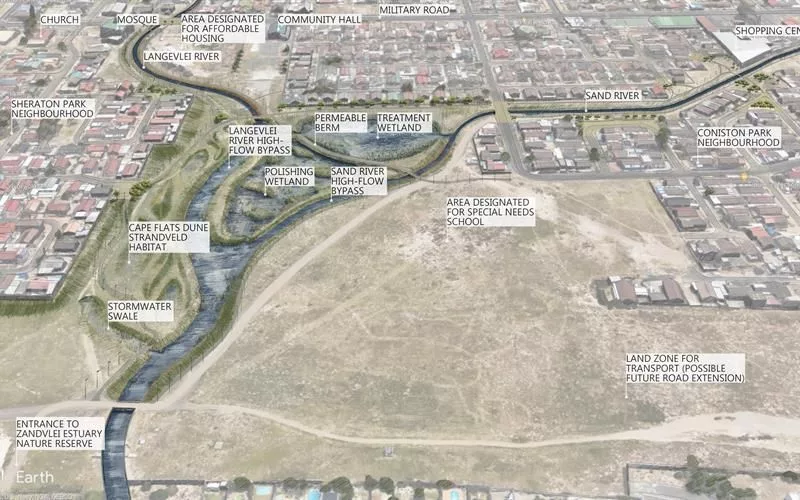
The Sand and Langevlei Canals restoration in Cape Town is a big effort to clean up and bring life back to tired wetlands. By removing mud and trash, and planting native plants, the project aims to improve water quality, reduce flooding, and welcome back frogs, birds, and fish. Local people are helping shape the plan, making sure the canals become a lively green space for everyone. This work is not just about fixing nature – it’s about creating a fresh, healthy place where city and wildlife can thrive together.
What is the Sand and Langevlei Canals restoration project in Cape Town?
The Sand and Langevlei Canals restoration aims to improve water quality, reduce flooding, and revive wetland ecosystems by dredging silt, removing debris, and reintroducing native plants. It combines engineering, environmental protection, and community involvement to restore biodiversity and create vibrant urban green spaces.
Rediscovering a Vital Waterway
Nestled in the wetlands of the Cape Peninsula, a sweeping transformation is underway at the meeting point of the Sand and Langevlei Canals. The area, glimmering under the subdued light of winter, exudes an air of promise and evolution. Historically, planners designed these channels to combat urban flooding and carry away stormwater. Yet today, the canals stand ready for a new chapter – one that places environmental health and community well-being at its core. The Western Cape Department of Environmental Affairs and Development Planning recently approved a pivotal restoration effort, signaling a broader movement towards balancing urban demands with the rhythms of the natural world.
This shift in priorities arrives after decades in which the [Zandvlei catchment area ](https://capetown.today/zandvlei-estuary-a-treasure-worth-preserving-in-cape-town/)mirrored the changing fortunes of surrounding neighborhoods. The canals’ convergence not only moves water through a complex web of wetlands but serves as a living archive of local history. Many residents remember angling along the banks as children, before expanding roads and housing estates altered the landscape. Starting in the mid-1900s, city engineers – motivated by modernization, much like their counterparts along Europe’s grand rivers – straightened and deepened the canals to improve flow and mitigate floods. While these interventions initially addressed pressing urban needs, they also brought unforeseen ecological consequences.
The ecosystem’s health soon began to falter. Stormwater swept silt and urban debris into the canals, leading to clogged channels and declining water quality. Frogs, crabs, and waterbirds grew scarce as their habitats shrank and deteriorated. The wetlands, once natural buffers against flooding, could no longer absorb heavy rains as efficiently. These changes reflected a tension seen worldwide: the drive for progress can sometimes sideline the delicate processes that sustain vibrant, biodiverse environments. Now, as planners revisit the area with new insights and priorities, they look to harmonize urban infrastructure with the needs of nature.
Securing Environmental Approval
The restoration effort gained momentum in March 2025, when Cape Town’s Water and Sanitation Directorate submitted a comprehensive Basic Assessment Report. This document outlined the project’s environmental considerations, in accordance with South Africa’s National Environmental Management Act (NEMA), which requires thorough scrutiny and open dialogue with stakeholders. The subsequent Environmental Impact Assessment (EIA) process, a product of decades of environmental policy evolution, involved rigorous scientific evaluation and invited public input.
By June 2025, the project cleared a crucial hurdle: it received formal environmental authorization from regulatory authorities. This decision brought together meticulous research, adherence to legal standards, and the democratic principle of involving affected parties. Councillor Zahid Badroodien, who oversees Water and Sanitation for the city, hailed the approval as a “major step towards the project becoming a reality.” His remarks highlighted the dual nature of the undertaking – it is both a technical challenge and a source of hope for the community. The plan aims to significantly reduce silt and litter, rejuvenate critical wetland zones, and foster the return of diverse aquatic species. At its heart, the initiative seeks to bridge the needs of a growing city with a renewed commitment to environmental stewardship.
Engineering Renewal and Ecological Recovery
Restoring the confluence of the Sand and Langevlei Canals will require significant yet carefully executed intervention. Project planners intend to dredge, excavate, and remove over 10 cubic meters of accumulated material from the area where the canals meet. This process, though temporarily disruptive, seeks to revive natural water flow and create the right conditions for wetland vegetation and wildlife to return. The effort takes cues from successful river restoration projects in Europe, where balancing technical precision with ecological sensitivity has produced lasting improvements in river health.
Carrying out these works will test the skills of both engineers and ecologists. The team must extract silt and debris without harming the remaining plants and animals that still inhabit the waterway. To minimize harm, the plan calls for phased dredging, allowing wetland plants to reestablish themselves between stages. Temporary barriers – such as silt curtains – will contain stirred-up sediment and protect water quality downstream. Experience from similar projects suggests that once water clarity improves, native plants can take root, attracting insects, fish, and birds back to the rejuvenated habitat.
The design goes beyond engineering fixes. It offers an opportunity to reintroduce native plant species, stabilize riverbanks, and create pockets of shallow water that attract wading birds and amphibians. As the ecosystem recovers, experts anticipate a chain reaction: cleaner water supports richer vegetation, which in turn provides food and shelter for a wider array of wildlife. The vision echoes successful transformations of urban waterways around the world, demonstrating that even highly modified landscapes can support thriving ecological communities.
Community Involvement and Inclusive Planning
Community engagement has anchored every phase of the project. Before finalizing the assessment report, city officials sought feedback from residents, neighborhood organizations, and anyone with a stake in the wetlands’ future. Through public workshops and written submissions, locals shared concerns about potential noise, access limitations during construction, and impacts on favorite gathering spots. Many also offered imaginative suggestions, such as new walking paths, birdwatching hides, and educational displays to spark children’s curiosity about wetland life.
This spirit of shared decision-making borrows from the tradition of participatory design, which has shaped urban planning since the 1970s. By inviting a diverse array of voices into the process, organizers hope to cultivate a deep sense of ownership among community members. The project’s long-term success will depend not just on technical execution, but on active involvement by local residents. The city encourages people to help monitor water quality, document wildlife sightings, and care for new plantings – creating a culture of joint stewardship.
Such engagement transforms the restoration from a top-down intervention into a collaborative venture. Residents become partners in shaping their environment, reinforcing social ties and building resilience. The approach aligns with leading theories of “co-production” in public services: when communities participate directly, outcomes tend to be more robust, enduring, and widely supported.
Promising Benefits for Nature and Community
The anticipated rewards of the restoration extend well beyond the immediate area. By intercepting silt and urban debris before they reach Zandvlei, the project aims to prolong the health and productivity of the entire wetland system. Clean water supports a greater diversity of plants and animals – including species of conservation concern like the Cape clawless otter and various migratory waterbirds. The site could soon rival other celebrated Cape Town wetlands, such as Rondevlei and Zeekoevlei, as a destination for bird watchers and nature enthusiasts.
Reducing flood risk carries practical advantages for local residents. Wetlands function as natural reservoirs, absorbing and slowly releasing rainwater. This buffering capacity becomes increasingly valuable as climate change and rapid urbanization raise the risk of flash floods. Historical accounts from the Cape region reveal a long struggle with flooding, shaping everything from colonial-era water management to today’s sophisticated stormwater systems. Strengthening these natural defenses safeguards both property and public safety.
The project’s vision extends beyond ecological repair. It aims to create inviting green spaces where recreation, learning, and nature converge. The transformation of once-overlooked infrastructure into vibrant public places draws inspiration from international successes – such as New York City’s High Line or the restored Cheonggyecheon Stream in Seoul. If fully realized, the confluence of the Sand and Langevlei Canals could emerge as a signature feature in Cape Town’s network of urban green spaces, offering lasting benefits for all who visit or reside nearby.
Reflecting on the Past, Building for the Future
The ongoing restoration of the Sand and Langevlei Canals marks more than just an environmental milestone. It reflects a growing recognition of the need to rethink how cities interact with nature. In the early 1900s, city builders often believed they could control water with straight lines and concrete walls. Today, a new generation of planners and residents sees value in working with natural processes rather than against them.
This project embodies that evolving perspective. By blending state-of-the-art environmental assessment, community input, and forward-thinking design, the city sets an example of urban environmentalism adapted for the 21st century. The restoration draws inspiration from movements that view landscape intervention not merely as a technical task, but as a creative and restorative act.
Stroll along the banks today and you’ll witness this evolving story in action. Kingfishers flit above the water, children explore the edges of the canal, and workers carefully prepare the site for its transformation. The scene reflects both a respect for the area’s history and optimism for its future – a place where expertise and community energy join forces, and where water, ever persistent, charts a renewed and hopeful course through the heart of Cape Town’s wetlands.
What is the Sand and Langevlei Canals restoration project?
The Sand and Langevlei Canals restoration is a comprehensive effort in Cape Town to improve water quality, reduce flooding, and revive the wetland ecosystem. It involves dredging accumulated silt, removing trash, and reintroducing native plants to restore biodiversity. The project blends engineering solutions, ecological restoration, and strong community involvement to create vibrant green urban spaces where people and wildlife can thrive together.
Why is restoring the Sand and Langevlei Canals important?
Over decades, urbanization and engineering interventions like canal straightening led to clogged waterways, poor water quality, and habitat loss for species such as frogs, birds, and fish. The wetlands’ natural ability to absorb floodwaters diminished, increasing flood risk. Restoring these canals helps reestablish natural water flow, improve ecosystem health, reduce flooding, and enhance biodiversity – all vital for a sustainable urban environment and community well-being.
How will the restoration work be carried out without harming existing wildlife?
The restoration is carefully planned to minimize ecological disturbance. It includes phased dredging to gradually remove silt, allowing wetland plants to regrow between stages. Temporary barriers like silt curtains will contain sediment and protect downstream water quality. Ecologists and engineers will work together to preserve remaining flora and fauna while creating conditions that encourage native species to return and flourish.
What role does the local community play in this project?
Community involvement is central to the project’s success. Residents and local groups have provided input through public workshops and consultations, influencing aspects like construction impact management and post-restoration amenities (e.g., walking paths, birdwatching hides). The city encourages ongoing community participation in monitoring water quality, reporting wildlife, and caring for new plantings, fostering a shared sense of stewardship and ownership.
What environmental approvals and assessments were required for the project?
The project underwent a thorough Environmental Impact Assessment (EIA) process in line with South Africa’s National Environmental Management Act (NEMA). This included detailed scientific studies, stakeholder engagement, and public input. In June 2025, the project received formal environmental authorization from regulatory authorities, ensuring that environmental, social, and legal considerations meet stringent standards before work begins.
What benefits can residents and wildlife expect after the restoration is complete?
Residents will benefit from reduced flood risk as restored wetlands better absorb and manage stormwater. The improved habitat will attract diverse wildlife, including migratory waterbirds and species of conservation concern like the Cape clawless otter. The canals will become lively green spaces for recreation, education, and nature appreciation, enhancing quality of life and supporting Cape Town’s broader network of urban wetlands and parks.
If you want to learn more or get involved, check local city updates and community workshops on the Sand and Langevlei Canals restoration!