The Lower Church Street Bridge in Cape Town will undergo in-depth maintenance for six months, beginning on Thursday, 22 June 2023, aimed to improve its safety and operational standards. The repair project’s timetable is set for Monday to Friday, with working hours from 09:00 to 15:00, and extended on Saturdays from 08:00 to 15:00. The restoration plan includes enhancing the bridge’s aesthetics and functionality, and the city has proposed several traffic adjustments to facilitate the ongoing construction. This initiative symbolizes the city’s resilience and steadfast commitment to progress and growth.
When will the Lower Church Street Bridge in Cape Town undergo maintenance?
The Lower Church Street Bridge in Cape Town will undergo in-depth maintenance beginning on Thursday, 22 June 2023, and wrapping up on Wednesday, 31 January 2024. The repair project’s timetable is set for Monday to Friday, with working hours from 09:00 to 15:00, and extended on Saturdays from 08:00 to 15:00.
A Transformational Undertaking: The Restoration Plan
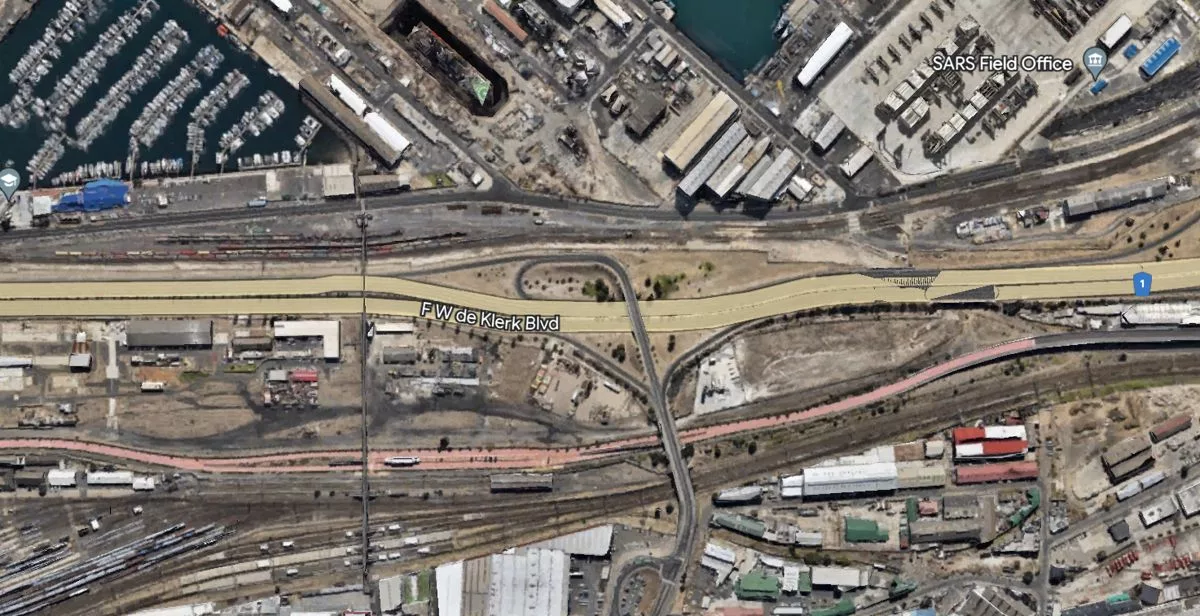
Cape Town’s urban terrain is poised for a significant change which includes a meticulous overhaul of one of its key conduits. The Urban Mobility Directorate of the City of Cape Town revealed on 18 June 2023 that the Lower Church Street Bridge, a vital link over the N1 in Woodstock, will undergo in-depth maintenance. This project, embodying a spirit of restoration, is scheduled for a six-month timeline, beginning on Thursday, 22 June 2023, and wrapping up on Wednesday, 31 January 2024.
The repair project’s timetable is set for Monday to Friday, with working hours from 09:00 to 15:00, and extended on Saturdays from 08:00 to 15:00. The directorate is also prepared to work on Sundays if needed and authorized, reflecting their dedication to efficiently accomplishing this vital mission.
The Process: Not Just Function, but Form
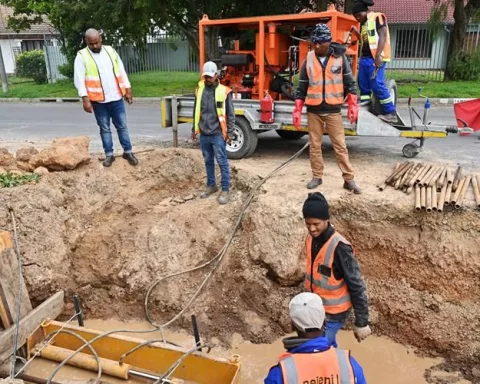
The repair’s scope extends beyond improving functionality to enhancing the bridge’s aesthetics. This twofold strategy will revitalize both the top and the undercarriage—the soffits—of the deck above the N1 freeway. The exhaustive list of restorations includes mending or substituting worn-out balustrades, installing precast concrete handrails, and addressing concrete and structural flaws on beams and pillars. Moreover, a protective layer will be applied to the exposed concrete elements to avert further deterioration, embodying the city’s dedication to sustainable urban growth.
To facilitate the ongoing construction, the city has proposed several traffic adjustments along FW de Klerk Boulevard (N1). The changes include lowering traffic speed limits to 60km/h during construction, temporarily closing lanes, and implementing a Stop-and-Go system. The city may also introduce a temporary road closure at Lower Church Street if required.
Challenges and Commitment: The City’s Perspective
Rob Quintas, the city’s Mayoral Committee Member for Urban Mobility, recognizes the bridge’s repair and revitalization as a significant challenge. He underscores that the project aims to improve the bridge’s safety and operational standards, which have been compromised due to various traffic incidents. Quintas noted that by embarking on this critical task, the city intends to combat the structural degradation caused by concrete spalling and theft, ensuring the structure is safer and more visually appealing for all road users and local businesses.
Quintas’s call for patience from the road users emphasizes not only the enormity of the task but also the city’s commitment to its infrastructure’s longevity. While six months may seem like a substantial duration, this period of rehabilitation symbolizes an investment in the city’s future, guaranteeing a safer, more efficient, and more attractive Lower Church Street Bridge.
Revitalization: A Symbol of Resilience and Progress
With this initiative, the City of Cape Town is doing more than merely repairing an aged bridge—it is breathing new life into a crucial civic artery, demonstrating the city’s unwavering dedication to enhancing its urban landscape. The restored Lower Church Street Bridge will serve as more than a functional piece of infrastructure. Rather, it will stand as a symbol of the city’s resilience and steadfast commitment to progress and growth.
What does the restoration plan entail for the Lower Church Street Bridge?
The restoration plan for the Lower Church Street Bridge includes in-depth maintenance aimed to improve its safety and operational standards, as well as enhancements to the bridge’s aesthetics and functionality. The repairs will address structural flaws on beams and pillars, substitute worn-out balustrades, and install precast concrete handrails. Additionally, a protective layer will be applied to exposed concrete elements to prevent further degradation.
Will traffic be affected during the repair project?
To facilitate ongoing construction, the city has proposed several traffic adjustments, including temporarily closing lanes, implementing a Stop-and-Go system, and lowering traffic speed limits to 60km/h during construction. The city may also introduce a temporary road closure at Lower Church Street if required.
Who is overseeing the repair project for the Lower Church Street Bridge?
The Urban Mobility Directorate of the City of Cape Town is overseeing the repair project for the Lower Church Street Bridge.
Why is the restoration project taking place?
The restoration project is taking place to combat the structural degradation caused by concrete spalling and theft, improve the bridge’s safety and operational standards, and enhance its aesthetics and functionality.
Who is the Mayoral Committee Member for Urban Mobility?
Rob Quintas is the Mayoral Committee Member for Urban Mobility.
What does the restored Lower Church Street Bridge symbolize for the City of Cape Town?
The restored Lower Church Street Bridge symbolizes the City of Cape Town’s resilience and steadfast commitment to progress and growth. It serves as an investment in the city’s future, guaranteeing a safer, more efficient, and more attractive civic artery.