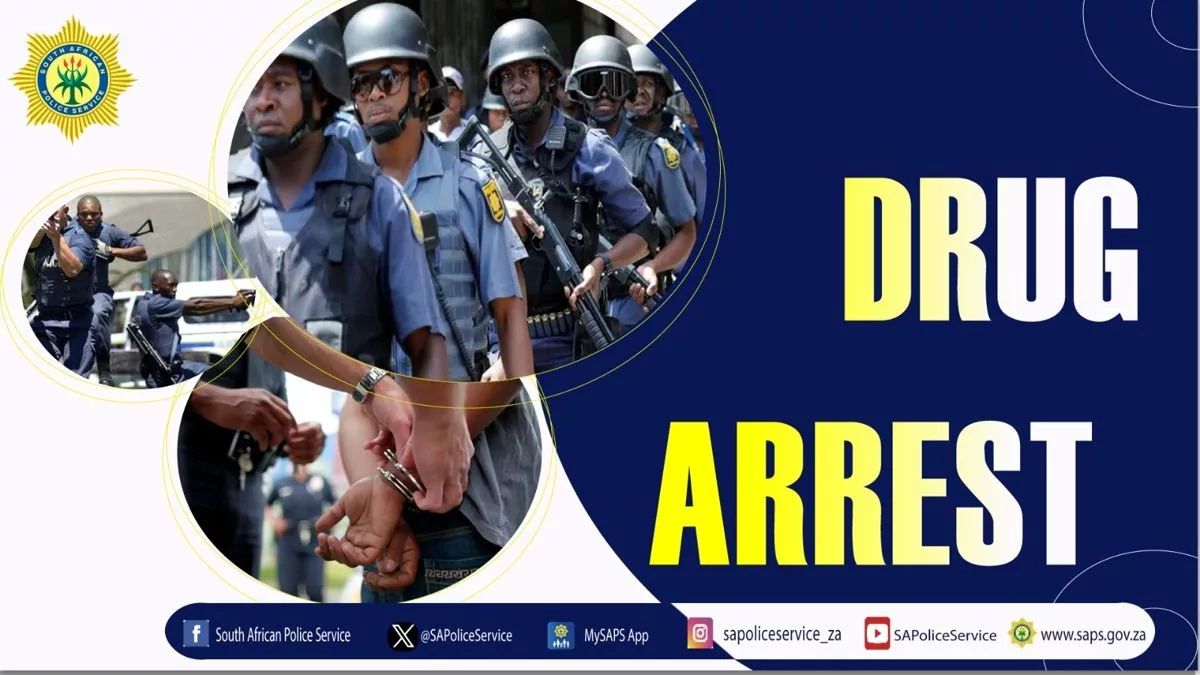
In a quiet neighborhood in Rietfontein, Gauteng, police discovered a hidden drug lab worth around R100 million, shocking local residents. This secret lab was busy making methamphetamine, a dangerous drug that can harm people and communities. A 39-year-old suspect was arrested, highlighting the serious issue of drug trafficking that can lurk even in peaceful areas. This discovery reminds us all of the need for strong community involvement and better strategies to fight against such hidden criminal activities. Together, we can create safer neighborhoods for everyone.
What was discovered in Rietfontein’s hidden lab?
Authorities uncovered a multimillion-rand drug laboratory in Rietfontein, Gauteng, valued at approximately R100 million. This operation, primarily producing methamphetamine, led to the arrest of a 39-year-old suspect and highlighted the pervasive nature of drug trafficking in seemingly quiet communities.
Discovery in the Heart of Gauteng
In the peaceful suburb of Rietfontein, located in Gauteng, South Africa, a shocking discovery disrupted the calm that residents had long cherished. The South African Police Service, renowned for their commitment to justice, uncovered a high-value clandestine drug laboratory valued at approximately R100 million. This discovery came to light on November 27, 2024, through a well-coordinated intelligence operation, revealing the unsettling presence of a sophisticated drug operation hidden within this seemingly quiet neighborhood.
The revelation was the result of extensive surveillance conducted by a dedicated team aiming to dismantle organized crime networks. This team combined efforts from the National and Provincial Organised Crime Investigations (Narcotics units), the National Counter Narcotics, and the Tactical Response Teams (TRT) from Diepsloot and Westrand, along with the West Rand K9 unit. Their collaboration highlights the importance of strategic unity and precision in combating the complex web of criminal activities that infiltrates communities.
Central to this discovery were various chemicals and drug manufacturing equipment strategically positioned for the production of methamphetamine, commonly known as Crystal Meth or Tik in South Africa. Methamphetamine is a potent stimulant with profound effects on individuals and communities, making it a focal point in discussions about narcotics. The laboratory’s presence in a suburban neighborhood starkly contrasts with the day-to-day lives of the unsuspecting residents, serving as a sobering reminder of the pervasive nature of the drug trade.
Arrest and Legal Proceedings
The operation led to the arrest of a 39-year-old Mexican national, now facing charges of drug manufacturing and dealing, along with accusations of violating the Immigration Act. This arrest sheds light on the international aspects of drug trafficking, underscoring how this global issue transcends borders and necessitates a coordinated international response. As the suspect prepares to appear before the Atteridgeville Magistrates Court, the legal proceedings aim to hold those accountable for their involvement in this illicit operation.
While the operation’s immediate success is clear, the broader implications of this discovery resonate beyond the confines of Rietfontein. Drug trafficking historically thrives in areas overlooked by authorities, exploiting geographical and socio-economic vulnerabilities. Rietfontein’s case mirrors a challenge faced by law enforcement worldwide: identifying and uprooting well-concealed criminal enterprises within communities.
The seizure of cash, suspected to be the proceeds from criminal activities, further exposes the economic factors sustaining such illegal operations. In this context, money represents the powerful economic incentives drawing individuals into the narcotics trade, despite the risks and legal consequences. This aspect of the drug trade highlights the lucrative allure that continues to ensnare individuals in its dangerous web.
The Broader Context of Drug Trafficking
Examining the historical context of drug trafficking reveals the legacy of the War on Drugs – a campaign from the late 20th century aimed at curbing illegal drug trade. Despite its intentions, this campaign has faced criticism for its focus on punitive measures rather than addressing root causes like addiction and poverty. The Rietfontein case serves as a poignant example, prompting policymakers and society to reconsider strategies and adopt comprehensive approaches involving education, rehabilitation, and community engagement.
Art and media provide a unique lens through which to view the complexities of the drug trade. Literature and cinema have long depicted the moral ambiguity and human struggles intertwined with this world. Films like “Traffic” and novels such as “Trainspotting” offer insights into the multifaceted issues surrounding drug-related activities, urging audiences to delve deeper into the human stories behind the headlines.
Community involvement emerges as a crucial factor in combating drug-related activities. Residents play a vital role in safeguarding their neighborhoods by alerting authorities to suspicious activities. Community programs focusing on awareness and support can create environments where illicit activities struggle to thrive, ultimately contributing to safer, more resilient communities.
A Call for Comprehensive Strategies
Reflecting on the events of the Rietfontein drug bust, we are reminded of the themes of justice, resilience, and the ongoing battle against organized crime. The narrative underscores the commitment of law enforcement agencies to protect communities while highlighting the need for multifaceted strategies addressing the root causes of the drug trade. Prioritizing prevention, education, and international collaboration is essential in striving for a future where clandestine operations become relics of the past.
The Rietfontein case not only represents a significant victory for law enforcement but also serves as a call to action for society at large. By embracing comprehensive strategies and fostering community involvement, we can work towards dismantling the structures that allow the drug trade to flourish. This approach will pave the way for a safer and more just world, where the shadows of such operations no longer loom over our neighborhoods.
FAQ: Rietfontein’s Hidden Lab
What was discovered in Rietfontein’s hidden lab?
Authorities uncovered a multimillion-rand drug laboratory in Rietfontein, Gauteng, valued at approximately R100 million. This operation primarily produced methamphetamine, leading to the arrest of a 39-year-old suspect and highlighting the pervasive nature of drug trafficking in seemingly quiet communities.
Who was arrested in connection with the drug lab?
A 39-year-old Mexican national was arrested during the operation. He is facing charges related to drug manufacturing and dealing, as well as accusations of violating the Immigration Act.
How did authorities uncover the hidden drug lab?
The discovery was made possible through extensive surveillance and a well-coordinated intelligence operation involving various law enforcement agencies, including the National and Provincial Organised Crime Investigations (Narcotics units) and the Tactical Response Teams (TRT).
What substances were being produced at the lab?
The lab was primarily focused on the production of methamphetamine, commonly known as Crystal Meth or Tik in South Africa, which is a potent stimulant with harmful effects on individuals and communities.
What are the broader implications of this discovery?
The Rietfontein case underscores the global issue of drug trafficking and the need for coordinated international efforts to combat it. It also highlights the socio-economic vulnerabilities that allow such operations to thrive, urging policymakers to adopt comprehensive strategies that address root causes like addiction and poverty.
How can the community help combat drug trafficking?
Community involvement is crucial in safeguarding neighborhoods. Residents can alert authorities to suspicious activities and participate in awareness programs that create environments where illicit activities struggle to thrive. Together, we can work towards safer, more resilient communities.