Shauna Rhoda bravely shared her story after surviving violent abuse by a police officer in South Africa. Instead of hiding her pain, she spoke out loudly, shining a light on the failures of the justice system and the deep roots of gender-based violence in her country. Her words sparked a wave of support online, connecting survivors and pushing for change. Shauna’s courage stands as a powerful call for justice, hope, and a future where no woman suffers in silence.
What is Shauna Rhoda’s story and impact in the fight against gender-based violence in South Africa?
Shauna Rhoda, a survivor of severe gender-based violence by a law enforcement officer, publicly shared her story to break silence and demand justice. Her courage highlights systemic failures, sparks community support, and fuels activism aimed at ending GBV and promoting accountability in South Africa.
Speaking Out in the Face of Trauma
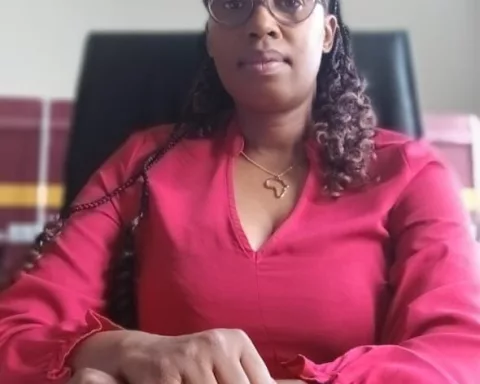
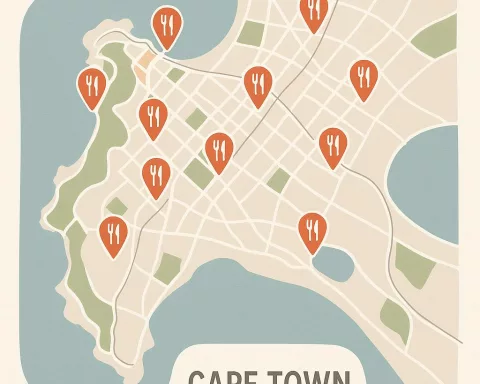
On a chilly July night in Strandfontein, the roar of the ocean winds carried more than just the sea’s brine—it carried the passionate voice of Shauna Rhoda. At 32, this mother resolved to share her account of survival, choosing both social media and video testimony to challenge a deeply ingrained crisis in South Africa: gender-based violence (GBV). Her voice, trembling but unwavering, pierced an atmosphere heavy with histories of violence and oppression, from the colonial era through apartheid and into the present day.
Shauna’s account began on Facebook, where she chronicled the torment she endured at the hands of her former partner, Troy Hadden, a City of Cape Town law enforcement officer. She held nothing back; her words painted a vivid image of years spent weathering physical, emotional, and sexual abuse. The pain she described reached a crescendo when, during a visit to retrieve her children’s clothing, she suffered a severe assault that left lasting scars. Instead of receding into the silence prescribed to so many survivors, Shauna transformed her pain into a rallying cry for recognition and justice.
Her struggle did not end with the physical assault. In the days that followed, the system delivered its own blows. She reported the crime, only to see her case dismissed due to “lack of evidence,” a verdict familiar to thousands of women in South Africa. “The evidence was on my face. I don’t know how there was not enough evidence,” she recounted, her voice quivering with disbelief. Authorities, including the City of Cape Town, pledged to investigate, but the promise of accountability felt hollow.
A System Under Scrutiny
Shauna’s ordeal underscores the difficulties survivors face when they turn to the justice system. After the brutal attack, she recounted details that would chill any listener: the assault happened in front of her ex-partner’s new girlfriend, she was choked until nearly unconscious, suffered fractures, and bled openly. Yet the authorities dismissed her case, undermining her hope for legal redress. The phrase “lack of evidence” rings like a cruel refrain, echoing the experiences of countless others who encounter disbelief and indifference from the very institutions meant to protect them.
The impact of these failures extends beyond individual cases. South Africa’s statistics on gender-based violence remain among the world’s highest. Every three hours, a woman in the country loses her life to violence, and many more endure abuse from partners each year. The legacy of institutional failure, carried over from apartheid’s injustices, continues to haunt the present. During apartheid, women led mass demonstrations, using their bodies and voices to oppose brutal systems. Today, the protests call for the end of femicide and GBV, but the spirit of resistance lives on in new forms.
Shauna’s alleged attacker, a law enforcement officer, represents another layer of complexity in the fight for justice. When those in power perpetrate violence, survivors encounter additional barriers. The social stigma still attached to GBV, intertwined with entrenched patriarchal values, forces many into silence or isolation. Shauna’s willingness to speak up, even against someone in authority, stands as a powerful act of resistance.
The Power of Community and Collective Action
The aftermath of Shauna’s public disclosure revealed the connective strength of modern technology. Her raw Facebook post quickly spread across social media, sparking outrage and compassion in equal measure. Messages of support poured in, from friends offering words of encouragement to strangers standing in solidarity. “Glad u out of that situation, shoo,” wrote Tina Adams, while others simply demanded greater awareness of GBV. Each comment, each digital gesture, contributed to a growing chorus that called for justice and systemic change.
This surge of support mirrors the grassroots activism that has long defined South African social movements. Decades ago, women marched against discriminatory pass laws, creating living monuments to resistance. Today, survivors mobilize through hashtags and viral posts, transforming private pain into public activism. Other women joined Shauna online, recounting their experiences and pressing for collective action. “Ladies, let’s stand together & make this go viral. No woman deserves this,” urged one supporter, channeling the communal energy of historical protests.
The importance of this network cannot be overstated. Abusers often rely on isolation to maintain control. By making her story public, Shauna broke this isolation, encouraging other survivors to step into the light. Each shared testimony chips away at the wall of silence, and with it, the structures that enable abuse to persist.
The Enduring Legacy of Activism and Art
Shauna’s fight does not happen in a vacuum. Across South Africa, grassroots organizations like Rape Crisis Cape Town Trust and Sonke Gender Justice push for reforms that center survivors’ needs. They campaign for improved police and judicial training, legislative changes, and better support services. Beyond legal battles, community groups organize workshops, marches, and creative projects that keep the conversation alive, ensuring the struggle against GBV remains visible and urgent.
Art and activism have always occupied a central place in South African resistance movements. From the writings of Nadine Gordimer to the songs and murals of contemporary protest, creative expression provides both solace and motivation. Shauna’s Facebook testimony, mixing confession with a demand for justice, taps into this tradition. She crafts her narrative as both art and activism—a digital call for solidarity and transformation.
August 9 looms large as South Africa prepares to mark Women’s Day, commemorating the 1956 march of 20,000 women to Pretoria in defiance of the pass laws. That moment changed the nation, demonstrating the unbreakable strength of collective female resistance. Shauna’s story, told through bruises and determined words, resonates as a modern echo of that powerful legacy.
Looking Forward: Towards Justice and Accountability
Despite the outpouring of support and activism, the path to justice remains fraught with obstacles. Survivors like Shauna Rhoda still face disbelief, hostile legal environments, and the deep-seated cultural stigma surrounding GBV. Courts often demand evidence that should be self-evident, and law enforcement officers sometimes shield perpetrators, particularly when they wear the same uniform. The broader context of inequality and historical injustice further complicates efforts to achieve accountability.
Yet, there are reasons to hope. South African society continues to evolve, with new generations of activists, artists, and community leaders refusing to accept the status quo. Marches against GBV, creative campaigns, and survivor-led initiatives all signal a shifting landscape. The digital era has amplified voices once silenced, allowing stories like Shauna’s to spark national conversations and demand real reform.
Shauna Rhoda’s willingness to speak publicly and demand justice places her within a long lineage of South African women who transform pain into purpose. Her message—“Share my story. Support survivors. Demand accountability”—serves as both a personal plea and a universal rallying cry. In standing against the silence that too often surrounds gender-based violence, she invites all of us to join her in forging a more just and compassionate society.
FAQ: Rising Beyond Silence – Shauna Rhoda’s Stand Against Gender-Based Violence
What happened to Shauna Rhoda, and why did she decide to share her story publicly?
Shauna Rhoda is a survivor of severe gender-based violence inflicted by her former partner, Troy Hadden, a City of Cape Town law enforcement officer. After enduring years of physical, emotional, and sexual abuse, including a brutal assault that left lasting injuries, she chose to break her silence by sharing her experience on social media and through video testimony. Her decision was driven by a desire to expose the pervasive issue of gender-based violence (GBV) in South Africa, challenge systemic failures in the justice system, and inspire other survivors to speak out.
How does Shauna’s story highlight the challenges faced by GBV survivors in South Africa’s justice system?
Despite clear physical evidence of assault, including fractures and visible injuries, Shauna’s case was dismissed by authorities citing “lack of evidence.” This reflects a widespread pattern in South Africa, where many survivors face disbelief, institutional indifference, and inadequate investigations, especially when perpetrators hold positions of power. Her story exemplifies how systemic failures, rooted in historical inequalities and cultural stigmas, often prevent survivors from obtaining justice.
What role does community support and social media play in fighting gender-based violence?
Community support and social media have been vital in amplifying Shauna’s story and connecting survivors nationwide. Her Facebook post quickly went viral, prompting thousands to offer solidarity, share their own experiences, and demand systemic change. Social platforms serve as powerful tools to break survivors’ isolation, foster collective action, and keep public attention on GBV issues—mirroring South Africa’s legacy of grassroots activism and protest.
How does Shauna Rhoda’s case reflect broader issues of power and accountability in South Africa?
Shauna’s alleged attacker was a law enforcement officer, which compounds the challenge of holding perpetrators accountable. When abusers are part of the systems meant to protect citizens, survivors face additional barriers like fear of retaliation, institutional cover-ups, and social stigma. This dynamic underscores the urgent need for reform within police forces and justice institutions to ensure transparency, accountability, and survivor-centered approaches.
What ongoing efforts exist in South Africa to address gender-based violence and support survivors?
Several grassroots organizations, such as Rape Crisis Cape Town Trust and Sonke Gender Justice, actively campaign for legal reforms, improved policing, survivor services, and public awareness. They organize workshops, advocacy campaigns, and artistic projects to maintain the visibility of GBV issues. South Africa’s vibrant culture of protest and creative activism continues to fuel these efforts, inspired by historic movements like the 1956 Women’s March against apartheid pass laws.
What message does Shauna Rhoda’s story send for the future fight against gender-based violence?
Shauna Rhoda’s courage in speaking out is a powerful call to action: to share survivor stories, support those affected, and demand accountability from institutions. Her testimony symbolizes resilience and hope, encouraging society to confront deep-rooted patriarchal norms and systemic injustices. While challenges remain, the growing activism and digital empowerment of survivors signal a promising path toward a safer, more just South Africa where no woman suffers in silence.