
The Western Cape Government is urging all drivers to stick to speed limits for everyone’s safety. With a long weekend coming up, they want everyone to drive carefully to avoid accidents and keep lives safe. Recently, speeding has become a big problem, with many fines issued and some drivers reaching dangerous speeds. The government reminds us that safe driving is crucial, not just during holidays but every time we get behind the wheel. Let’s all promise to drive responsibly, protect ourselves, and look out for others on the road!
What is the Western Cape Government urging motorists to do for road safety?
The Western Cape Government urges motorists to adhere to speed limits and practice responsible driving. Speeding increases accident risks and endangers lives. As the long weekend approaches, it’s vital for drivers to prioritize safety for themselves and all road users.
Rising Concerns Over Speeding
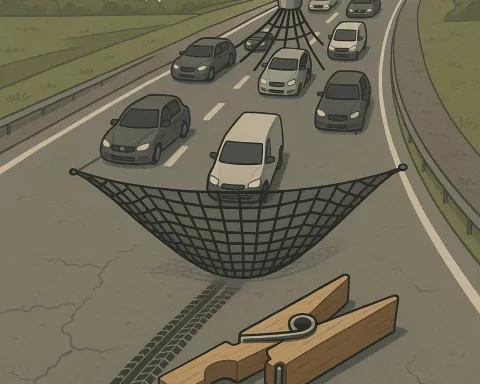
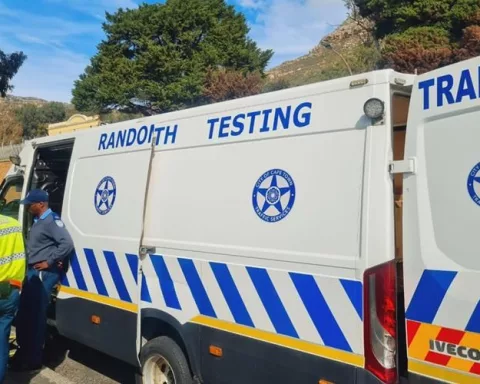
As the much-anticipated long weekend draws near, the Western Cape Government (WCG) has ramped up its efforts to ensure motorists abide by speed limits. Observations from Cape {town} Etc have underscored a troubling increase in instances of excessive speeding reported by law enforcement officials. In a single week, from March 10 to March 16, officers issued an alarming 200 speeding fines across the province. One egregious offender was apprehended traveling at 160km/h in a 120km/h zone. Excessive speeding persists as one of the most perilous factors on South African roads, often leading to life-altering crashes, severe injuries, and tragic fatalities. The WCG remains resolute in its stance that road safety must be a top priority for all motorists, particularly during peak travel times.
Isaac Sileku, the Minister of Mobility, has been vocal about the inherent dangers associated with speeding. Sileku emphasized, “Speeding not only escalates the risk of accidents but also diminishes reaction time, making it harder to avoid potential hazards. The greater the speed of a vehicle, the more forceful the impact in a collision, often resulting in catastrophic outcomes.” High-speed driving drastically reduces a driver’s ability to navigate sudden obstacles and shifting traffic conditions effectively. Additionally, it complicates the task of maneuvering through curves and maintaining vehicle stability, thereby increasing the danger for vulnerable road users such as pedestrians and cyclists.
Infrastructure and Enforcement: The Ongoing Challenge
Despite the Western Cape’s commendable road infrastructure and diligent around-the-clock enforcement operations, reckless behavior remains a significant issue. The WCG consistently underscores the importance of each motorist’s role in enhancing road safety. “We implore all drivers to be conscious of their speed, adopt responsible driving habits, and prioritize safety – not only during the long weekend but every single time they are behind the wheel,” the WCG reiterated.
The urgency of this cautionary appeal resonates even more profoundly as the long weekend typically heralds a surge in travel. Despite advancements in road infrastructure and stringent enforcement measures, the unpredictable nature of human behavior persists. The scenic routes of the Western Cape, celebrated for their breathtaking landscapes, also serve as a stark reminder of the delicate balance between natural beauty and potential danger. It’s not merely about protecting oneself but also about ensuring the safety of other road users, including pedestrians, cyclists, and fellow drivers.
This focus on road safety ties into a broader historical context regarding the evolution of transportation and its societal ramifications. From the era of horse-drawn carriages to the advent of the automobile, speed has been a double-edged sword. The quest for quicker travel has often clashed with the imperative for safety. This ongoing tension is particularly evident in the Western Cape’s current scenario, where modern, high-speed vehicles navigate roads originally designed for more leisurely travel.
Cultural Perspectives on Speed and Safety
Art and literature have long explored this dichotomy. Films such as Jean-Luc Godard’s “Weekend” illustrate the chaos and hazards inherent in modern travel, while works like Jack Kerouac’s “On the Road” celebrate the freedom and excitement of driving. These cultural references highlight the dual nature of driving, filled with both potential and risk.
The Western Cape’s call for responsible driving resonates with these broader themes. It is a plea to harmonize our desire for speed and efficiency with the necessity for caution and awareness. The holiday season, with its promise of relaxation and adventure, should not be overshadowed by preventable tragedies. The WCG’s message is unequivocal: every journey should be undertaken with a steadfast commitment to safety, for oneself and for everyone else sharing the road.
The Western Cape Government extends heartfelt wishes for safe travels to all holidaymakers. They urge drivers to prioritize care and consideration behind the wheel. This appeal goes beyond a bureaucratic directive; it is a sincere plea for the well-being of the community. The lives of our fellow citizens are at stake, as poignantly highlighted by Minister Sileku.
A Collective Responsibility
As we prepare to embark on our journeys, it is crucial to reflect on the collective responsibility we share. Every decision made on the road has far-reaching impacts on countless lives. The Western Cape, with its stunning vistas and vibrant communities, deserves our utmost efforts to preserve its beauty and ensure its safety. The long weekend presents an opportunity to appreciate the region’s splendor while committing to responsible driving.
Beyond the immediate call for caution, the WCG’s message also encourages us to contemplate the broader implications of our driving habits. Speeding is not merely a fleeting error but a reflection of wider societal attitudes towards risk and accountability. By adhering to speed limits and driving thoughtfully, we contribute to fostering a culture of safety and respect on the roads.
In summary, the Western Cape Government’s appeal for road safety underscores a critical issue confronting modern society. As we set out on our journeys this long weekend, let us pledge to drive responsibly. The lives of our fellow citizens depend on it, and the natural beauty of the Western Cape commands our respect and care. Safe travels to all, and may we all return home safely, enriched by the experience and committed to a culture of responsible driving.
The Western Cape Government’s plea for road safety is not just an administrative directive but a heartfelt appeal for community well-being. By taking this message to heart, we help ensure safer roads for everyone and contribute to a more mindful and responsible society.
FAQ on Road Safety in the Western Cape
What is the primary message from the Western Cape Government regarding road safety?
The Western Cape Government is urging all motorists to adhere to speed limits and practice responsible driving, especially as the long weekend approaches. They emphasize that speeding increases the risk of accidents and endangers lives, making it crucial for drivers to prioritize safety for themselves and all road users.
Why is there increased concern regarding speeding as the long weekend approaches?
With the long weekend leading to a surge in travel, the Western Cape Government has noted a troubling rise in speeding incidents. Law enforcement officials reported 200 speeding fines issued in just one week, highlighting that excessive speeding remains a significant cause of accidents, injuries, and fatalities on the roads.
What are the dangers associated with speeding?
Speeding not only escalates the risk of accidents but also reduces a driver’s reaction time, making it harder to avoid potential hazards. Higher speeds lead to more severe impacts during collisions, which can result in catastrophic outcomes, particularly for vulnerable road users like pedestrians and cyclists.
How does road infrastructure impact speeding and road safety?
Despite the Western Cape’s advanced road infrastructure and stringent enforcement operations, reckless driving remains a significant issue. The government stresses that every motorist has a role in enhancing road safety by being aware of their speed and adopting responsible driving habits, regardless of the quality of roads.
What cultural perspectives are linked to the message of road safety in the Western Cape?
The appeal for responsible driving resonates with broader cultural themes regarding the dual nature of speed and safety. Literature and film often explore the excitement and freedom of driving, but they also highlight the chaos and risks involved. The Western Cape Government’s message aims to harmonize the desire for speed with the need for caution and awareness.
How can motorists contribute to a culture of road safety?
Motorists can contribute to road safety by adhering to speed limits, practicing responsible driving, and being mindful of their impact on others. By understanding that every decision made on the road affects countless lives, drivers can help foster a culture of safety and respect, ensuring a safer environment for everyone on the road.