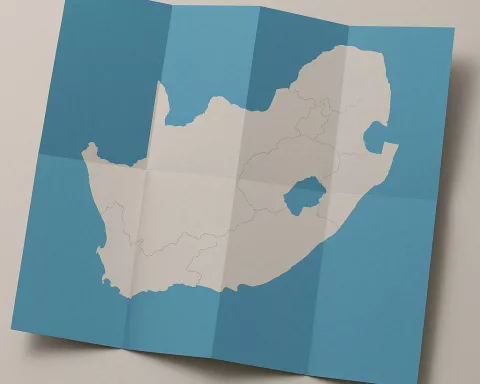

Robben Island, a symbol of South Africa’s journey to democracy, has recently captured the government’s attention. The government recognizes the island’s historical and cultural significance and plans to allocate increased funding for the island’s much-needed infrastructure maintenance. The move is aimed at preserving and revitalizing the World Heritage Site, which has been grappling with financial and governance challenges over recent years.
Importance of Robben Island
Sports, Arts and Culture Minister Zizi Kodwa announced the plans during a media briefing at the V&A Waterfront. Kodwa emphasized the importance of Robben Island as the “soul of South Africa’s democracy.” The island is renowned for housing anti-apartheid activists during their incarceration. The island’s museum has faced financial difficulties due to the coronavirus pandemic, resulting in salary cuts for staff in 2021. Additionally, signs of deterioration and governance issues were present even before the pandemic struck.
Increased Funding
In response to these concerns, the government raised the budget for infrastructure maintenance from R111 million in the previous fiscal year to R152 million. Kodwa’s visit to the island coincided with an update on the readiness for the Netball World Cup in Cape Town on July 28. He expressed satisfaction with the progress made so far and expressed hope that visitors attending the sporting event would also take the opportunity to explore the historical site.
Enhancements to Governance Structures and Management
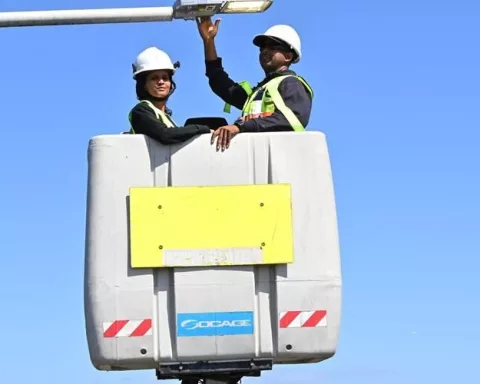
The revitalization effort includes enhancements to governance structures and management. The Department of Public Works and Infrastructure has joined the mission, with Deputy Minister Bernice Swarts representing the department at the briefing. Swarts emphasized the need for all stakeholders to “put their hands on deck” and collaborate in preserving the island and its properties, which are under government ownership.
Swarts acknowledged that Robben Island’s infrastructure required better maintenance, noting that the Department of Public Works and Infrastructure had not adequately maintained the site. A series of follow-up visits for infrastructure assessments are planned as part of the department’s involvement in the project.
Anticipated Budget Fluctuation
The budget increase for maintenance is anticipated to fluctuate, taking into account factors such as climate and the island’s proximity to water, which may impact the overall cost. Despite these challenges, the commitment to preserving and revitalizing Robben Island reflects the government’s recognition of its historical and cultural value. This initiative serves as a crucial step toward ensuring this invaluable symbol of South Africa’s democracy is preserved for future generations to learn from and appreciate.
A Testament to South Africa’s Resilience and Progress
As visitors from around the world come to the island, they will witness firsthand the tireless efforts being made to maintain this significant site. The government’s commitment to revitalizing Robben Island not only safeguards its history but also allows future generations to learn about the struggles and sacrifices made by those who fought for freedom and democracy. The ongoing revitalization efforts, combined with collaboration among stakeholders, will ensure that Robben Island remains a testament to South Africa’s resilience and progress.