SASSA is changing how social grants are given in South Africa by using new technology like biometric checks to make sure only the right people get help. This helps stop fraud but means many must visit offices for reviews, causing long lines and stress for some. Payment dates have also shifted for those under review, urging people to update their information quickly. While these changes aim to improve fairness and efficiency, challenges remain for those without easy tech access or who live far from service points. SASSA’s goal is to balance smart systems with care, so no one loses the support they need.
How is SASSA transforming social grant distribution in South Africa?
SASSA is enhancing social grant distribution by verifying recipients through advanced technology, introducing biometric checks, and changing payment schedules. These measures aim to reduce fraud, ensure only eligible beneficiaries receive grants, and improve efficiency while addressing challenges like digital exclusion and administrative delays.
Rising to the Challenge of Verification
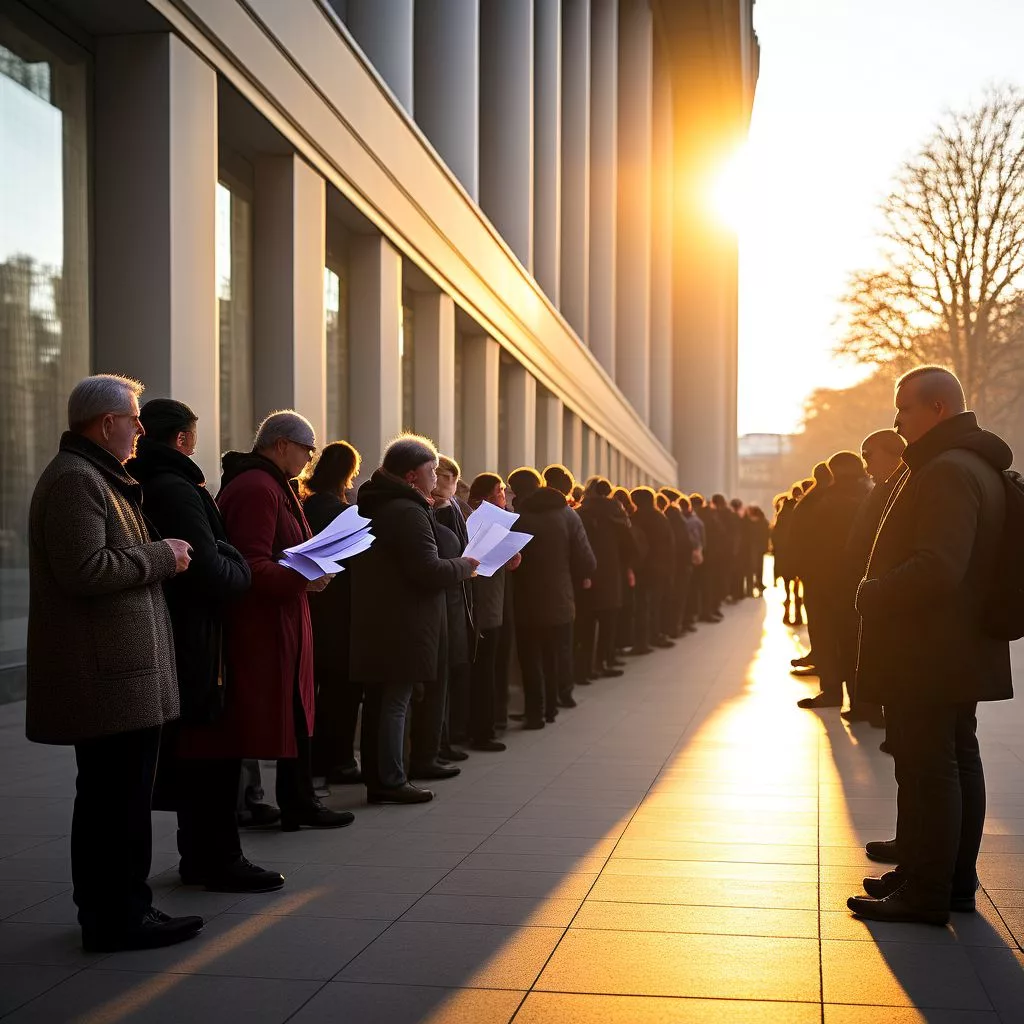
Early mornings at SASSA offices across South Africa reveal long lines of individuals, each with their own story and struggles. Among them, people like Thandi—responsible for the care of her grandchildren—wait with a folder full of paperwork, anxious about the process ahead. These scenes have become increasingly common as SASSA embarks on an ambitious campaign to verify and review grant recipients, a move that is changing the landscape of social assistance in the country.
South Africa’s grant system is massive, providing critical support to over 18 million citizens. The South African Social Security Agency (SASSA) manages grants ranging from child support to pensions for the elderly. This lifeline for millions emerged from the nation’s post-apartheid commitment to address deep-seated inequalities. However, with such a vast network, ensuring that only those who truly qualify receive these benefits has always been a daunting task.
Recent directives from the National Treasury have accelerated SASSA’s efforts to combat fraud and reinforce the integrity of grant distribution. The agency now uses advanced technology to cross-check monthly incomes, accessing both government and banking databases. This year alone, SASSA flagged around 210,000 grants for potential irregularities, sending out SMS notifications that instruct recipients to attend in-person reviews. This added layer of scrutiny is meant to safeguard taxpayer money, but it also introduces new pressures and anxieties for recipients, many of whom already lead precarious lives.
Navigating a Strained System
The administrative demands of this overhaul are unprecedented. Although SASSA has always conducted annual reviews, the current scale—aimed at 300,000 recipient reviews in just one year—has stretched the agency’s capacity. At many offices, lines spill onto city sidewalks before dawn, and staff struggle to process the influx. Recipients describe the ordeal of waiting hours, sometimes only to be turned away, frustrated by a lack of clear communication or missed notifications.
Several factors contribute to these logistical hurdles. Many grant recipients have changed their contact details without notifying SASSA, resulting in missed SMS alerts. Others may lack the technological know-how to use new digital verification systems. Complaints have prompted the agency to extend office hours, hire more staff, and explore self-service solutions. In some offices, beneficiaries will soon have access to kiosks or can use their mobile phones for identity verification, including a “selfie” feature that matches faces to official records.
However, this digital transformation comes with challenges. Only those with South African Smart ID cards are eligible for biometric verification, which means older individuals and those in rural areas—often the most vulnerable—could be left behind. Civil society groups have raised concerns about digital exclusion, emphasizing that technology must not replace human support, especially for the less digitally literate.
In the midst of these sweeping changes, SASSA has also introduced a significant shift in its payment schedule. Traditionally, grants were paid out over the first three days of each month. Now, recipients flagged for review receive their payments on a “fourth payment date,” after SASSA has completed additional eligibility checks. The agency insists this modification does not suspend grants; rather, it signals to recipients that they need to take prompt action to ensure continued support.
This adjustment has multifaceted effects. On one hand, it serves as a gentle nudge for recipients to update their information and comply with review requirements. On the other, for many who rely on punctual payments, even a short delay can create hardship. SASSA’s leadership, including CEO Themba Matlou, maintains that the agency has not canceled any grants without due process. Instead, recipients who ignore review requests face suspension or, after three months, complete termination of their benefits.
The new payment cycle echoes international trends in social welfare administration, where real-time data and flexible payment schedules help agencies target fraud while minimizing disruption for genuine beneficiaries. Yet, the transition has not been smooth. Confusion persists among many recipients, some of whom learn about their changed status only after missing a payment. Others, however, appreciate the agency’s efforts to ensure that grants reach the right people, citing cases where individuals continued to receive money despite securing employment.
Voices from the Field and Reflections on the Welfare State
As SASSA’s transformation unfolds, feedback from recipients and advocates provides valuable insight. Organizations such as the Universal Basic Income Coalition support the shift toward digital solutions but warn that not all recipients are prepared for these changes. Many lack access to reliable technology, and the documentation requirements can prove prohibitive. For those living far from SASSA offices, a day spent traveling for a review often means lost income or additional financial strain.
Recipients express a blend of relief and concern. Some are grateful for the chance to clarify their eligibility and maintain benefits, while others fear that procedural barriers will jeopardize their only means of support. SASSA officials emphasize their commitment to clear communication, noting the agency’s expanded use of SMS campaigns and public outreach. According to Matlou, “We are determined to serve the most vulnerable and ensure no beneficiary is left behind.”
These challenges are not unique to South Africa. The tension between efficiency and empathy has long shaped welfare systems worldwide. The evolution of social security—whether in postwar Britain, the United States, or contemporary South Africa—reflects ongoing debates about dignity, fairness, and social responsibility. Artists such as Ken Loach have depicted the struggles of individuals navigating bureaucratic systems, a theme that resonates deeply in SASSA’s crowded waiting rooms.
Moving Forward: Balancing Technology and Humanity
South Africa’s social grant system stands at a crossroads. SASSA’s embrace of technology and more rigorous verification holds promise for reducing fraud and maximizing resources. Yet, the agency must remain alert to the risk of alienating those most in need, especially as complex procedures and digital barriers multiply.
Every grant applicant who visits a SASSA office carries unique hopes and fears, shaped by the realities of poverty, unemployment, and family life. As the agency modernizes, it must center transparency and compassion, ensuring that innovations do not come at the cost of trust or accessibility.
Ultimately, the success of SASSA’s transformation will depend not just on algorithms or new payment dates, but on its ability to listen to beneficiaries and adapt to their needs. By combining technological advancement with a renewed commitment to service, SASSA can continue to provide the vital support that millions of South Africans depend upon—ensuring that the promise of social protection remains a living reality for all.
FAQ: SASSA’s Shift in Social Grant Distribution
1. How is SASSA changing the way social grants are distributed in South Africa?
SASSA is transforming social grant distribution by implementing biometric verification systems and advanced technology to confirm the identity and eligibility of recipients. This includes biometric checks (such as fingerprint or facial recognition) and cross-referencing government and banking databases to reduce fraud. Additionally, payment schedules for those under review have shifted to a later “fourth payment date,” encouraging timely updates and verifications. These changes aim to ensure grants reach only eligible beneficiaries while improving efficiency.
2. Why are some social grant recipients required to visit SASSA offices in person?
Recipients flagged for potential irregularities—such as inconsistencies in income or outdated information—must attend in-person reviews to verify their eligibility. SASSA sends SMS notifications instructing beneficiaries to come to designated offices for biometric checks and documentation updates. This process, while necessary to combat fraud, has led to long queues and stress for many, especially those with limited access to technology or transport.
3. What challenges do recipients face due to SASSA’s new verification processes?
Many recipients experience difficulties such as:
- Long waiting times at offices with insufficient staff.
- Missed SMS notifications due to outdated contact details.
- Limited access to or unfamiliarity with digital tools required for biometric verification.
- Travel burdens for those living far from service points.
- Delays in payments caused by the new review and “fourth payment date” system.
SASSA is mitigating these issues by extending office hours, hiring more staff, and introducing self-service kiosks and mobile verification options, but challenges remain, particularly for vulnerable and rural communities.
4. What happens if a grant recipient does not comply with the review requests?
If recipients ignore SASSA’s review requests, their social grant payments are initially suspended after the missed review. If non-compliance continues for three months, the grant may be completely terminated. However, SASSA emphasizes that no grants are canceled without due process, and beneficiaries have opportunities to update their information and restore payments.
5. How does the new payment schedule work for recipients under review?
Traditionally, social grants were paid out during the first three days of each month. Under the new system, recipients undergoing a review receive payments on a later “fourth payment date” once eligibility checks are complete. This delay is intended as a prompt for beneficiaries to comply with verification processes, not as a suspension. While it helps prevent fraud, it can cause hardship for those relying on timely payments, highlighting the need for prompt communication and support.
6. How is SASSA addressing issues of digital exclusion and accessibility?
Recognizing that not all recipients have access to or familiarity with digital technologies, SASSA is balancing biometric and digital innovations with in-person support. Measures include:
- Maintaining physical offices for face-to-face assistance.
- Expanding SMS and public outreach campaigns to improve communication.
- Introducing self-service kiosks and mobile phone verification options.
- Hiring additional staff and extending operating hours.
Civil society groups stress that technology should complement, not replace, human support to ensure vulnerable populations—especially the elderly and rural residents—are not marginalized.
For more information or assistance, recipients are encouraged to contact their nearest SASSA office or visit the official SASSA website.