Science and Innovation: Investing in Job Opportunities and Renewable Energy

1 min read
science and innovation job opportunities

The Department of Science and Innovation (DSI) has increased its budget to R10.9 billion for the 2023/24 financial year, demonstrating its commitment to the Science, Technology, and Innovation (STI) Decadal Plan. Minister of Higher Education, Science, and Innovation, Dr. Blade Nzimande, stressed the importance of utilizing STI to create job opportunities and enhance renewable energy development.

Expanding Early-Stage Development for South African Firms

Nzimande announced the scaling up of the Innovation Fund to support early-stage development and expansion of technology-based South African firms and increase gross domestic investment in research and development as a percentage of GDP, aiming for the National Development Plan’s target of 1.5%.

Newsletter

Stay Informed • Cape Town

Get breaking news, events, and local stories delivered to your inbox daily. All the news that matters in under 5 minutes.

Join 10,000+ readers
No spam, unsubscribe anytime

Transitioning to Renewable Energy

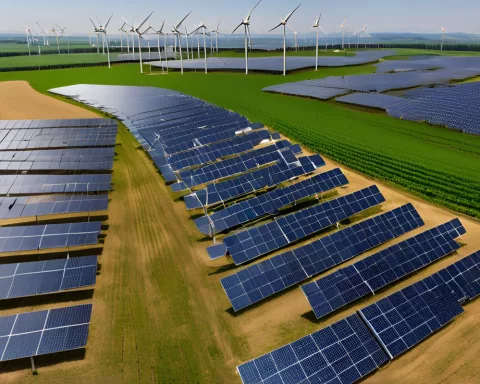
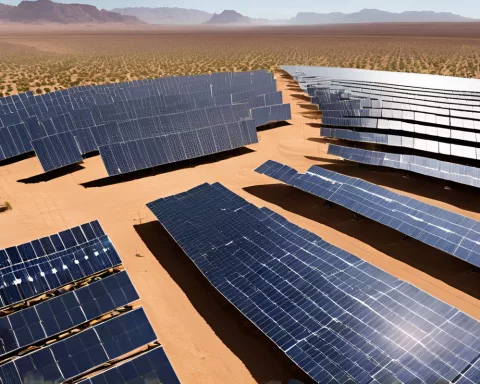
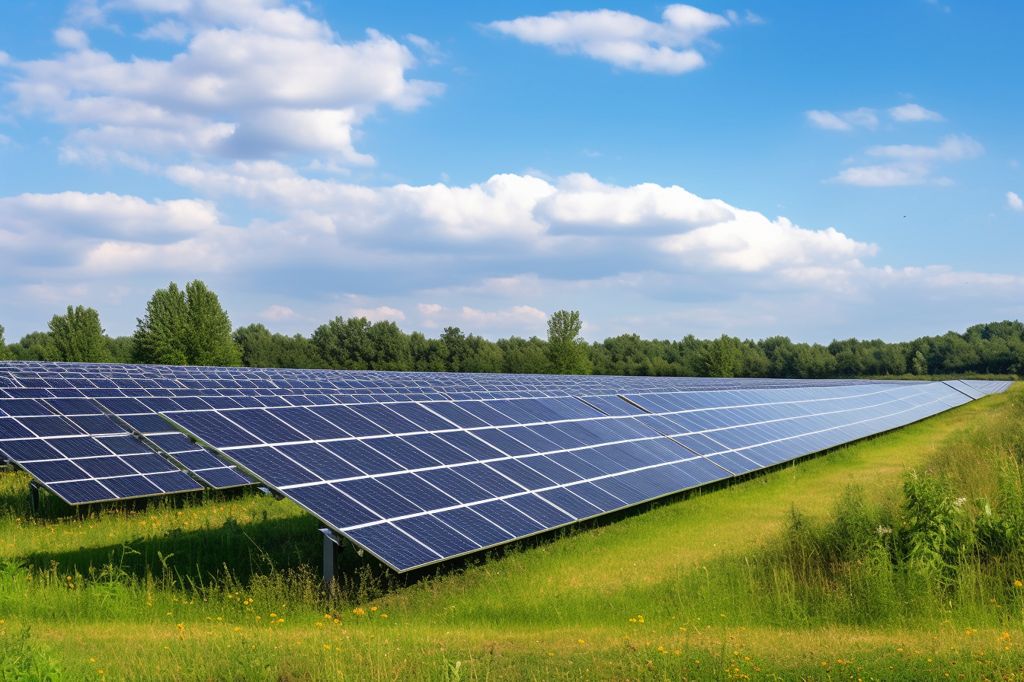
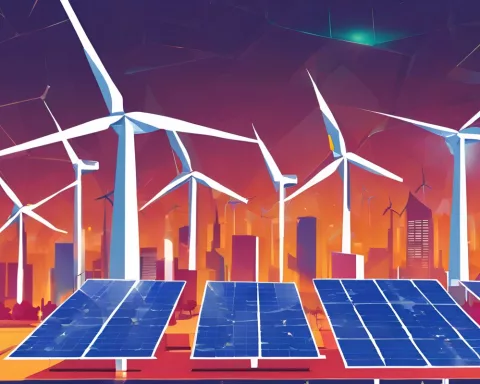
To address energy security and transition from a carbon-intensive economy to a carbon-neutral one, the Department will continue implementing the Hydrogen Society Roadmap, and invest in carbon capture and utilization technology through projects like CoalCO2-X. Additionally, the Department is finalizing its masterplan for a national solar research facility to support the development, commercialization, and deployment of solar-based technologies for application in power and fuel sectors.

Promoting a Circular Economy

The DSI is working on developing a circular economy STI roadmap to reduce reliance on scarce resources and increase disposable income, utility, convenience, and living conditions. The Department has launched the Circular Economy Demonstration Fund, which will be implemented by the Council for Scientific and Industrial Research (CSIR).

Investing in Health Innovations

The DSI is actively involved in developing medical devices, diagnostics, and supporting health needs through a vaccine research, development, and manufacturing strategy. The local mRNA vaccine technology transfer hub will continue to receive support from the DSI to diversify vaccine manufacturing and accelerate vaccine production in Africa through a consortium led by the World Health Organization.

Human Capital Development and Youth Entrepreneurship

Deputy Minister of Higher Education, Science, and Innovation, Buti Manamela, emphasized human capital development in all DSI programs, supporting 5,643 honours and master’s students, and 2,527 PhD students in 2021/22. The DSI aims to award 12,000 PhD bursaries in the 2019-2024 Medium-Term Expenditure Framework (MTEF). The Department also supports STI as a catalyst for youth entrepreneurship through initiatives like the Cannabis Industrialization Master Plan, which has supported product development in 20 small, medium, and micro-enterprises (SMMEs) in the previous financial year.

Indigenous Knowledge Protection and Promotion

The DSI is actively developing the indigenous knowledge program to protect and promote the country’s indigenous knowledge systems. Around 300 students have graduated in this field, and there are plans to increase the number of universities offering this qualification.

The Department of Science and Innovation is committed to using science, technology, and innovation to grow South Africa and address its challenges. The focus on job opportunities, renewable energy, and health innovations illustrates the Department’s commitment to creating a better future for the country and its people.
A Russian-Spanish journalist and Cape Town native, channels his lifelong passion for South Africa into captivating stories for his local blog. With a diverse background and 50 years of rich experiences, Serjio's unique voice resonates with readers seeking to explore Cape Town's vibrant culture. His love for the city shines through in every piece, making Serjio the go-to source for the latest in South African adventures.

Leave a Reply

Your email address will not be published.

Previous Story

President Cyril Ramaphosa and the Pursuit of Global Social Justice

Next Story

Celebrating Youth and Women’s Innovations at AU-EU Innovation Festival

Latest from Blog

Mandeville Canyon’s Violent Dawn: The Reiner Murders That Shook Hollywood

Hollywood power couple Rob and Michele Reiner were brutally murdered in their fancy Mandeville Canyon home. They were found with many stab wounds, turning their peaceful house into a scary crime scene. Police are looking closely at Michele’s nephew, Caleb Singer, because they found a hatchet in his bag. This shocking event has left everyone wondering if old online fights led to this terrible act.

Twin Peaks, Twin Rescues: One Scorched Western Cape Afternoon

Two dramatic mountain rescues unfolded in the Western Cape on a scorching afternoon. First, an elderly British hiker suffered severe heatstroke on “The Oven” trail and was airlifted to safety. Soon after, a young engineer broke his ankle in the treacherous Witels Canyon, requiring a daring winch rescue. These events highlight how extreme heat and more visitors are making mountain rescues more common, stressing the need for preparation and quick responses.

Redberry Farm Unpeeled: A 24-Hectare Love Letter to Strawberries, Steel and Stories

{“text”: “Redberry Farm is not just a farm; it’s a magical place where strawberries, steel, and stories come alive! You’ll see a giant gate that \”breathes\” and hear whispers of tales to come. The farm grows delicious strawberries using clever tricks like special scents and tiny \”beebots\” to help them get super sweet. You can even stay in unique rooms or get lost in a huge maze, all while the farm uses smart tech to make sure everything is good for the earth and full of flavor. It’s a place that never truly sleeps, always working to bring you the best, sweetest stories and strawberries.”}

From SABC to SARS: South Africa’s Leap Toward a Streaming-Age Public-Media Levy

South Africa is ditching its old TV license for a new, smarter way to fund public media by 2027. Instead of paying for a TV, everyone will pay a small, regular amount, like a household bill, collected by SARS. This change aims to give the SABC steady money to keep telling our stories and sharing news, even if we watch on phones or computers. It’s a big leap from dusty old TVs to the modern streaming world, making sure public broadcasting stays alive and well for everyone.

When Gold Turns to Groceries: The Afterlife of a 1995 Springbok Medal

Adriaan Richter, a 1995 Springbok rugby hero, had to auction his World Cup medal because life tackled him hard. After business dreams crashed and debts piled up, that shining medal became his last hope. It wasn’t just gold; it was a lifeline, sold to cover his children’s school fees and keep his family afloat. This onceproud symbol of victory became a stark reminder of life’s tough scrums, showing how even a hero’s glory can turn into groceries.