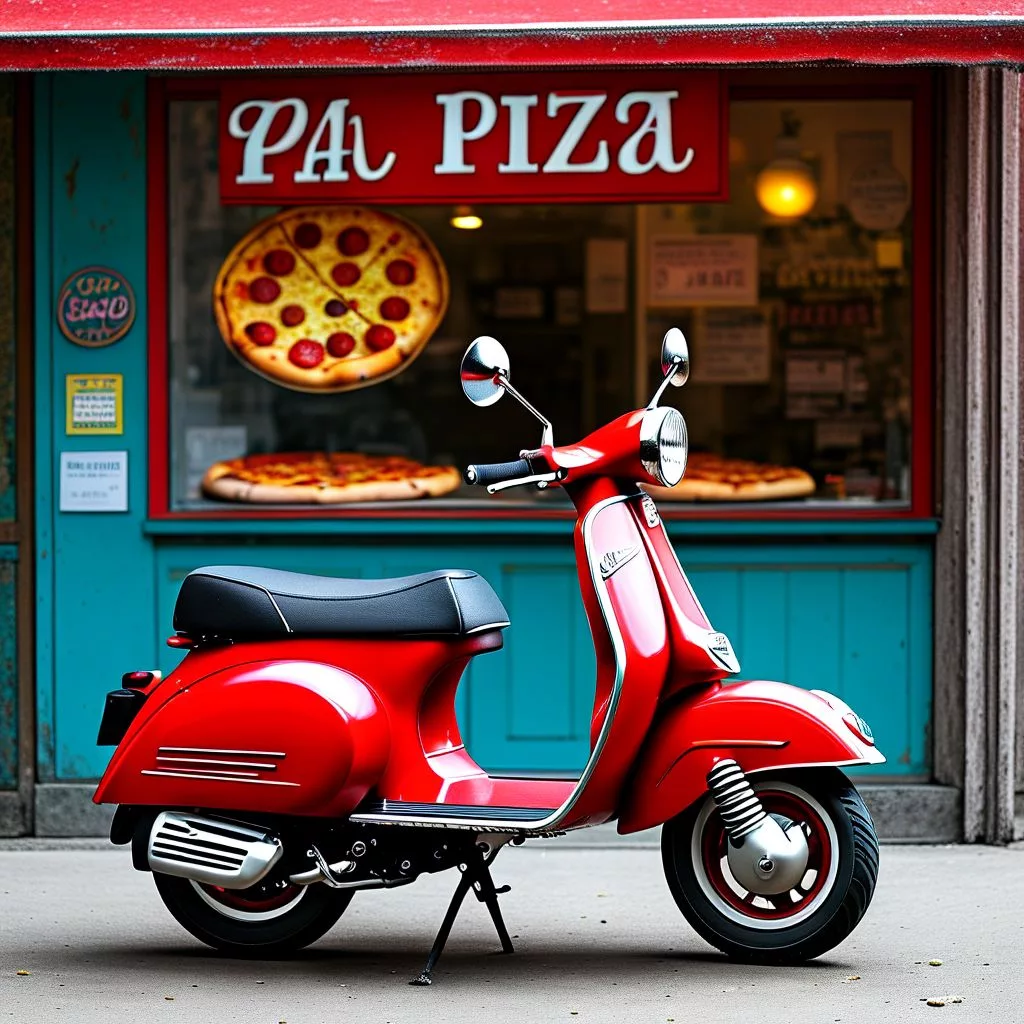
Scooters Pizza was a beloved South African fast-food brand famous for its promise to deliver hot pizza in 39 minutes or it was free. It grew quickly in the 1990s and 2000s, capturing hearts with its bold guarantee and strong community ties. Families and kids eagerly awaited the red scooter deliveries, making it part of daily life and local culture. However, when global giant Domino’s arrived, Scooters struggled to keep up and eventually faded away. Still, its story lives on as a symbol of local pride, fast innovation, and the spirit of South Africa’s changing times.
What is the story and legacy of Scooters Pizza in South Africa?
Scooters Pizza was a pioneering South African fast-food brand known for its “39 minutes or it’s free” delivery guarantee. It captured local culture through innovation, community engagement, and rapid growth before facing tough competition from global chains like Domino’s, leaving a lasting legacy in South Africa’s fast-food history.
A New Era in South African Fast Food
In the vibrant landscape of South Africa’s evolving cities, Scooters Pizza emerged as more than just another takeaway brand. Its striking red logos and that unforgettable “39 minutes or it’s free” promise became embedded in childhood memories and community rituals across the country. This bold guarantee wasn’t simply a marketing ploy – it introduced a new era of customer service, reflecting the energy and hopes of post-apartheid society. For a generation, it set the pace for what fast food could mean in a changing South Africa.
Scooters Pizza didn’t spring up in a vacuum. The late 1990s and early 2000s saw rapid urbanisation, with South Africans seeking new tastes and convenience against the backdrop of surging optimism. The fast-food sector, hungry for innovation, opened its doors to ambitious newcomers. Scooters arrived on the scene with a clear mission: deliver piping hot pizza to your door in less than 40 minutes, or give it to you for free. This daring approach captured the public’s imagination and wallets, quickly building a loyal following.
The stories that spread – of Friday night excitement, kids peering through curtains for the delivery scooter, or families racing against the clock – became a part of the country’s modern folklore. Scooters Pizza claimed a place not just in the market, but in the collective memory of urban South Africa, its appeal rooted in both its product and its spirit.
Growth Fueled by Innovation and Community
By the mid-2000s, Scooters Pizza had evolved into a powerhouse, controlling 5% of a billion-rand pizza market by 2004. The secret behind this impressive climb lay in a savvy combination of relentless marketing, operational discipline, and an understanding of local needs. Aggressive ad campaigns, often drawing from the energy and competitiveness found in South African sports culture, reinforced the brand’s image as fast, reliable, and always up for a challenge. The race to deliver within 39 minutes resonated in a country where rugby and cricket already dominated imaginations.
The founders understood South Africans’ high expectations and financial caution. Their innovative guarantee placed the risk on the business, not the consumer, embodying a spirit of accountability and daring. It echoed the customer-centric innovations of US fast-food chains after World War II, but with a uniquely local twist. This approach didn’t just build sales; it built trust.
Scooters didn’t rest on its early success. The company set ambitious goals, aiming to triple its number of locations and branch out into both dense cities and growing suburbs. This expansion reflected the belief in ongoing progress and the seemingly endless appetite for quick, Western-style meals. With each new opening, Scooters Pizza strengthened its presence, challenging competitors to keep up.
The brand’s influence spilled beyond its menu. Stores became community hubs, sponsoring school fairs and sports tournaments, and bringing people together for more than just a meal. Employees and franchisees took pride in beating the countdown, creating stories that lingered long after the pizzas were eaten. In doing so, Scooters Pizza wove itself into the daily fabric of countless neighborhoods.
Facing Global Giants and Internal Hurdles
No success story remains unchallenged forever. In 2014, a seismic shift occurred when Taste Holdings introduced Domino’s Pizza to the South African market. Domino’s didn’t just bring new flavors; it arrived with the muscle of a global brand – vast supply chains, polished training programs, and marketing budgets far beyond what local chains could muster. For many South Africans, Domino’s offered a gateway to the tastes and trends of the wider world, promising consistency and international flair.
This new competition quickly changed consumer behavior. Domino’s, with its global reputation and extensive resources, began to erode Scooters Pizza’s hard-earned loyalty. Social media, rapidly becoming a force in shaping public opinion, amplified Domino’s polished image and international credibility. Modern consumers, increasingly cosmopolitan and digitally connected, gravitated toward what felt new and globally relevant.
Inside Scooters Pizza, cracks started to show. As competition intensified, the brand found it difficult to maintain the operational excellence that had fueled its rise. Franchisees complained about unclear strategies, and staff often felt adrift without strong guidance. Problems in the supply chain that once seemed minor began to undermine the promise of fast, hot delivery. The bold qualities that had set Scooters apart – adaptability, risk-taking, and personal service – became harder to sustain under mounting pressure.
Taste Holdings, once the driving force behind Scooters, recognized the shifting landscape. The company began redirecting resources and attention toward building the Domino’s brand. Marketing budgets and strategic focus followed this pivot, leaving Scooters to fade as Domino’s flourished. The phenomenon echoed classic business cycles, where new innovators inevitably give way to even bigger players on the global stage.
Lessons from a Vanished Brand
The story of Scooters Pizza is more than just another case of a local business overtaken by international competition. It highlights the challenges facing homegrown brands in an era of relentless globalisation, where even the most beloved local institutions can struggle to survive the arrival of multinational giants. Reports like Trade Intelligence’s “Food to Go” make it clear: to thrive, brands must innovate continuously, adapt rapidly, and foster unwavering loyalty. Scooters, for all its past ingenuity, struggled to keep pace with these new demands.
Yet the brand’s disappearance also offers lessons beyond the bottom line. Scooters inspired a generation of small business owners to dream big and deliver on their promises. Its focus on accountability and community engagement built a culture where the customer really did come first. Even now, former employees and customers recall the pride and camaraderie that defined the brand, sharing stories online that keep its memory alive.
Physical traces remain: faded shop signs, a catchy jingle on the lips of nostalgic adults, and the occasional tattered menu in a forgotten drawer. These reminders speak to a time when the balance between innovation, customer focus, and community connection defined the South African fast-food experience. They also invite reflection on the price of progress – what is gained, and what is lost, when local spirit gives way to global power?
As South Africa’s restaurant landscape continues to evolve, the story of Scooters Pizza stands as a testament to the dynamism and vulnerability of local entrepreneurship. It challenges us to ask how homegrown creativity can endure in a world shaped by international brands and ever-changing consumer tastes. For many, the legacy of Scooters Pizza endures not just as a business story, but as a symbol of a hopeful, energetic moment in South Africa’s culinary journey.
FAQ: Scooters Pizza – South Africa’s Fast-Food Icon
What was Scooters Pizza known for in South Africa?
Scooters Pizza was famous for its bold promise to deliver hot pizza within 39 minutes or it was free. This unique guarantee made it a household name across South Africa in the 1990s and 2000s. The brand became synonymous with fast, reliable delivery and strong community engagement, making it a beloved part of local culture, especially among families and kids who eagerly awaited the iconic red scooter deliveries.
How did Scooters Pizza shape South Africa’s fast-food industry?
Scooters Pizza introduced a new standard for customer service by taking on the delivery risk themselves, embodying accountability and innovation during a time of rapid urbanisation and social change. It helped pioneer fast-food culture in South Africa by blending Western-style convenience with a distinctly local flavor, fueled by aggressive marketing and community involvement such as sponsoring sports events and school fairs.
What led to the decline and eventual disappearance of Scooters Pizza?
The arrival of Domino’s Pizza in 2014 marked a turning point. Domino’s brought the strength of a global brand – extensive supply chains, polished operations, and large marketing budgets – making it difficult for Scooters to compete. Internal challenges such as unclear strategies, supply chain issues, and decreased operational focus further weakened Scooters, while corporate attention shifted toward Domino’s under Taste Holdings, hastening the local brand’s fade.
What impact did Scooters Pizza have on local communities?
Scooters Pizza went beyond just delivering food; its outlets became community hubs where people gathered. The brand actively supported local schools and sports tournaments, fostering a sense of pride and belonging. Employees and franchisees shared a spirit of challenge and camaraderie centered around the “39-minute delivery” race, making the brand a memorable part of many South Africans’ daily lives.
Are there any lessons to be learned from the rise and fall of Scooters Pizza?
Yes. Scooters Pizza’s story highlights the challenges local brands face in an increasingly globalized market, emphasizing the need for continuous innovation, adaptability, and strong customer loyalty. It also shows the importance of balancing rapid growth with operational sustainability. The brand’s legacy inspires entrepreneurs to dream big but also to prepare for fierce competition from multinational corporations.
Does Scooters Pizza still exist or have any presence today?
Scooters Pizza as a brand has largely disappeared from the South African market, with most physical stores closed and operations halted. However, its memory lives on through nostalgic stories, faded signage, and online communities that celebrate its role in South Africa’s fast-food history. The brand remains a symbol of local pride, fast innovation, and a unique era in South Africa’s culinary and cultural development.