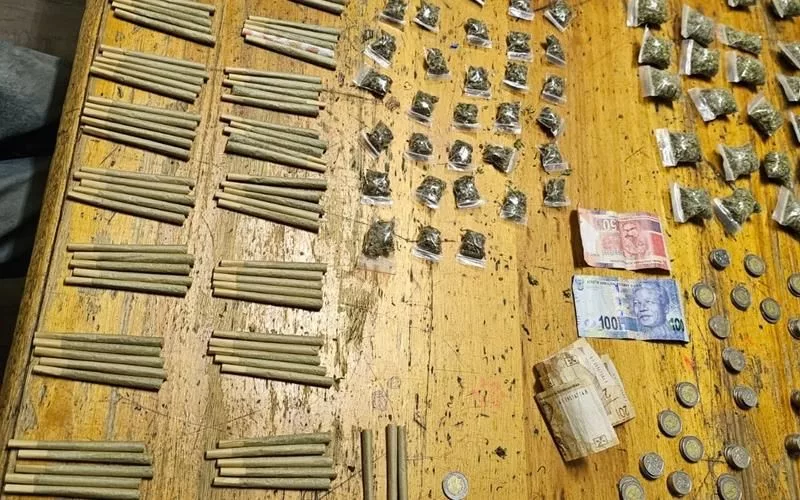
On August 9, 2025, Cape Town Metro Police made a big drug bust in Fisantekraal, finding nearly 3.5 kilograms of dagga and arresting many people that week. This raid shows how the city is fighting hard against drugs, but also struggles with keeping communities safe and working with justice systems that sometimes fail. Behind the numbers are real stories of families and neighborhoods caught between hope and hardship. Cape Town’s battle against drugs is a tough, ongoing fight where police and citizens must work together to bring safety and peace to their streets.
What happened during the Fisantekraal dagga bust and how does it reflect Cape Town’s urban policing challenges?
On 9 August 2025, Cape Town Metro Police seized nearly 3.5 kg of dagga in Fisantekraal, part of a wider crackdown involving 241 arrests and 62,706 fines that week. This bust highlights ongoing struggles with drug enforcement, community cooperation, and systemic justice challenges in the city.
Morning Raids and the Weight of a Haul
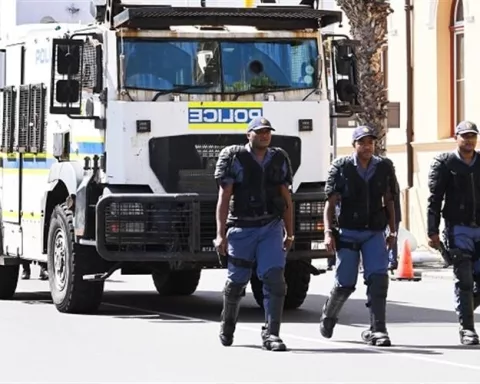
Dawn in Fisantekraal brings a hush occasionally broken by the hum of city life, but on 9 August 2025, a different energy surged through its streets. Metro Police, guided by a crucial tip-off, conducted a targeted raid that would echo through the community for days. Their early-morning operation did not simply disrupt the stillness; it signaled the city’s ongoing war against drugs and the resilience of those enforcing it.
When officers stepped into the modest home at the center of the investigation, the tension would have been palpable. The resident, compelled by the authority at his door, allowed the search. What unfolded inside echoed familiar scenes from countless anti-narcotic operations: baggies of pre-packed dagga, rolls of prepared cigarettes, and piles of cash. Most conspicuous, however, was the heavy black plastic bag containing nearly three and a half kilograms of dagga – its earthy aroma unmistakable and its presence a testament to the ongoing challenge faced by local law enforcement.
This particular bust, though dramatic, was not an isolated event. It formed part of a broader pattern of weekly enforcement throughout Cape Town. That week, city enforcement agencies arrested 241 individuals and issued a staggering 62,706 fines for violations ranging from drug possession to traffic offenses. Within these numbers, the Fisantekraal incident stood out, not just for its scale, but as a symbol of a larger battleground where law, opportunity, and desperation collide.
Cape Town’s Enforcement Tapestry
The struggle against drugs in Cape Town evokes the age-old dance between order and chaos, echoing scenes from the opium-laced alleys of Victorian England or the bootleg-fueled speakeasies of 1920s America. Modern officers, like their historical counterparts, must navigate a labyrinth of addiction, criminal networks, and social decay. Each raid, each arrest, attempts to chip away at these entrenched problems, but the roots often extend far deeper than any single operation can reach.
Alderman JP Smith, the Mayoral Committee Member for Safety and Security, often voices the deep concern that gnaws at city leadership. He describes the relentless damage drugs inflict on communities: families torn apart, futures derailed, and neighborhoods locked in cycles of trauma and recovery. Smith’s insights evoke the haunting blues of Picasso’s early works, where grief and perseverance intermingle in every brushstroke.
Despite these efforts, Smith highlights a painful reality – municipal officers can make arrests, but the criminal justice system sometimes falters. Suspects, once detained, may find themselves back on familiar corners within days, emboldened by inefficiency and loopholes. This frustrating dynamic brings to mind the bureaucratic quagmires of Kafka’s fiction, where progress is sluggish and justice is often just out of reach.
The Numbers Behind the Narrative
Beyond the dagga haul, Cape Town’s enforcement services orchestrate a relentless campaign against disorder. Law Enforcement officers logged 166 arrests that week, issuing 5,870 notices for a variety of offenses. Each statistic conceals a human drama: a traffic stop that averted a tragedy, an arrest that may have interrupted a chain of violence, a citation that reminded a resident that the law still matters.
Meanwhile, the city’s traffic services operate as the guardians of movement, monitoring the constant pulse of vehicles and their operators. That week alone, they documented 54,707 traffic violations and made 34 arrests, underscoring the persistent threats posed by reckless drivers and transport law infractions. Officers executed 883 warrants and impounded 255 vehicles, their actions forming a bulwark against the daily tide of urban hazards.
At the center of this frenetic activity sits the Public Emergency Communication Centre, an unsleeping hub that relays cries for help across the city. In a single week, the center managed calls for 60 accidents, dispatched assistance to 78 assault cases, and responded to 44 incidents of domestic violence. Behind each call lies a unique crisis – a moment where individuals and families rely on the city’s safety net to restore order and hope.
Society, History, and the Search for Safety
The dagga seized in Fisantekraal is more than a cache of contraband. For some, it represents a lifeline, a source of income in a city where opportunity can seem elusive. For others, it serves as a trap, leading to addiction, crime, and personal ruin. This duality mirrors the broader dilemmas explored by modern artists and thinkers, who chronicled the fragmentation of society amid progress and innovation.
Cape Town’s current struggle against drugs parallels the upheavals of past cities – the gold rushes of Johannesburg, the artistic ferment of Paris’s Belle Époque, and the cultural renaissance of Harlem. In each era, shadow and light mingled as authorities and communities navigated the promise and peril of rapid change.
Police officers on the ground serve as both shields and witnesses. Their daily routines blend the assertiveness of law enforcement with the empathy of social work. Sometimes, an officer must comfort a traumatized child or recognize a habitual offender as a casualty of deeper social fractures. These moments, repeated across the city, echo the communal murals of Diego Rivera – each character a vital thread in the tapestry of urban life.
Community, Cooperation, and the Ongoing Struggle
The city’s fight for safety depends on more than just officers and officials. Residents, too, shoulder responsibility – offering tips, cooperating with investigations, or sometimes grappling with the moral weight of exposing a neighbor. These acts of courage and engagement are vital, connecting individuals to the broader project of securing their community’s future.
Central to this partnership is the city’s public emergency hotline. By reaching out, citizens bridge the gap between isolation and collective action, transforming fleeting moments of crisis into opportunities for intervention and recovery. The simple act of making a call can change the trajectory of an incident, ensuring that help arrives when and where it is most needed.
Cape Town’s ongoing battle for order, dignity, and safety reflects the enduring spirit of those who have championed reform and resilience through history. Whether in the tenacity of Florence Nightingale, the moral clarity of Gandhi, or the vision of Nelson Mandela, the drive to create safer, fairer communities finds expression in everyday acts of vigilance and service.
The Fisantekraal dagga bust, then, stands as more than a headline. It captures the city’s turbulent journey toward security – a journey marked by complexity, contradiction, and hope. In every fine issued, every call answered, and every arrest made, Cape Town asserts its determination to carve out sanctuaries of order amid the unpredictable rhythms of urban life.
What occurred during the Fisantekraal dagga bust on August 9, 2025?
On August 9, 2025, Cape Town Metro Police conducted a targeted dawn raid in Fisantekraal based on a crucial tip-off. They seized nearly 3.5 kilograms of dagga (cannabis) and found pre-packed dagga cigarettes and cash in the operation. This bust was part of a larger enforcement wave that week involving 241 arrests and over 62,000 fines for various offenses throughout Cape Town. The raid highlights the city’s active but challenging fight against drug-related crime.
How does the Fisantekraal bust illustrate broader policing challenges in Cape Town?
The raid reflects deeper urban policing struggles: enforcing drug laws amid community complexities, addressing addiction and criminal networks, and working within a justice system that sometimes fails to keep suspects detained. While police arrests disrupt illegal activity temporarily, inefficiencies often lead to suspects quickly returning to the streets, complicating long-term community safety efforts.
What other law enforcement activities were happening in Cape Town that week?
Alongside the drug-related arrests, Cape Town’s Law Enforcement officers made 166 arrests and issued 5,870 violation notices covering a range of offenses. Traffic Services documented over 54,700 traffic violations, made 34 arrests, executed 883 warrants, and impounded 255 vehicles. The Public Emergency Communication Centre also managed calls for 60 accidents, 78 assaults, and 44 domestic violence incidents, highlighting the city’s multifaceted safety challenges.
What social and historical contexts shape Cape Town’s fight against drugs?
Cape Town’s drug problems echo historical struggles seen in other cities facing social upheaval and rapid change – similar to the opium dens of Victorian England or Prohibition-era America. The drug trade can represent both a survival mechanism and a destructive trap for individuals and communities. Police officers often balance strict law enforcement with compassion for those caught in cycles of addiction and poverty, reflecting complex social realities.
How important is community cooperation in combating drug-related crime?
Community involvement is crucial. Residents provide tips, cooperate with investigations, and face moral dilemmas when reporting neighbors. The city’s public emergency hotline serves as a vital link, allowing citizens to report crimes and crises promptly. This partnership between police and community members strengthens efforts to create safer neighborhoods and helps transform moments of crisis into opportunities for intervention.
What does the Fisantekraal dagga bust symbolize for Cape Town’s future?
More than a single enforcement success, the bust represents Cape Town’s ongoing, complex journey toward urban safety and justice. It underscores the city’s determination to confront entrenched social problems through persistent policing, community engagement, and systemic reform. Despite setbacks and contradictions, each arrest, fine, and emergency call illustrates a collective effort to build safer, more resilient communities amid the challenges of urban life.