Life at Wingfield Refugee Camp in Cape Town is tough but filled with hope. About 160 refugees from countries like Congo, Rwanda, and Burundi live in a big white tent, facing dangers outside and uncertain futures. Though they have little—just basic water and toilets—they stick together like family, protecting each other from fear and hardship. Their story shows how people can stay strong even when life feels dark and uncertain.
What is life like at Wingfield Refugee Camp in Cape Town?
Life at Wingfield Refugee Camp is marked by resilience amid hardship. About 160 refugees face basic living conditions, legal uncertainty, and fears of xenophobic violence. Despite limited amenities, they form a close community striving for safety, dignity, and hope while navigating complex government and legal challenges.
Arrival Under Grey Skies: The Roots of a Refugee Community
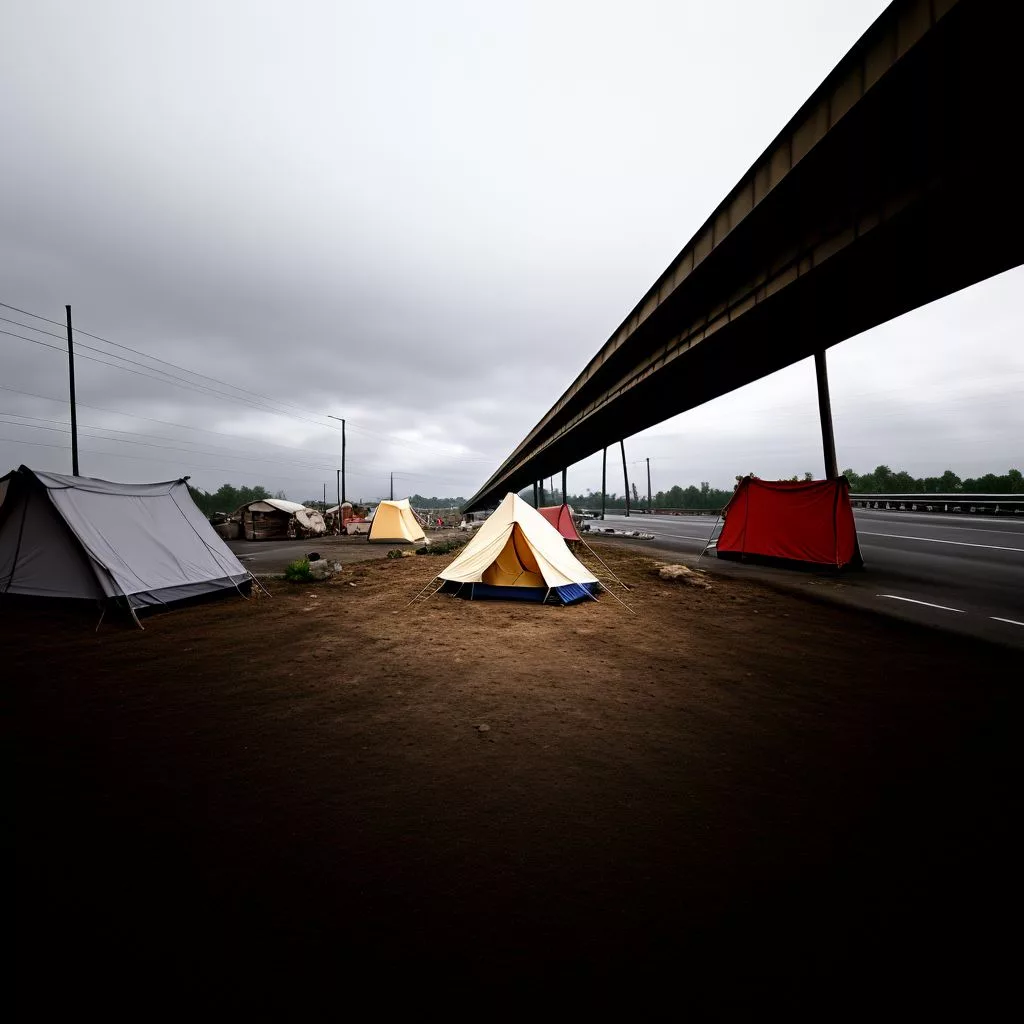
Beneath the overcast skies of Maitland, Cape Town, a scene of grit and hope unfolds just beyond the reach of city traffic. Here, on government-owned land near Wingfield, a large weather-beaten white tent rises amid patches of grass and dust. This tent, now a makeshift home, shelters around 160 men, women, and children—a fraction of the much larger group that once filled Cape Town’s streets in protest back in October 2019. These refugees, arriving from nations such as the Democratic Republic of Congo, Rwanda, and Burundi, once gathered outside the offices of the United Nations High Commissioner for Refugees (UNHCR), demanding relocation to safer countries beyond South Africa.
The atmosphere at Wingfield blends resilience with exhaustion. The families who remain have become a tight-knit community, united not only by their shared displacement but also by an unwavering determination to protect their fragile sanctuary. This resolve intensified recently when the City of Cape Town, joined by the Ministers of Home Affairs and Public Works, filed a joint application at the Western Cape High Court seeking the group’s eviction. This looming legal threat shakes the already unstable ground beneath the refugees, reviving anxieties that have lingered for years.
Wingfield’s story fits into a broader pattern of migration and displacement that has shaped South Africa’s cities over the past several decades. Urban centers like Cape Town have long attracted those fleeing conflict, persecution, or dire poverty, promising safety and new beginnings. Yet, for many, the journey only marks the start of further challenges—including discrimination, uncertainty, and the daily search for dignity.
Memories of Violence and the Struggle for Safety
Among the residents is Faraja Augustin, a man whose voice conveys both fatigue and unwavering resolve. Forced to leave the Democratic Republic of Congo as a young man, Faraja eventually set up a modest barbershop in Dunoon, a lively township on the outskirts of Cape Town. But even there, peace proved elusive. Faraja remembers the fear that swept through foreign-owned businesses during the xenophobic attacks of 2008. These waves of violence left deep scars on those who survived.
At Wingfield, Faraja explains the constant danger he faces as an outsider. “If you sell something on the street, people come and ask for your documents. If you can’t show them, they might threaten you, beat you, or take your possessions,” he says. This ever-present risk keeps him inside the tent, away from the streets that should offer opportunity. “We need real solutions. I can’t return to my home country—it’s not safe for me,” he insists, his words echoing the fears of many others at Wingfield.
Life at the camp remains difficult. The initial camps at Wingfield and at Paint City in Bellville emerged out of necessity during the early days of the Covid-19 pandemic. In 2020, as strict lockdown regulations swept across South Africa, authorities moved refugees out of public spaces and into these camps, aiming to protect vulnerable groups from both illness and unrest. The intention may have been noble, but the camps quickly took on the improvised character of informal settlements common across the continent. Portable toilets and shared water taps offer the most basic amenities, while some families have constructed lean-tos and shelters from scavenged materials. Each day, the challenge of survival tests the community’s spirit.
Despite the city’s encouragement, most of the refugees refuse to leave Wingfield and reintegrate into local neighborhoods. The trauma of previous attacks and the fear of further violence weigh heavily on any decision to return. Here, at Wingfield, the struggle extends beyond the need for shelter; it is about maintaining dignity, securing safety, and finding a sense of place in a country that often feels indifferent.
Government Response and International Perspectives
Officials from local and national government regularly defend their handling of the refugee camps. Luthando Tyhalibongo, spokesperson for the City of Cape Town, emphasizes that “hundreds of foreign nationals have accepted reintegration into local communities… and so far, the fears of widespread xenophobic violence, which led to the original protests, haven’t been realized.” This view highlights the constant balancing act between the city’s duty to all its residents, the legal rights of refugees, and the constraints of budgets and policy.
Government representatives insist that the camps at Wingfield and Bellville were never intended as permanent solutions. Tyhalibongo points out that agencies have helped refugees with paperwork and provided various kinds of support, but he also notes that frustration and mistrust often greet officials visiting the site. Tension remains a defining feature of the relationship between residents and authorities, as many refugees feel let down or misunderstood.
The national conversation around refugees in South Africa also connects to global responsibilities. Jan De Bisschop, external relations officer for the UNHCR in Pretoria, recognizes the legal and human challenges surrounding the eviction process in Cape Town. De Bisschop stresses that South Africa continues to host more than 250,000 refugees and asylum-seekers, honoring its international and domestic obligations. The UNHCR encourages those at Wingfield to return to mainstream communities, enroll their children in school, and rebuild their lives in South Africa. Confidential assistance and counseling are available for those considering voluntary return to their countries of origin, although for most, that path remains too dangerous to contemplate.
Home Affairs Minister Leon Schreiber points to the hundreds who have already moved back into communities as evidence of possible reintegration. Yet, he draws a hard line concerning the demand that started the protest: resettlement in Europe or Canada. “The request for relocation to Europe or Canada cannot legally be met, nor can the state continue covering the costs associated with these sites,” Schreiber explains. He reminds residents and the public alike that these facilities were set up as temporary shelters in response to the Covid pandemic, not as permanent residences.
Survival, Adaptation, and the Quest for Belonging
The story of Wingfield plays out against the backdrop of Cape Town’s rich and turbulent history—a city shaped by centuries of migration, colonial rule, apartheid, and the ongoing search for justice and inclusion. The tent at Wingfield stands as a microcosm of this complexity, transforming into both a symbol of resilience and a reminder of the enduring challenges facing displaced communities.
Walking through the camp, one witnesses the creativity and resourcefulness required to endure hardship. Residents arrange sleeping mats with care, light communal fires for cooking, and carve out spaces of personal meaning within cramped quarters. Their daily lives echo the works of South African artists and photographers who have documented the struggles of marginalized people with honesty and depth. The spirit of survival at Wingfield, visible in every shared meal and every improvised shelter, challenges visitors to recognize both the vulnerability and the strength living side by side within the camp.
Despite these efforts, uncertainty continues to define life at Wingfield. Children craft games out of scarcity, their laughter occasionally rising above the somber mood. Parents huddle together, quietly discussing possible futures—whether to risk returning home, seek acceptance in local communities, or hold out hope for resettlement abroad. Each option carries its own burdens and risks, leaving families in a state of suspended possibility.
Stories like those of Wingfield’s refugees rarely yield simple answers. Instead, they unfold as ongoing negotiations between hope and reality, between the needs of individuals and the demands of institutions. The camp, with its layers of hardship and aspiration, stands as both a testament to the shortcomings of the current system and a tribute to the enduring power of adaptation. In the face of uncertainty, the residents of Wingfield continue searching for a sense of belonging, driven by the basic desire for security and the possibility of a better tomorrow.
Wingfield’s saga reminds us that displacement is not just a matter of lost homes, but also of uprooted lives and uncertain futures. The camp’s residents, navigating the challenges of survival and the complexities of law and policy, have carved out a fragile space of community and hope in the heart of Cape Town. Their struggle reflects larger patterns of migration and adaptation, echoing both the local history of Cape Town and the global story of forced movement.
As legal battles play out and government policies shift, the fundamental questions remain the same: How do we balance compassion with practicality? What responsibilities do cities and nations bear toward those seeking refuge? And how can dignity be preserved in situations defined by scarcity and fear?
The answers are never easy, but the story of Wingfield reveals the resilience at the heart of every human journey. Even under gray skies and frayed canvas, hope finds a way to endure.
FAQ: Life at Wingfield Refugee Camp in Cape Town
1. Who lives at Wingfield Refugee Camp and why are they there?
Wingfield Refugee Camp shelters about 160 refugees from countries such as the Democratic Republic of Congo, Rwanda, and Burundi. Many fled violence, persecution, and dire poverty in their home countries. They arrived in Cape Town seeking safety and stability but face ongoing challenges such as xenophobic violence, legal uncertainty, and limited resources. The camp formed as a temporary shelter during the Covid-19 pandemic when refugees were moved out of public spaces for protection.
2. What are the living conditions like at Wingfield Refugee Camp?
Living conditions at Wingfield are basic and challenging. Refugees live together in a large, weather-beaten white tent on government-owned land, with access to shared portable toilets and water taps. Some have built makeshift shelters from scavenged materials. There are few amenities beyond the essentials, and residents face constant threats from outside violence and legal instability. Despite hardships, the community is close-knit and supportive, creating a sense of family and mutual protection.
3. Why do many refugees at Wingfield refuse to move into local communities?
Most refugees at Wingfield hesitate to reintegrate into local neighborhoods due to past experiences of xenophobic attacks and ongoing fears for their safety. Memories of violence, such as the xenophobic attacks on foreign-owned businesses in 2008, and daily harassment keep many confined to the camp. The trauma and mistrust of local systems contribute to their reluctance to leave this fragile sanctuary, despite encouragement and some government support for reintegration.
4. What is the South African government’s stance on Wingfield Refugee Camp?
Local and national government officials view Wingfield as a temporary solution, not a permanent home. They emphasize efforts to assist refugees with documentation, integration, and support services. However, the government has also sought the eviction of the camp through legal channels, citing budget constraints and the temporary nature of the facilities set up during the Covid-19 pandemic. The government rejects demands for resettlement in countries like Europe or Canada, explaining such requests cannot be legally met.
5. What role does the United Nations High Commissioner for Refugees (UNHCR) play?
The UNHCR supports refugees by encouraging them to enroll children in school, engage with local communities, and access confidential assistance and counseling. It recognizes the complex legal and humanitarian challenges faced by Wingfield residents and South Africa’s obligations as a host country for over 250,000 refugees and asylum-seekers. The UNHCR promotes voluntary return to countries of origin only when it is safe, which for most refugees at Wingfield, it currently is not.
6. How do the refugees at Wingfield maintain hope despite their difficult circumstances?
Despite scarcity, fear, and uncertainty, the refugees at Wingfield demonstrate remarkable resilience. They create a strong community that supports one another like family, sharing meals, creating shelters, and protecting each other from external threats. Children find ways to play and laugh, and adults hold onto hopes of safety, dignity, and better futures—whether through reintegration, resettlement, or eventual peace in their homelands. Their story is a testament to human strength amid adversity.
For more information or support, please refer to local humanitarian organizations and the UNHCR’s official channels.