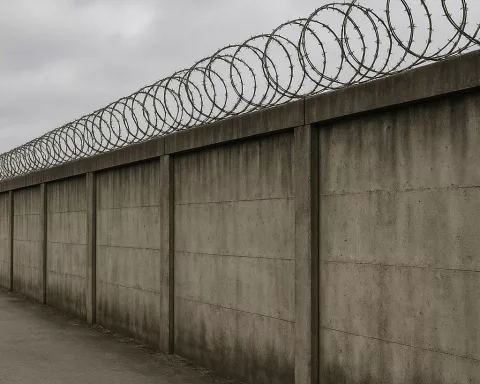

Johannesburg is fighting tough against kidnapping gangs using smart police teams with high-tech tools. Since early 2024, they have caught over 170 suspects and saved more than 100 victims from scary ransom kidnappings. These gangs mix old tricks with new technology, hiding behind luxury cars and encrypted phones. The city’s bright skyscrapers and dark streets tell a story of danger and hope, where brave officers keep pushing back against crime. Even though the battle is hard, the fight to protect families and bring justice goes on strong.
What is Johannesburg doing to combat organized kidnapping syndicates?
Johannesburg fights organized kidnapping through the SAPS Anti-Kidnapping Task Team, which uses advanced surveillance, cyber-investigation, and tactical operations. Since 2024, they’ve arrested over 170 suspects, recovered R1.2 million in ransoms, and rescued 100+ victims, targeting syndicates blending old tactics with modern technology.
The City’s Uneasy Pulse
Johannesburg, with its gleaming towers and shadowed backstreets, pulses with relentless energy. Here, contrasts are sharp: opulence and struggle exist side by side, wealth and poverty often separated by a mere wall or a single streetlight. This week, the city’s perpetual tension boiled over into real-life drama, something straight from the pages of a hard-boiled detective novel.
In the labyrinthine suburb of Fourways, where manicured lawns hide secrets and security patrols glide through leafy avenues, danger arrived in the form of Mauro Mucambe Junior. Once a whispered name in Maputo’s underworld, Mucambe Junior’s reputation for orchestrating kidnappings cast a long shadow across borders. When South Africa’s elite Anti-Kidnapping Task Team tracked him down, his story—and the sprawling network he led—hit a violent, decisive end.
This episode stands as a chilling reminder of how crime syndicates weave themselves into Johannesburg’s daily life. The city’s architecture—walled estates, crowded highways, and glittering shopping centers—provides both cover and opportunity for those living outside the law. As police and criminals play out their deadly chess game, the stakes remain high for everyone caught in the crossfire.
Crime, Technology, and the Calculus of Ransom
The operation that brought down Mucambe Junior started with a nightmare familiar to many in the city: a business owner vanished in Pretoria West. The victim, a Pakistani man, became the latest bargaining chip in a thriving shadow economy—the trade in human lives for ransom. For his family, uncertainty and fear settled in immediately, as they faced a demand with no face and a price set by the cruel logic of extortion.
Unlike the crimes of the past, contemporary kidnapping in Southern Africa relies on a blend of old ruthlessness and modern innovation. Syndicates like the one led by Mucambe Junior move their captives through a complex web of communication and logistics, enabled by encrypted smartphones, untraceable bank cards, and luxury vehicles that blend easily with the city’s affluent neighborhoods. When the SAPS team traced the kidnappers to the Carlswald complex in Midrand, they found not just the victim, but also a snapshot of the gang’s infrastructure: a gleaming Mercedes Benz, a silver Pajero, and a set of tools for managing ransom negotiations and secure escapes.
Seizing two suspects and dismantling their command center marked the first break in the case. The investigation rapidly expanded, following digital trails and financial footprints to Fourways, where the syndicate’s leader made his last stand. The streets, usually bustling with shoppers and commuters, became an unlikely battleground as police and kidnappers exchanged gunfire in a clash that would end with Mucambe Junior’s death.
The Anatomy of a Takedown
Witnesses looked on in shock as SAPS operatives, moving with the swift coordination of military specialists, brought the operation to a head. Years of training in surveillance and crisis intervention culminated in moments of chaos—gunfire, shouts, and the sudden stillness that follows violence. In the aftermath, officers recovered an unlicensed firearm, a cache of ammunition, several cellphones, and bank cards—each item a link in the chain of the syndicate’s operations.
These tangible pieces of evidence reveal the sophistication of modern kidnapping rings. The cellphones and cards, for instance, point to a highly organized system for ransom collection and communication, one that transcends borders and evades routine law enforcement. This isn’t crime born of desperation; it’s the calculated handiwork of professionals adapting old criminal tactics to a digital age.
While the shoot-out ended one chapter, the wider story continues. The SAPS Anti-Kidnapping Task Team, established in response to a surge in high-profile abductions, has become a formidable force in South African law enforcement. Since January 2024, they have arrested over 170 suspected kidnappers, recovered more than R1.2 million in ransom payments, and rescued upwards of 100 victims—most from Gauteng, the economic heart of the country. Yet for each victory, many cases remain unresolved, a constant reminder of the scale and persistence of the threat.
Layers of Crime and the City’s Unfolding Drama
Johannesburg’s struggle against organized kidnapping does not exist in isolation—it overlaps with other forms of violent crime. The recent breakthrough in the Olorato Mongale murder, linked to the same task force, highlights the tangled web connecting kidnapping, murder, and theft in the city’s criminal underworld. Suspects wanted for one crime often resurface in another investigation, their activities part of a broader, ever-shifting landscape of illegality.
Vehicles seized during raids—more than forty this year—point to safehouses, ransom drops, and escape routes. Each confiscated car connects the dots on a map of hidden criminal infrastructure, illuminating the places where law and disorder intersect. Police investigators must draw on skills ranging from financial forensics and cyber-investigation to criminal psychology, tracking not just individuals but entire networks of collaborators.
Through it all, Johannesburg itself emerges as a character in the unfolding drama. Its skyline, both a symbol of progress and a backdrop for intrigue, sets the stage for stories of loss and heroism. The police, navigating a city both familiar and unpredictable, carry the hopes and frustrations of a society determined to push back against the tide of organized crime.
Echoes of History and the Human Cost
Kidnapping for ransom is not unique to South Africa. History offers countless parallels: in nineteenth-century Italy, the Mafia built its power on similar tactics; in Latin America, entire police units sprang up to counter the epidemic of express kidnappings. Globally, police forces have adopted a mix of negotiation, technology, and daring operations to meet the evolving threat. Yet Johannesburg’s challenges—shaped by unique social, economic, and historical forces—give its story a particular urgency.
The city’s families, waiting for news of missing loved ones, endure emotional turmoil that rarely makes headlines. For every successful rescue or recovered ransom, there are untold hours of waiting, uncertainty, and pain. For police officers, each intervention tests not only their tactical skill, but their capacity for empathy and resilience. The battle against kidnapping is as much about reclaiming hope as it is about law enforcement.
Art, literature, and film have long reflected on the struggles between violence and order. From the chiaroscuro of Renaissance painting to the hard edges of film noir, creators have sought to capture the tension that defines societies under threat. The actions of the SAPS Anti-Kidnapping Task Team carry echoes of these artistic explorations—a reminder that the fight to restore order and protect the vulnerable remains a core human endeavor.
Looking Ahead: Resolve in the Face of Uncertainty
As Johannesburg continues to search for the missing Pakistani businessman, the entire city holds its breath, caught between dread and hope. Each successful intervention by the Anti-Kidnapping Task Team forms a new chapter in a larger narrative—a story where fear and resolve stand as constant companions. The city’s landscape, both beautiful and dangerous, provides the setting for an ongoing struggle whose outcome remains uncertain.
Victories on the front lines offer moments of relief, but also signal how much work remains. The resilience of police officers, the resolve of families, and the adaptability of criminals all shape the contours of this relentless contest. Johannesburg, in its complexity and contradictions, becomes both the stage and the subject of a fight that is far from over.
In the neon-lit heart of the city, where danger is never far away, the courage of those who protect and the determination of those who endure ensure that, no matter how deep the shadows, the light of resistance continues to shine.
What measures has Johannesburg implemented to fight kidnapping syndicates?
Johannesburg’s South African Police Service (SAPS) Anti-Kidnapping Task Team leads the fight against organized kidnapping. Since early 2024, they have employed advanced surveillance, cyber-investigation techniques, and tactical operations to dismantle syndicates. Their efforts have resulted in over 170 arrests, recovery of more than R1.2 million in ransom payments, and the rescue of over 100 victims. The task team targets gangs that blend traditional criminal methods with modern technology, such as encrypted phones and luxury getaway vehicles.
How do kidnapping syndicates in Johannesburg operate?
These syndicates combine old criminal ruthlessness with modern technology. They use encrypted smartphones for secure communications, untraceable bank cards for ransom collection, and luxury vehicles to blend into affluent neighborhoods. Victims are moved through a complex network of safehouses and routes, often concealed within the city’s affluent suburbs. The gangs have sophisticated command centers equipped with communication tools and weapons, demonstrating a high level of organization and planning.
What challenges do law enforcement face in tackling kidnapping in Johannesburg?
Law enforcement contends with highly adaptive criminals who employ advanced technology and operate across borders. Syndicates use encrypted communication, unregistered firearms, and complex financial networks to evade detection. The city’s geography—with its mixture of wealthy estates, busy highways, and dense urban areas—provides cover and logistical advantages to kidnappers. Moreover, overlapping criminal activities like murder and theft complicate investigations, requiring multidisciplinary skills such as cyber forensics, financial investigation, and criminal psychology.
What was the significance of the recent operation against Mauro Mucambe Junior?
The capture and death of Mauro Mucambe Junior marked a major breakthrough. Mucambe Junior, previously known in Maputo’s underworld, led a sprawling kidnapping network operating in Johannesburg. The operation involved a shootout in Fourways suburb and led to the seizure of unlicensed firearms, multiple cellphones, and bank cards used in ransom negotiations. This takedown disrupted a key node in the kidnapping syndicate and highlighted the effectiveness of the Anti-Kidnapping Task Team’s coordinated tactics.
How does kidnapping impact families and communities in Johannesburg?
Kidnapping inflicts deep emotional trauma on families, who endure long periods of uncertainty and fear while waiting for news or the release of their loved ones. The crime’s human cost extends beyond individual victims, affecting entire communities by instilling fear and eroding trust in public safety. For police officers, working these cases requires not only tactical skill but also empathy and resilience, as they navigate the often painful realities faced by victims’ families.
What does the future look like for Johannesburg’s fight against kidnapping?
While the Anti-Kidnapping Task Team has made significant progress, the battle remains ongoing and complex. Criminals continue to evolve their methods, requiring law enforcement to stay adaptive and innovative. The resilience of police officers, the support of communities, and advances in technology will be critical in continuing to dismantle kidnapping networks. Ultimately, the fight is not only about law enforcement but also about restoring hope and safety to families and neighborhoods across Johannesburg.