In Elsies River, long power outages turn daily life upside down, making simple tasks like cooking and staying safe very hard. Neighbors share what they have, helping each other stay connected and care for the sick. Without streetlights, the nights grow dangerous, but the community stays strong by coming together during the day. These blackouts reveal bigger problems with the electricity system but also show how people find hope and friendship even in the darkest times.
What is life like in Elsies River during prolonged power outages?
Life in Elsies River during extended blackouts is challenging, affecting cooking, safety, and healthcare. Residents adapt by sharing resources, holding daytime gatherings, and supporting vulnerable neighbors. The outages highlight deep infrastructure issues and emphasize electricity’s vital role in health, security, and daily routines.
When the Lights Go Out: Daily Life Disrupted
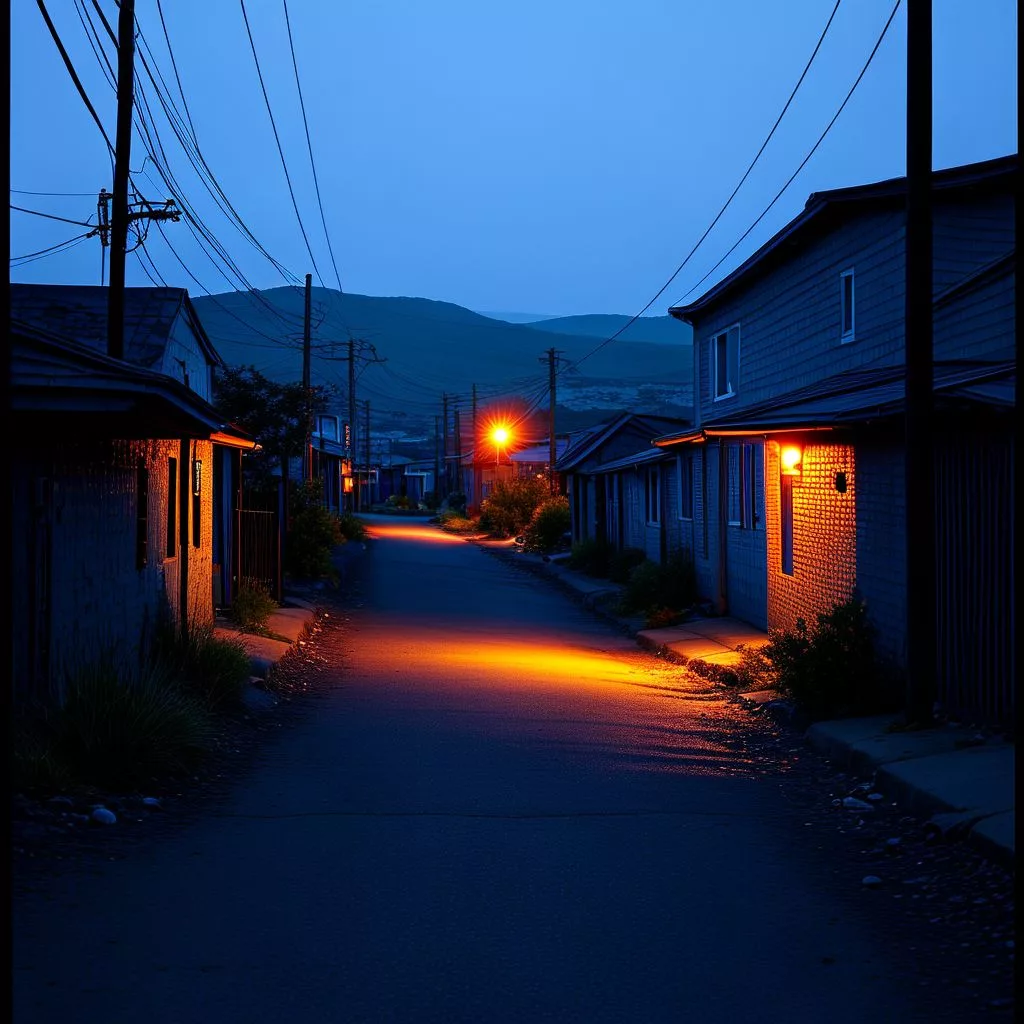
In the heart of Elsies River, nestled on the outer rim of Cape Town, the absence of electricity has thrown the routines of Avonwood’s residents into disarray. For nearly fourteen days, families living along May, Betty, and Norwood streets have navigated a world stripped of modern comforts. Every aspect of daily life—cooking, cleaning, caring for loved ones—now revolves around the unpredictable hope that the lights might flicker back on.
Electricity, often taken for granted, proves essential for far more than convenience. Its sudden loss exposes just how deeply intertwined it is with health and safety. Carl Houtsamer, a longtime resident of Blydoorn Court, has become the voice of his neighborhood’s frustrations. Each day, he logs new complaints with Eskom, South Africa’s beleaguered electricity provider, only to receive yet another reference number and little else in return.
Houtsamer’s phone overflows with desperate messages from neighbors. On July 13, one reached out with urgency: “I was just about to put my asthma machine on then the power went off at 9.50. Please assist.” Such stories underscore that electricity is not a luxury—but a life-sustaining necessity, especially for the vulnerable and chronically ill who depend on medical devices.
Adapting in Adversity: Community Solidarity and Everyday Challenges
Without power, Avonwood’s residents have improvised creative solutions to keep daily life afloat. Houtsamer now relies on an extension cord from a neighbor’s home to keep his refrigerator running and his television operational. This simple act of sharing highlights a spirit of mutual aid—a quality that has helped South Africans weather many storms, both natural and political.
The blackout’s impact stretches far beyond individual homes. Desmond Bailey, a minister from nearby Norwood Road, recalls the toll darkness took on his church. For two months, his congregation braved evenings without electricity, eventually suspending nighttime services out of fear for personal safety. The lack of streetlights and inactive security systems emboldened criminals, leaving elderly residents particularly exposed and anxious.
In the face of these dangers and disruptions, the community’s response has been a mix of resilience and ingenuity. Neighbors check on each other, share extension cords, and pool resources to keep essentials running. The church, even in darkness, remains a focal point—now hosting gatherings during daylight and in members’ homes. While the outages strain patience, they also reinforce the ties that bind the community together.
Eskom, Infrastructure, and the Weight of History
Eskom, South Africa’s state-run electricity supplier, responds with generic promises of increased efforts and progress. Yet, for the people of Elsies River, such assurances ring hollow as their homes remain shrouded in darkness. Decades ago, the electrification of townships symbolized national progress and a step away from the deep inequalities of the past. The ambitious rollouts of the 1990s offered hope of a brighter, more equitable future for all South Africans.
However, persistent underinvestment, aging infrastructure, and mismanagement have eroded the reliability of that promise. These systemic weaknesses manifest in towns like Avonwood—where a single broken cable or delayed repair leaves entire streets in limbo. The National Energy Regulator continues to express concern over Eskom’s slow pace of maintenance and the crumbling state of the country’s electrical grid.
Elsies River’s struggle mirrors a larger South African reality. Communities across the nation grapple with rolling blackouts that disrupt education, healthcare, and economic activity. While global debates focus on transitioning to renewable energy, the immediate crisis here is access—many residents still simply long for the steady hum of electricity, not the complexities of green technology.
The Human Cost: Creativity, Resilience, and Lost Opportunities
As blackouts become a fixture of South African life, communities adapt in both practical and creative ways. Children gather around battery-powered lanterns, inventing games and listening to family stories instead of watching evening cartoons. Adults improvise meals from what survives in warming fridges and try to preserve a sense of normalcy around candlelit tables.
These disruptions have inspired Cape Town’s artists and writers, who channel experiences of darkness into their work. Murals now depict shadowed skylines, poets pen verses about lives on pause, and musicians compose songs that echo with longing for stability. These acts of creative resistance recall traditions born from earlier struggles, proving that culture endures even in the absence of power.
Yet, the toll remains high. Food spoils, small businesses falter, and those who rely on medical equipment face heightened risks. The absence of electricity complicates everything from staying connected to the outside world to safeguarding families from crime. Where once the flick of a switch promised instant comfort, now it serves as a reminder of uncertainty and fragility.
Beyond Avonwood: Lessons on Community and Vulnerability
What’s happening in Elsies River is not unique, but it offers a powerful lesson in the fragility of modern life. In a world where technology dominates, the loss of a single utility can unravel the fabric of daily existence. Smartphones become little more than dead weight without a charge, and the refrigerator—a symbol of security—turns into a container for wasted food.
Despite the hardships, residents continue to find strength in community. Houtsamer’s extension cord, stretching between neighbors, becomes a metaphor for the connections that sustain Avonwood. Residents gather to share updates, offer support, and hold onto hope that the lights will soon return. In the church, daylight services and home gatherings recreate a sense of belonging, even as routines shift.
The ongoing outages highlight a broader crisis of trust in public institutions. Blackouts, once associated with distant crises or historical upheavals, now mark an everyday reality—a slow erosion of confidence in the systems designed to safeguard society. Elsies River’s experience serves as a stark reminder that access to electricity remains a fundamental need, one that underpins health, safety, and opportunity.
The Path Forward: Holding On to Hope
As darkness lingers along May, Betty, and Norwood streets, so too does the resolve of those living there. The frustration, creativity, and solidarity displayed during this crisis speak to the unyielding spirit of the community. Avonwood emerges not only as a place challenged by adversity, but also as a testament to the power of unity in the face of uncertainty.
While the broader issues of infrastructure and governance demand urgent attention from policymakers, the everyday acts of kindness, adaptation, and resilience seen in Elsies River offer hope. The community waits—sometimes in anger, sometimes in weary patience—for the return of light. But even in shadow, they refuse to surrender their sense of connection, dignity, and possibility for a brighter future.
What challenges do residents of Elsies River face during prolonged power outages?
Residents struggle with daily activities such as cooking, preserving food, and maintaining hygiene without electricity. The outages also threaten safety due to the absence of streetlights and security systems, increasing crime risks, especially for the elderly. Medical needs become critical, as devices like asthma machines depend on power. Overall, these blackouts disrupt health, security, and everyday life.
How do people in Elsies River cope and support each other during blackouts?
Community members share resources such as extension cords and help keep essential appliances running by pooling power from neighbors. They shift social gatherings to daylight hours or members’ homes, including church services, which move indoors during the day for safety. Neighbors check on vulnerable individuals and collaborate to maintain connection and morale despite the darkness.
What role does Eskom play in the power crisis affecting Elsies River?
Eskom, South Africa’s national electricity provider, is responsible for maintaining the electrical grid but has struggled with aging infrastructure, underinvestment, and mismanagement. Despite residents’ complaints and urgent requests, solutions and repairs are often delayed, leaving communities like Elsies River without reliable electricity for extended periods.
Why are power outages so persistent in Elsies River and similar communities?
Persistent blackouts stem from systemic issues: outdated and poorly maintained infrastructure, slow repair processes, and insufficient investment in the electrical grid. These problems reflect broader national challenges within Eskom and the energy sector, compounded by the high demand and complexity of supplying electricity to historically underserved areas.
How have the outages influenced the culture and daily life in Elsies River?
Blackouts have inspired creative responses, including art, poetry, and music that reflect themes of darkness, resilience, and hope. Families adapt by sharing stories and inventing games around battery-powered lanterns. Despite the hardships, these cultural expressions and community solidarity reinforce identity and spirit during difficult times.
What lessons can be learned from the Elsies River blackout experience?
The experience shows how critical electricity is to modern life, underpinning health, safety, and economic activity. It highlights the vulnerability of communities when essential services fail and underscores the importance of strong infrastructure and responsive governance. Most importantly, it reveals the power of community solidarity and adaptation as vital tools for resilience in the face of crisis.