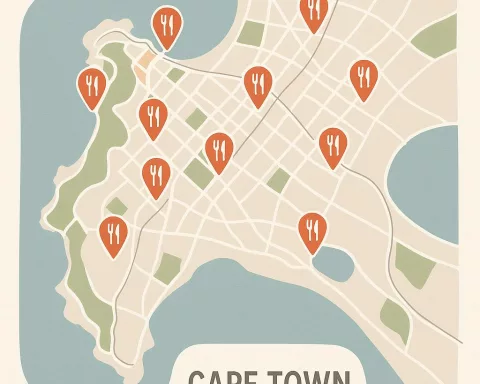
Charlene Overmeyer was sadly taken and killed during a violent home invasion in Lavender, Cape Town. The police worked hard and caught three suspects, with Charles Williams found guilty and given 23 years in prison. This tragic event shows how South Africa continues to fight against crime and tries to bring justice through strong police work and courts. Though the community is hurt, they come together to remember Charlene and find hope for a safer future.
What happened to Charlene Overmeyer and how did the justice system respond?
Charlene Overmeyer was kidnapped and murdered during a home invasion in Lavender, Cape Town. Police arrested three suspects, with Charles Williams convicted and sentenced to 23 years in prison. The case highlights South Africa’s ongoing fight against violent crime and the pursuit of justice through specialized law enforcement and courts.
Lavender’s Long Night
As dusk settled over Steenberg, a quiet unease lingered in the township’s bones. Lavender, a suburb perched on the edge of opportunity and adversity, had grown used to the unpredictable dance between hope and violence. Yet nothing prepared the Overmeyer family for the chilling events that unfolded on July 10, 2024. Their home, a place once filled with laughter and routine, transformed into the backdrop of a tragedy that would haunt not only their lives but also the wider Cape Town community.
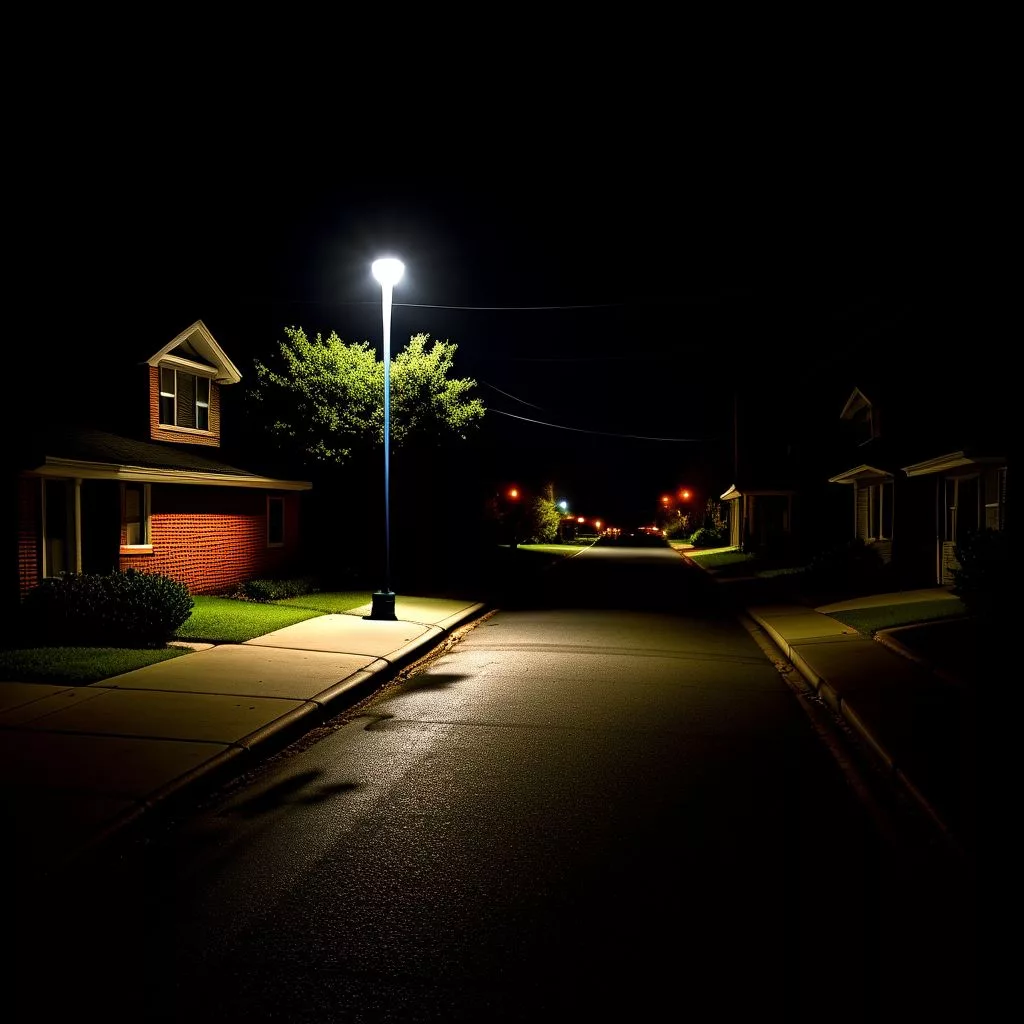
Inside the lounge, Charlene Overmeyer and her loved ones gathered for a typical evening. The television’s glow cast gentle shadows across their faces, momentarily shielding them from the world’s harshness. Without warning, darkness swallowed the room—another instance of South Africa’s all-too-frequent power outages. For most, a blackout is inconvenient but familiar; that night, it would mark the beginning of a nightmare.
Masked men broke the stillness, emerging from the blackness with a chilling resolve. Armed and determined, they seized Charlene, dragging her from her family’s desperate embrace. Her captors shoved her into a waiting vehicle—a silver car that blended easily into the urban sprawl—and sped into the night. The family’s pleas dissolved into silence, leaving behind only shock and a deepening sense of dread as the city seemed to conspire in the crime’s concealment.
The Search for Answers
Crime and justice have always cast long shadows on South African society. In the Overmeyer case, the stark contrast between the warmth of home and the violence that shattered it recalled the dramatic interplay of light and darkness in great works of art, evoking a sense of loss that is both personal and communal. For the family, the nightmare had only just begun.
Upon receiving the urgent distress call, the South African Police Service mobilized specialized teams to tackle the case. The Provincial Organised Crime Investigation Unit and the Anti-Kidnapping Task Team joined forces, pooling their expertise and determination. These units, trained to navigate the complexities of South Africa’s criminal underworld, faced immediate challenges: the city’s intricate geography, informal settlements, and the web of local alliances all stood in the way of a swift resolution.
Days turned into weeks as the Overmeyer family endured a torment of uncertainty. Each morning brought a sliver of hope, only to be extinguished as night fell with no news of Charlene’s whereabouts. In South Africa, such ordeals are all too familiar for families entangled in the country’s persistent crime crisis. The Overmeyers’ anguish echoed the struggles of countless others, highlighting both the resilience and vulnerability that define life in many Cape Town neighborhoods.
A breakthrough came when police received a tip that led them to Vrygrond, a densely populated informal settlement not far from Lavender. Tucked away in a shallow grave, investigators made the heartbreaking discovery of Charlene Overmeyer’s body, ending the family’s anxious wait with a sorrow that reverberated throughout the community.
Justice in the Courts
The investigation quickly yielded suspects. Police arrested three men—Farried Williams, Jason Arendse, and Charles Williams—and placed them under intense scrutiny. Their apprehension stirred a complex mix of emotions: relief that the authorities had acted, but also the persistent pain of loss that no arrest could amend. The charges leveled against them were serious, encompassing murder, kidnapping, and obstruction of justice.
Legal proceedings commenced in the Khayelitsha Magistrates’ Court, a venue known for its role in handling cases that threaten the community’s very fabric. The court quickly denied bail, signaling the gravity of the accusations and the seriousness with which the justice system approached the case. The matter soon transferred to the Khayelitsha Priority Court, reflecting the high stakes involved.
The case centered on forensic evidence and eyewitness testimony. Investigators employed cutting-edge techniques, from DNA analysis to digital tracking, weaving together a careful reconstruction of the crime. The prosecution built a compelling case against Charles Williams, establishing clear links between him, the crime scene, and the events surrounding Charlene’s abduction and murder. However, the evidence against the other two accused did not meet the strict standards required for conviction. Their release underscored the delicate balance between holding suspects accountable and upholding the presumption of innocence—a principle that remains fundamental to the pursuit of justice.
On July 22, 2025, the court delivered its verdict. Charles Williams received a combined sentence of 23 years behind bars: 15 years for murder, five for kidnapping, and three for defeating the ends of justice. Observers noted that the courts have increasingly adopted a tough stance on crimes involving home invasions and violence, especially where family sanctuaries are violated. This legal trend reflects a broader commitment within South African society to prioritize the safety of victims and deter future crimes.
Community Impact and the Road Ahead
The conclusion of the trial brought little comfort to Lavender’s residents. While justice had prevailed in the courtroom, the physical and emotional wounds left by Charlene Overmeyer’s death ran deep. The immediate aftermath saw families in Steenberg, Lavender, and neighboring communities grappling with renewed anxiety. Parents became more vigilant, children sensed the shift in atmosphere, and neighbors looked out for one another with a blend of caution and solidarity.
In response to the trauma, the community’s creative spirit offered a path toward healing. Music, poetry, and murals helped residents express their pain and resilience, transforming grief into a shared source of strength. Grassroots and faith-based organizations stepped in to support the Overmeyers and others affected by violence, offering counseling, gatherings, and opportunities for collective remembrance.
The Overmeyer case illuminated the broader challenges facing Cape Town and similar cities across South Africa. Socioeconomic disparities, high unemployment, and the lingering effects of segregation continue to fuel cycles of crime and insecurity. Despite significant improvements in police training and resources—evident in the work of specialized units—lasting change depends on building trust between law enforcement and the communities they serve.
Cases like Charlene’s force society to confront uncomfortable truths. They highlight the need for both effective policing and community engagement, and for legal systems that balance accountability with fairness. In the end, progress emerges from the willingness to remember the past, learn from tragedy, and foster the hope that future nights in Lavender—and in all of Cape Town—will be brightened not by the flicker of fear, but by the steady glow of justice and solidarity.
Preserving Memory and Seeking Hope
Amid the headlines and court documents, personal memories of Charlene Overmeyer persist. Friends recall her generosity, neighbors speak of her warmth, and family members cherish moments of laughter and care that defined her life. These stories refuse to fade into anonymity, serving as a quiet challenge to the statistics and news reports that so often dominate public discourse.
As the Lavender community looks forward, it draws on these memories and on the bonds forged in hardship. The journey toward healing remains ongoing, shaped by both remembrance and the daily act of resilience. The loss of Charlene Overmeyer cannot be undone, but her story continues to inspire a collective determination to seek safety, justice, and hope for all those who call Lavender home.
In remembering one life lost, the community strengthens its resolve—reminding itself and the world that even in the shadow of tragedy, the light of compassion and courage can still prevail.
FAQ: Shadows Over Lavender – The Overmeyer Family’s Ordeal and Justice Pursuit
1. What happened to Charlene Overmeyer during the home invasion in Lavender?
Charlene Overmeyer was kidnapped and tragically murdered during a violent home invasion at her residence in Lavender, Cape Town, on the evening of July 10, 2024. The invasion occurred amid a power outage, which masked the attackers’ approach. Masked and armed men broke into the Overmeyer family home, forcibly taking Charlene and fleeing the scene. This tragic event deeply affected the family and the wider community, highlighting ongoing safety challenges in the area.
2. How did the South African Police respond to the incident?
Upon receiving the distress call, the South African Police Service rapidly mobilized specialized units, including the Provincial Organised Crime Investigation Unit and the Anti-Kidnapping Task Team. These teams coordinated efforts to investigate the crime thoroughly despite the complex geography and social dynamics of Cape Town’s informal settlements. After weeks of investigation and gathering tips, the police discovered Charlene’s body in a shallow grave in Vrygrond and arrested three suspects connected to the crime.
3. What was the outcome of the trial against the suspects?
Three men—Farried Williams, Jason Arendse, and Charles Williams—were arrested and charged with murder, kidnapping, and obstruction of justice. After a detailed legal process at the Khayelitsha Priority Court, only Charles Williams was convicted. He received a combined sentence of 23 years: 15 years for murder, 5 years for kidnapping, and 3 years for defeating the ends of justice. The other two suspects were released due to insufficient evidence meeting the standards required for conviction. This outcome reflects the judiciary’s commitment to both justice and the presumption of innocence.
4. How has the community in Lavender and surrounding areas been affected by this tragedy?
The murder of Charlene Overmeyer deeply shook the Lavender community, intensifying feelings of fear and vulnerability among residents. Families became more vigilant, and neighbors strengthened ties through mutual support and watchfulness. In response to the trauma, local grassroots and faith-based organizations have provided counseling and opportunities for communal healing, including through art, music, and poetry. These initiatives help transform grief into resilience and foster ongoing solidarity within the community.
5. What broader social issues does this case highlight in Cape Town and South Africa?
This case underscores persistent challenges in South Africa, such as socioeconomic inequalities, high unemployment, and the legacy of segregation, all of which contribute to cycles of violent crime. It also highlights the difficulties law enforcement faces in navigating complex urban environments where informal settlements and social networks can obscure criminal activity. The case demonstrates the importance of specialized police units, improved forensic techniques, and community cooperation to enhance public safety and justice.
6. What lessons and hopes have emerged from the Overmeyer family’s ordeal?
While the loss of Charlene Overmeyer is irreplaceable, her story has galvanized both the community and law enforcement to continue striving for justice and safer neighborhoods. The tragedy reinforces the need for effective policing balanced with community trust and legal fairness. Moreover, it inspires ongoing remembrance and healing efforts, encouraging residents to transform pain into collective action. Ultimately, the case serves as a somber reminder of resilience—a call to foster compassion, courage, and hope for a future where violence no longer overshadows the lives of Lavender’s families.