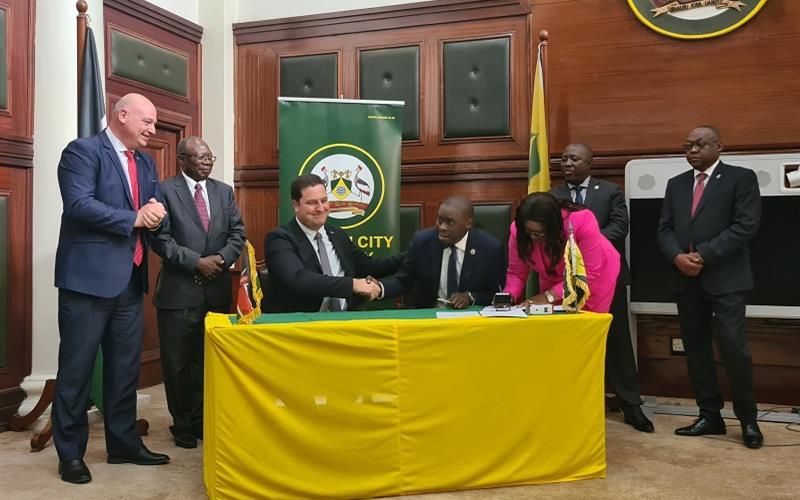
Sister Cities: Cape Town and Nairobi

1 min read
nairobi sister cities

The potential benefits of the collaboration between Cape Town and Nairobi are significant, as they can work together to strengthen their tourism markets, cooperate in their film industries, and enhance bilateral trade. Additionally, both cities can share knowledge and partnerships in areas such as infrastructure provision, affordable housing delivery, and clean energy.

Shared Goals and Similarities

Cape Town and Nairobi are experiencing rapid urbanization and have populations of similar sizes. Mayor Hill-Lewis believes that their shared goals of becoming globally competitive and attracting businesses make Nairobi the perfect partner for Cape Town. Both cities have a lot in common, including their importance as tourism giants on the African continent and their reputations as gateways to their countries’ attractions.

Newsletter

Stay Informed • Cape Town

Get breaking news, events, and local stories delivered to your inbox daily. All the news that matters in under 5 minutes.

Join 10,000+ readers
No spam, unsubscribe anytime

First City-to-City Cooperation Agreement

This partnership is significant as it marks the first city-to-city cooperation agreement for Hill-Lewis’s administration, intentionally choosing an African city for this collaboration. This is a positive step towards strengthening the relationship between African cities and promoting intra-African trade and cooperation.

Shared Vision

The signing of this agreement is a testament to the shared vision of both leaders, Hill-Lewis and Sakaja, who are both young politicians with a passion for youth leadership development and a belief in their cities’ potential for innovation, sustainability, economic growth, and caring governance.

Beacons of Light

In these challenging global times, both Nairobi and Cape Town can become beacons of light, freedom, and democracy on the African continent, spreading a message of peace for a brighter and prosperous future for their people. This agreement has the potential to initiate a close bond between the two cities, enabling them to prosper together and contribute to the development of the African continent.

A Russian-Spanish journalist and Cape Town native, channels his lifelong passion for South Africa into captivating stories for his local blog. With a diverse background and 50 years of rich experiences, Serjio's unique voice resonates with readers seeking to explore Cape Town's vibrant culture. His love for the city shines through in every piece, making Serjio the go-to source for the latest in South African adventures.

Leave a Reply

Your email address will not be published.

Previous Story

Enhancing Tourism Facilities in Agulhas National Park

Next Story

The Lesotho Highlands Water Project: Addressing the Water Needs of South Africa’s Most Populous Province

Latest from Blog

Dawn, Dirt and Dinner: A Willowvale Kitchen Without Walls

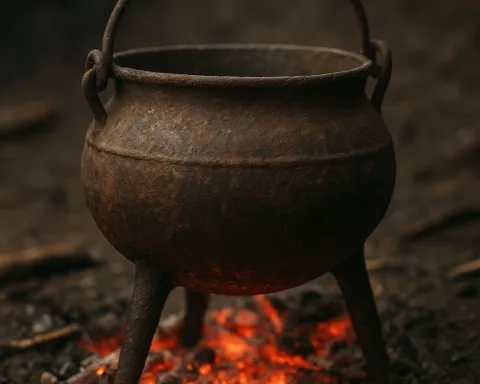
In Willowvale, farmers cleverly plant in manurefilled pits to save water and feed the soil. They also build special ditches to catch rainwater, making sure not a single drop goes to waste. Cooking happens outdoors, over crackling fires, using fresh food grown right there. They even turn old things into new cooking tools. It’s all about living close to the earth and making every bit count, showing a deep love for nature.

Cape Town Quietly Rewrites the Rules Between Tradition and the State

Cape Town is cleverly changing how it supports traditional initiation camps. They now treat these camps like temporary city areas, providing water, toilets, and trash pickup. This helps keep everyone safe and healthy, using smart data to track everything. It’s a quiet revolution, making sure old traditions fit smoothly into modern city life, and other cities are starting to notice this clever plan.

South Africa Plays Hardball on Hoof-and-Mouth: A Five-Year Blitz to Reopen R7 Billion in Beef Trade

South Africa is launching a massive fiveyear plan to crush FootandMouth Disease for good. They’re upgrading labs, getting tons of vaccines, and working with villages to tag and track every animal. This tough new strategy, backed by big money, aims to reopen a R7 billion beef trade with countries like China and the EU. They’re using strict rules, new tech, and even special meetings with local leaders to make sure no sick animal slips through. It’s a fullon war to protect their cattle and bring back their valuable beef exports!