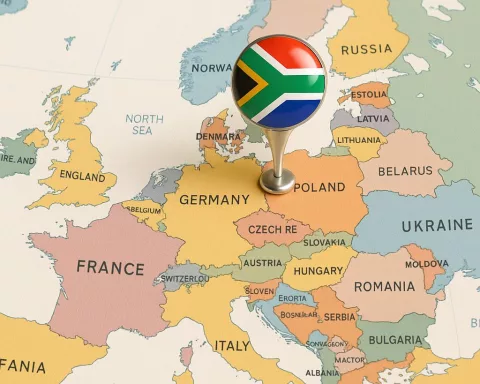

The relationship between South Africa and the United States is shaky right now, stirred up by bold comments from figures like Donald Trump and Elon Musk. Trump has called South Africa a “dangerous mess,” focusing on crime and racial issues, while Musk chimed in with his own criticisms, particularly about government policies he sees as unfair. Reactions in South Africa are mixed; some think these remarks exaggerate real problems, while others see a reflection of genuine issues. This situation highlights not just the challenges faced by South Africa, but also how personal experiences can shape political views, making it clear that the country’s story is rich and complex.
What is the current state of the South Africa and United States relationship?
The relationship between South Africa and the United States is currently marked by controversy, fueled by provocative remarks from figures like Donald Trump and Elon Musk. Their comments have reignited discussions on crime, racial tensions, and governance, reflecting both personal grievances and broader socio-political issues within South Africa.
Trump’s Provocative Statements
The geopolitical dynamics between South Africa and the United States have plunged into turmoil once more, driven by provocative remarks from former US President Donald Trump and billionaire tech mogul Elon Musk. These comments have set off a heated discussion focusing on crime, racial tensions, and governance in South Africa, offering an intriguing view into the complex relations between these two nations.
Trump’s recent outbursts on his Truth Social platform are characteristic of his blunt, often inflammatory style. “As I have long been saying, South Africa is a total—and very dangerous—mess,” Trump announced, rekindling a debate that has simmered for years. He accused South Africa of systemic racial discrimination against its white minority, particularly Afrikaners. During his time in office, Trump even issued an Executive Order allowing members of this minority group to apply for refugee status in the US, adding strain to diplomatic ties.
Elon Musk’s Complex Connection
Elon Musk, born and raised in Pretoria, South Africa, adds complexity to this already tangled scenario. Over the weekend, Musk took to X (formerly Twitter), echoing Trump’s sentiments while adding his own harsh criticisms. He specifically targeted Julius Malema, leader of the Economic Freedom Fighters (EFF), for chanting the controversial struggle song “Kill The Boer.” “Very few people know that there is a major political party in South Africa that is actively promoting white genocide… A whole arena chanting about killing white people,” Musk tweeted, highlighting the persistent racial tensions within the nation.
Musk also criticized South Africa’s economic policies, particularly the Expropriation Bill and the Black Economic Empowerment (BEE) Act, describing them as “racist laws.” His grievances extend beyond politics; they’re personal. Musk’s satellite internet company, Starlink, has been denied a license to operate in South Africa, a decision he attributes to racial discrimination. “Starlink can’t get a license to operate in South Africa simply because I’m not black. How is that right?” he questioned, intensifying the controversy surrounding his remarks.
Polarized Reactions and Historical Context
Predictably, reactions within South Africa to Trump and Musk’s comments have been divided. Some dismiss their statements as fearmongering and gross overstatements, while others argue that their critiques spotlight genuine issues within the country. It’s undeniable that South Africa faces high crime rates and contentious policies on land expropriation and black economic empowerment. However, the framing of these issues by Trump and Musk—two figures wielding significant influence and biases—complicates the narrative.
Understanding the historical context is crucial. South Africa’s transformation from apartheid to democracy is a story of resilience and change. Yet, apartheid’s legacy casts a long shadow, resulting in ongoing economic disparities and social tensions. Policies like the BEE Act aim to address historical injustices, but they have their critics. Some argue these measures introduce a new form of discrimination, while others see them as necessary steps toward a more equitable society.
Musk’s Travel Warnings and Broader Implications
Adding another layer to the discourse, Musk’s travel advice warns potential tourists with a stark dichotomy. “Cape Town is essentially a beautiful theme park and is generally kept safe for the tourists, so staying in the tourist areas is probably ok,” he tweeted. But he followed with a severe caution: “Other parts of the country can be extremely dangerous for a woman travelling alone with no gun.” This juxtaposition—of picturesque landscapes against areas of high risk—captures the complexities of modern South Africa.
Musk’s personal ties to South Africa lend weight to his words, but also introduce bias. His criticisms may originate from genuine concern, but they also reflect his own grievances and experiences. It’s a reminder that perspectives on South Africa, particularly from influential figures like Trump and Musk, are often shaped by personal and political contexts.
Political Timing and Broader Questions
The timing of these remarks is significant. Both the United States and South Africa face upcoming elections, a backdrop that undoubtedly colors the discourse. In the US, Trump’s comments fit his broader narrative of law and order, a key theme in his political playbook. For Musk, a vocal critic of both the South African government and what he perceives as media bias, the comments reinforce his broader stance against regulatory constraints and perceived injustices.
Beyond the political maneuvering and personal grievances lies a deeper question: how much of these criticisms reflect reality? South Africa undoubtedly faces significant challenges, from crime to economic inequality. However, the nation is also defined by its resilience, cultural richness, and ongoing efforts to build a more inclusive society. The perspectives of Trump and Musk, while influential, offer just one lens through which to view this multifaceted country.
Cultural Narratives and Nuanced Perspectives
Art and literature, often mirrors to society, provide additional layers to this narrative. South African artists and writers, from Nadine Gordimer to Athol Fugard, have long explored themes of identity, struggle, and transformation. Their works offer nuanced insights that sharply contrast with the broad strokes of political rhetoric. These cultural narratives remind us that South Africa’s story is more complex and layered than any single perspective can capture.
Examining the tensions between South Africa and the United States reveals the interplay of historical context, personal experience, and political agenda. Trump and Musk’s comments serve as catalysts for broader discussions about race, governance, and South Africa’s future. Yet, they also remind us of the importance of approaching such discussions with nuance and an awareness of the diverse perspectives shaping our understanding.
“`markdown
FAQ on the South Africa and United States Relationship
What are the current issues affecting the South Africa and United States relationship?
The relationship is currently strained due to controversial comments from prominent figures like Donald Trump and Elon Musk. Their remarks focus on crime, racial tensions, and governance in South Africa, stirring mixed reactions within the country and adding complexity to diplomatic ties.
What did Donald Trump say about South Africa that has caused controversy?
Donald Trump described South Africa as a “dangerous mess,” highlighting systemic racial discrimination against the white minority, particularly Afrikaners. His comments have rekindled a discussion around the nation’s challenges and added tension to the relationship between the two countries.
How has Elon Musk contributed to the conversation about South Africa?
Elon Musk, who was born in South Africa, echoed Trump’s sentiments and criticized government policies he perceives as unfair, such as the Expropriation Bill and the Black Economic Empowerment Act. He also expressed frustration over his satellite company, Starlink, being denied a license to operate in South Africa, attributing this to racial discrimination.
What are the reactions within South Africa to the comments made by Trump and Musk?
Reactions in South Africa are polarized. Some view their remarks as exaggerated and fearmongering, while others believe they highlight real issues such as high crime rates and complex economic policies. This division reflects the broader social and political complexities within the country.
Why is the historical context important in understanding the South Africa and US relationship?
Understanding South Africa’s history, particularly its transition from apartheid to democracy, is crucial. The legacy of apartheid has resulted in ongoing economic disparities and social tensions. Policies aimed at addressing these historical injustices, while necessary, have also faced criticism, complicating the narrative around the country’s progress and challenges.
What broader implications do the comments by Trump and Musk have for South Africa’s future?
The remarks may shape perceptions of South Africa internationally and influence political discourse both there and in the United States. They raise questions about the real challenges the nation faces, including crime and economic inequality, while also highlighting the resilience and cultural richness that characterize South Africa’s ongoing transformation.
“`