South Africa Faces Energy Demand Surge as Winter Approaches

1 min read
south africa energy demand

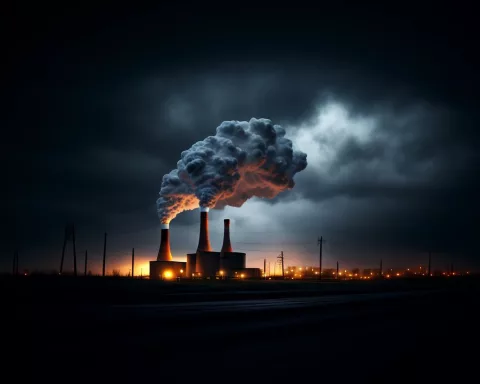
As the winter season fast approaches, South Africa braces for a surge in energy demand, which further intensifies the pressure on the state-owned power company, Eskom. Eskom has cautioned about the possible occurrence of power outages to forestall an entire collapse of the national grid.

Eskom’s Production Capacity Falls Short

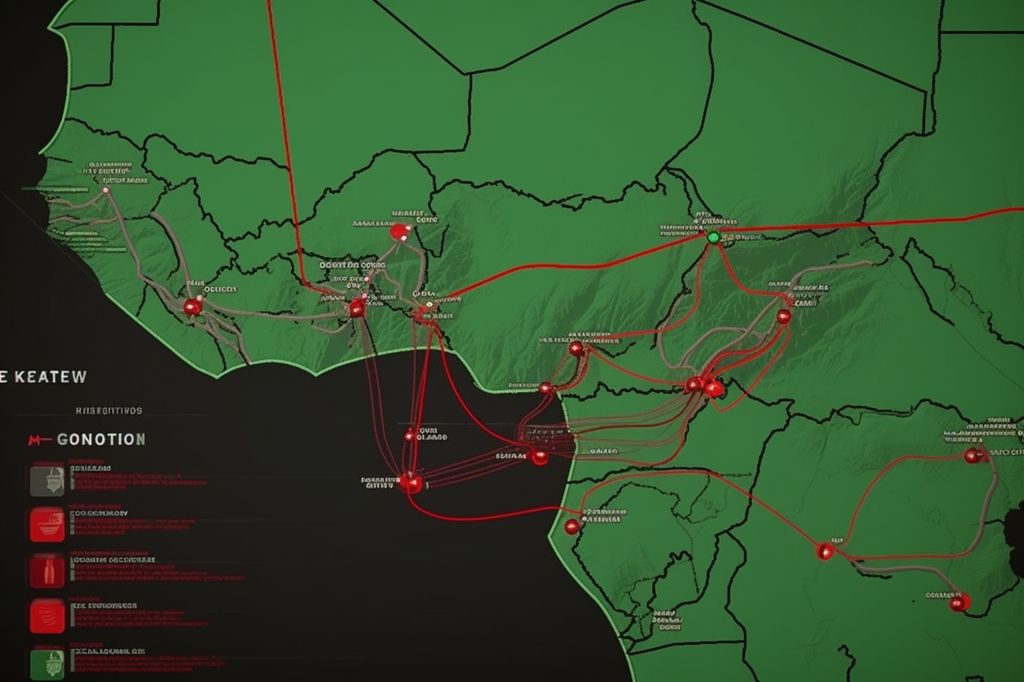
South Africa’s energy demand is projected to hit a peak of about 33,000 megawatts, while Eskom’s current production capacity is limited to 26,000 megawatts. Load shedding, which involves scheduled power cuts to balance supply with demand, is a measure employed by Eskom. However, these outages could persist if maintenance works fail to produce the desired results.

Newsletter

Stay Informed • Cape Town

Get breaking news, events, and local stories delivered to your inbox daily. All the news that matters in under 5 minutes.

Join 10,000+ readers
No spam, unsubscribe anytime

The Worsening Energy Crisis

Over the past year, South Africa’s energy crisis has deteriorated, resulting from inadequate investments in outdated or poorly designed coal-fired power plants and criminal activities such as corruption and sabotage. The country is now at a point where it needs to find a sustainable solution to its energy problems as it prepares for a challenging winter.

The Need for Sustainable Energy Solutions

The situation in South Africa underscores the need for sustainable energy solutions capable of meeting the country’s energy demand without compromise on the environment. Such solutions should not only be environmentally friendly but should also be affordable and reliable. The government and other stakeholders must work collaboratively to find lasting solutions to the country’s energy problems.
Isabella Schmidt is a Cape Town journalist who chronicles the city’s evolving food culture, from Bo-Kaap spice merchants to Khayelitsha microbreweries. Raised hiking the trails that link Table Mountain to the Cape Flats, she brings the flavours and voices of her hometown to global readers with equal parts rigour and heart.

Leave a Reply

Your email address will not be published.

Previous Story

Karpowership Secures 20-Year Access to Key South African Ports

Next Story

Cape Town’s Mayor Geordin Hill-Lewis: Vision and Resilience Amid Challenges

Latest from Blog

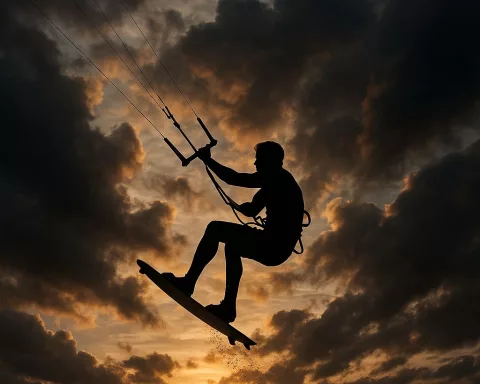
Forty Metres of Air: The Morning Kiteboarding Rewrote Physics

Hugo Wigglesworth, a young kiteboarder, defied gravity and rewrote the record books by soaring an incredible 40 meters into the air. He used powerful winds, a perfectly timed jump off a wave, and special gear to achieve this amazing feat. His careful planning and hundreds of practice runs made him fly higher than anyone before, showing the world what’s possible in kiteboarding.

Airbnb Under Fire: How Cape Town’s Housing Crunch Became a Tourism Blame-Game

Cape Town’s housing woes are NOT really Airbnb’s fault, even though a viral photo tried to blame them! The real problem is that not enough homes are being built, and lots of new people are moving to the city. Getting building permits takes forever, making homes expensive. Airbnb brings in lots of money and jobs, and even if all Airbnbs disappeared, it wouldn’t fix the big housing shortage. The city needs to build more homes and make it easier to do so, not just point fingers at tourists.

Cape Town’s Hottest Tables: Where Summer Tastes Like Salt, Smoke and Midnight Vinyl

Cape Town’s new restaurants are super exciting, offering amazing tastes from the ocean, farms, and even old recipes. Places like Amura serve unique sea dishes, while Tannin has a huge wine list and tiny plates. Café Sofi bakes heavenly pastries, Beach Buns makes awesome burgers, and Le Bistrot de JAN mixes French and South African flavors. These spots let you taste the city’s lively food scene, from fancy dinners to casual beach eats, making every meal an adventure.

Between Concrete and Current – Four Inland Hearts Meet the Indian Ocean

This article tells a beautiful story of four South Africans from inland places who see the Indian Ocean for the very first time. For many, the sea is just a picture, far away and hard to reach. But when these brave people finally touch the salty water, it changes them deeply. They feel the ocean’s power, taste its salt, and understand that this huge, blue world is now a part of their own story, breaking down old ideas about who can connect with the sea.