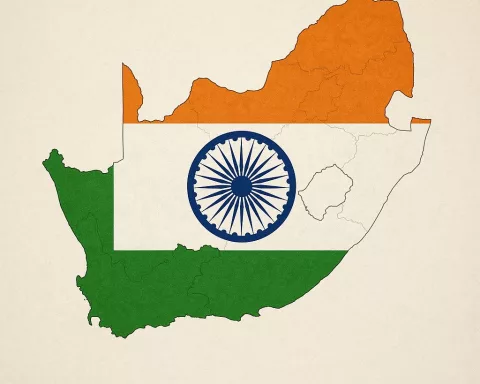
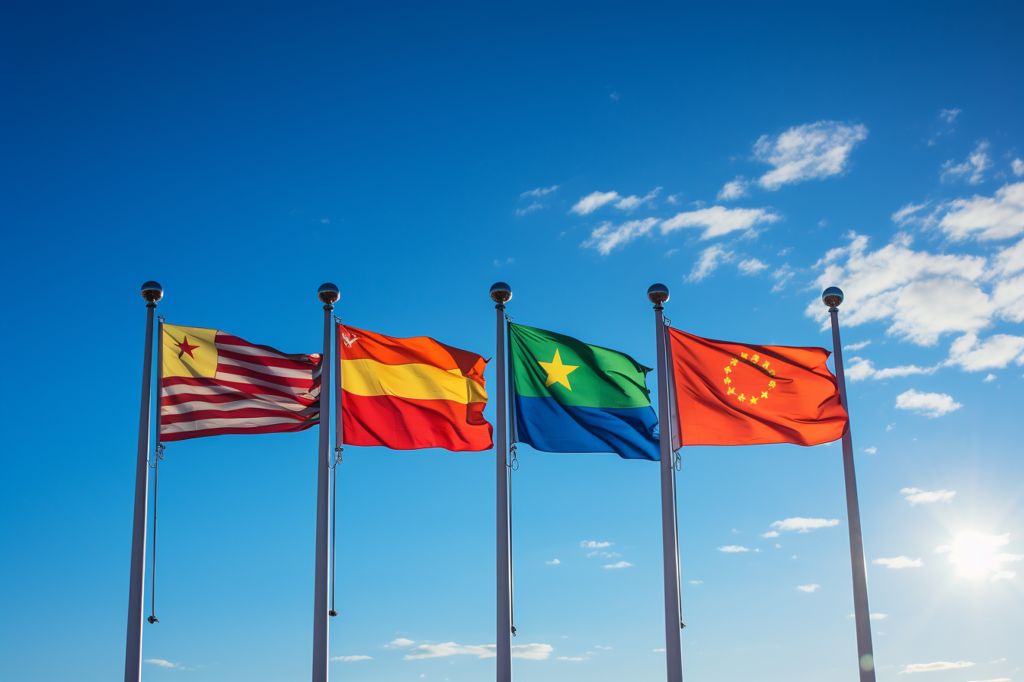
South Africa is hosting the BRICS Employment Working Group (EWG) and the Labour and Employment Ministers’ Meeting (LEMM) in Durban from September 25 to 29, 2023. BRICS is an alliance of Brazil, Russia, India, China, and South Africa. The meeting will focus on discussing employment and labor-related matters, innovative approaches to address the challenges, and enhancing cooperation among the countries. South Africa’s involvement in the BRICS EWG and LEMM demonstrates its commitment to cultivating a strong and inclusive labor market and engaging in meaningful dialogue and collaboration with international counterparts.
South Africa Welcomes BRICS Delegates
South Africa, a country known for its cooperative and diplomatic nature, proudly takes on the role of host for the esteemed BRICS Employment Working Group (EWG) and the Labour and Employment Ministers’ Meeting (LEMM) in Umhlanga, Durban. The Minister of Employment and Labour, T.W. Nxesi, has extended an invitation to the media to attend a briefing session on this significant event, demonstrating the nation’s dedication to collaborating with global partners on crucial issues.
BRICS, which stands for Brazil, Russia, India, China, and South Africa, is a formidable alliance of emerging economies wielding substantial influence in global affairs. The EWG and LEMM meetings serve as a forum for discussing employment and labor-related matters, enhancing cooperation, and encouraging innovative approaches to addressing urgent challenges in this area.
The lively city of Durban, South Africa, sets the scene for this assembly, which began on September 25th and is set to conclude on September 29th, 2023. The Beverly Hills Hotel in Umhlanga will host the briefing session scheduled for September 27th, where Minister Nxesi will address the media and provide insights into the ongoing discussions.
The Importance of International Cooperation
The partnership among these five nations highlights the significance of international cooperation in tackling the complex issues related to employment and labor. As the world grapples with ongoing challenges such as economic inequality, unemployment, and workforce development, the BRICS alliance aims to devise comprehensive strategies that consider the unique perspectives and experiences of each member country.
South Africa’s involvement in the BRICS EWG and LEMM emphasizes its commitment to cultivating a strong and inclusive labor market. The country has actively implemented policies and initiatives to enhance the quality of life for its citizens, such as the National Development Plan, which seeks to eradicate poverty and decrease inequality by 2030.
By hosting the BRICS EWG and LEMM meetings, South Africa reaffirms its dedication to engaging in meaningful dialogue and collaboration with its international counterparts. Through the sharing of knowledge, resources, and best practices, the participating nations can join forces to address critical employment and labor concerns, ultimately creating a brighter future for their citizens.
Key Topics and Insights
Throughout the meetings, delegates are anticipated to discuss a variety of relevant subjects, including labor market trends, skills development, social security, and the impact of technology on employment. Additionally, they will examine strategies for promoting decent work and fostering inclusive growth, ensuring that the benefits of economic development are distributed equitably among all members of society.
These conversations will undoubtedly draw on the rich cultural and historical backgrounds of the participating nations, as well as their diverse experiences in addressing labor and employment challenges. By merging their expertise and insights, the BRICS countries can develop innovative solutions to complex problems, laying the foundation for a more prosperous and inclusive global economy.
South Africa’s role as the host of the BRICS EWG and LEMM meetings represents its growing prominence on the world stage. Over recent decades, the country has emerged as a symbol of hope and progress, overcoming the legacy of apartheid and charting a new course towards economic growth and social justice.
Embracing Global Collaboration
By embracing its role as a key player in the global economy, South Africa has shown its commitment to engaging with both established and emerging powers. The BRICS alliance serves as a testament to the importance of collaboration in addressing the world’s most pressing challenges, transcending traditional geopolitical boundaries in the pursuit of shared goals and aspirations.
As the BRICS EWG and LEMM meetings proceed in Umhlanga, South Africa can take pride in its role as a catalyst for change and progress. By providing a platform for dialogue and collaboration, the nation is helping to shape a brighter future for the millions of citizens who call the BRICS countries home.
The media briefing session, scheduled for September 27th, will offer an invaluable opportunity for journalists and the public alike to gain insights into the inner workings of these high-level meetings. Minister Nxesi’s remarks will likely illuminate the key issues and developments that have emerged throughout the discussions, providing a glimpse into the intricate world of international diplomacy and cooperation.
In hosting the BRICS EWG and LEMM meetings, South Africa has once again demonstrated its commitment to fostering a more interconnected and inclusive global community. As the delegates continue their important work, one can only hope that their collective efforts will produce tangible results, paving the way for a more prosperous and equitable future for all.
1. What is the BRICS Employment Working Group (EWG) and Labour and Employment Ministers’ Meeting (LEMM)?
The BRICS Employment Working Group (EWG) and Labour and Employment Ministers’ Meeting (LEMM) are forums for discussing employment and labor-related matters, enhancing cooperation, and encouraging innovative approaches to addressing urgent challenges in the field.
2. What is the BRICS alliance?
The BRICS alliance is an organization comprising Brazil, Russia, India, China, and South Africa, five emerging economies wielding substantial influence in global affairs.
3. What is the significance of international cooperation on employment and labor issues?
International cooperation is crucial in tackling complex issues related to employment and labor, such as economic inequality, unemployment, and workforce development. By collaborating, participating nations can share knowledge, resources, and best practices to address critical employment and labor concerns, ultimately creating a brighter future for their citizens.
4. What is South Africa’s role in the BRICS EWG and LEMM meetings?
South Africa is hosting the BRICS EWG and LEMM meetings and demonstrating its commitment to cultivating a strong and inclusive labor market and engaging in meaningful dialogue and collaboration with international counterparts.
5. What topics are expected to be discussed during the meetings?
Delegates are anticipated to discuss a variety of relevant subjects, including labor market trends, skills development, social security, and the impact of technology on employment. They will also examine strategies for promoting decent work and fostering inclusive growth, ensuring that the benefits of economic development are distributed equitably among all members of society.
6. What is South Africa’s National Development Plan?
South Africa’s National Development Plan seeks to eradicate poverty and decrease inequality by 2030.
7. What is the significance of South Africa’s role as the host of the BRICS EWG and LEMM meetings?
South Africa’s role as the host of the BRICS EWG and LEMM meetings represents its growing prominence on the world stage and its commitment to fostering a more interconnected and inclusive global community.
8. What is the purpose of the media briefing session scheduled for September 27th?
The media briefing session will offer an invaluable opportunity for journalists and the public alike to gain insights into the inner workings of these high-level meetings. Minister Nxesi’s remarks will likely illuminate the key issues and developments that have emerged throughout the discussions, providing a glimpse into the intricate world of international diplomacy and cooperation.