The South African Energy Investment Forum is a critical platform for stakeholders to address energy deprivation, stimulate investment, and reduce carbon emissions. The government’s strategy includes the Integrated Resource Plan (IRP) to increase energy capacity, eliminate transmission capacity limitations, and encourage embedded generation. Nuclear and gas are expected to play a vital role in South Africa’s energy transition, with a focus on engaging communities and encouraging investments to ensure effective information dissemination and active community involvement in the industry. Overall, the forum serves as a beacon of hope for a sustainable and prosperous future in the energy sector.
What is the South African Energy Investment Forum and its role in shaping the energy sector?
The South African Energy Investment Forum is a platform for stakeholders to discuss critical energy concerns. Its goal is to address energy deprivation, stimulate investment, and reduce carbon emissions. The forum has been instrumental in increasing electricity accessibility from 34% in 1994 to over 92% today. The government’s strategy includes the Integrated Resource Plan (IRP), which aims to increase energy capacity, prolong the lifespan of power plants, and eliminate transmission capacity limitations. The government has also revised the Electricity Regulation Act (ERA) to encourage embedded generation.
A Beacon of Hope in the Energy Sector
The South African Energy Investment Forum holds a pivotal role in the energy arena, providing a common ground for diverse stakeholders to discuss critical energy concerns. The theme for this year was “African Energy Transitioning from Aspiration to Action – Delivering a Sustainable and Prosperous Future”, underlining the need for a swift response to energy deprivation, investment stimulation, and carbon emission reduction.
This year’s gathering held particular significance as it coincided with the 30th anniversary of South Africa’s independence, marked by the first democratic elections in April 1994. The forum served as a testament to the South African government’s steadfast commitment to resolving energy deprivation over the past three decades. Their dedication has resulted in an impressive escalation in electricity accessibility, soaring from 34% in 1994 to over 92% today. Nevertheless, the equilibrium between electricity supply and demand continues to be a critical issue, prompting the government to institute decisive actions to restore the balance.
Initiatives for Sustainable Development
The government’s strategy includes rigorous enforcement of South Africa’s electricity infrastructure enhancement plan, the Integrated Resource Plan (IRP). The plan aims to increase energy capacity, prolong the operational lifespan of coal-fired and nuclear power plants, initiate gas-to-power projects, and eliminate transmission capacity limitations. The IPP Office, under the 6th administration, has managed to secure nearly 6,000 megawatts of surrogate energy capacity from diverse sources.
Plans to procure an additional 7,615 megawatts under various Bid Windows are currently underway. Furthermore, Request for Proposals (RFPs) for extra capacity procurement under different Bid Windows are expected to be released by the end of this fiscal year, subject to grid availability.
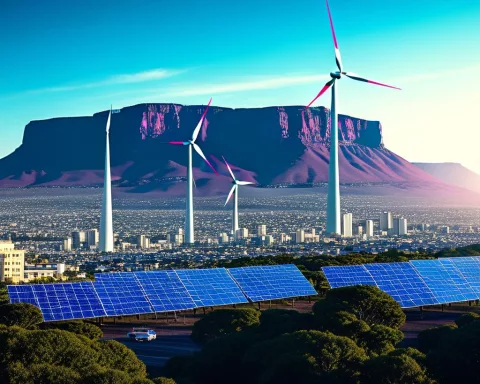
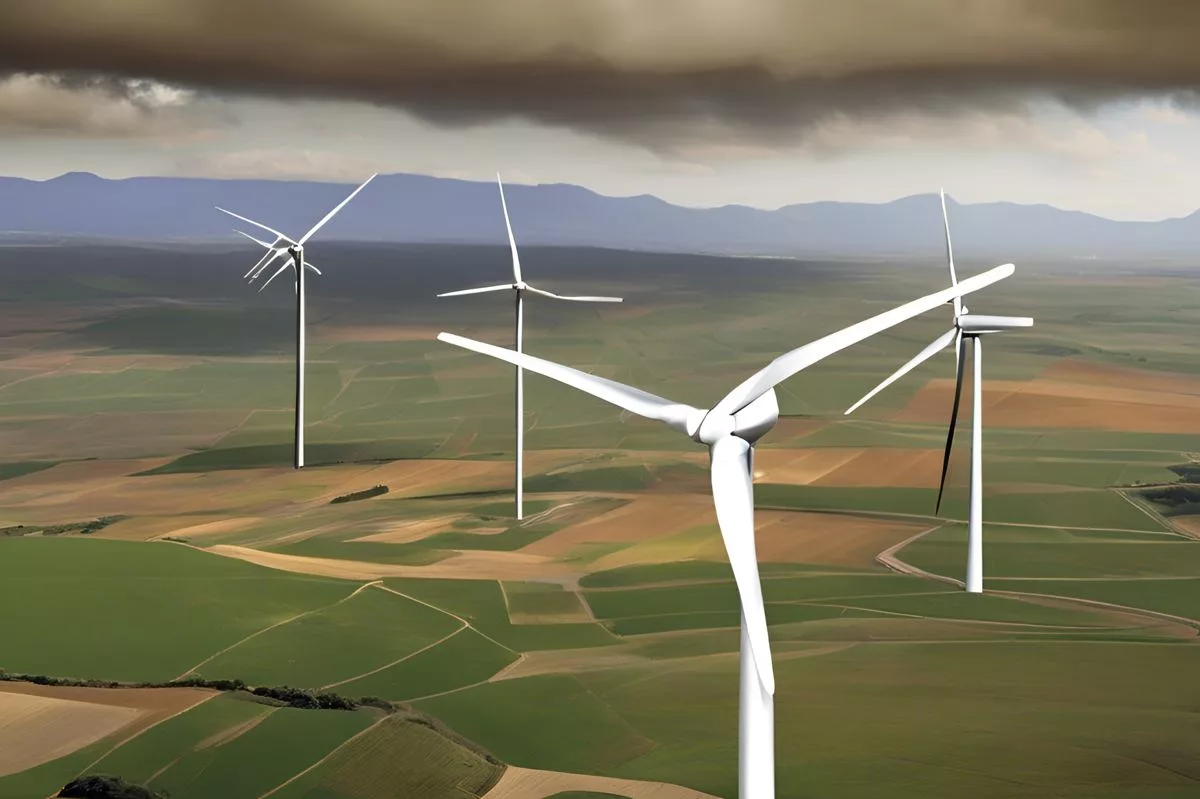
In an attempt to cultivate a favorable investment environment, the government has revised the Electricity Regulation Act (ERA) to encourage embedded generation. This amendment has led to the registration of more than 1,300 power generation facilities with a combined capacity exceeding 6,000 megawatts. Remarkably, at least 32% of this capacity will cater to the mining load, consequently bolstering the sector’s contribution to the country’s GDP.
The Role of Nuclear Power and Gas
Nuclear power, declared by the IRP 2019, is a vital constituent of South Africa’s energy composition. Nuclear and gas, acknowledged as sustainable by the European Union, are expected to significantly contribute to South Africa’s transition from high to low carbon emissions.
The escalating global demand for Liquified Natural Gas (LNG), as highlighted in the Energy Institute’s 72nd edition of Statistical Review of World Energy, emphasizes gas’s pivotal role in the worldwide energy transition. The economic feasibility of Shale Gas in the Karoo, along with the gas discoveries by Kinetiko Energy and TotalEnergies, confirms South Africa’s abundant supply of this natural resource, positioning gas as a potential game-changer in the energy sector.
South Africa, akin to numerous industrialized nations developed by harnessing fossil fuels, has an opportunity to flourish by utilizing these resources. Therefore, it is critical to find enduring solutions to the external-funded backlash against the evolution of the South African Upstream Petroleum Industry.
Engaging Communities and Encouraging Investments
Despite facing certain challenges, the strategies implemented by the South African government have begun to bear fruit. These include initiatives like dialogue with traditional leaders and communities, aimed at fostering a sense of cooperation. The government’s focus remains on maintaining communication with communities and launching more educational programs to ensure effective information dissemination and active community involvement in the industry.
Coal remains an essential component in South Africa’s energy transition. Being a strategic mineral and a crucial source of baseload energy, investment in Carbon Capture, Utilisation, and Storage (CCUS) research persists.
In conclusion, as the participants of this year’s Energy Indaba reflect on the insights shared by the panelists, it is anticipated that they will depart with a newfound enthusiasm to invest in South Africa, positioning it as their favored investment destination.
1. What is the South African Energy Investment Forum?
The South African Energy Investment Forum is a platform for stakeholders to address energy deprivation, stimulate investment, and reduce carbon emissions.
2. What is the government’s strategy in addressing energy needs?
The government’s strategy includes the Integrated Resource Plan (IRP) to increase energy capacity, eliminate transmission capacity limitations, and encourage embedded generation.
3. What role does nuclear power and gas play in South Africa’s energy transition?
Nuclear and gas are expected to play a vital role in South Africa’s energy transition, with a focus on reducing carbon emissions.
4. How is the government engaging with communities and encouraging investments?
The government is focusing on engaging communities and encouraging investments to ensure effective information dissemination and active community involvement in the industry. Initiatives such as dialogue with traditional leaders and communities and launching educational programs have been implemented.
5. What is the significance of the South African Energy Investment Forum?
The South African Energy Investment Forum is a critical platform for stakeholders to address energy concerns and serves as a beacon of hope for a sustainable and prosperous future in the energy sector. It has been instrumental in increasing electricity accessibility from 34% in 1994 to over 92% today.
6. What is the government’s plan for coal in the energy transition?
Coal remains an essential component in South Africa’s energy transition as a strategic mineral and a crucial source of baseload energy. Investment in Carbon Capture, Utilisation, and Storage (CCUS) research persists.