
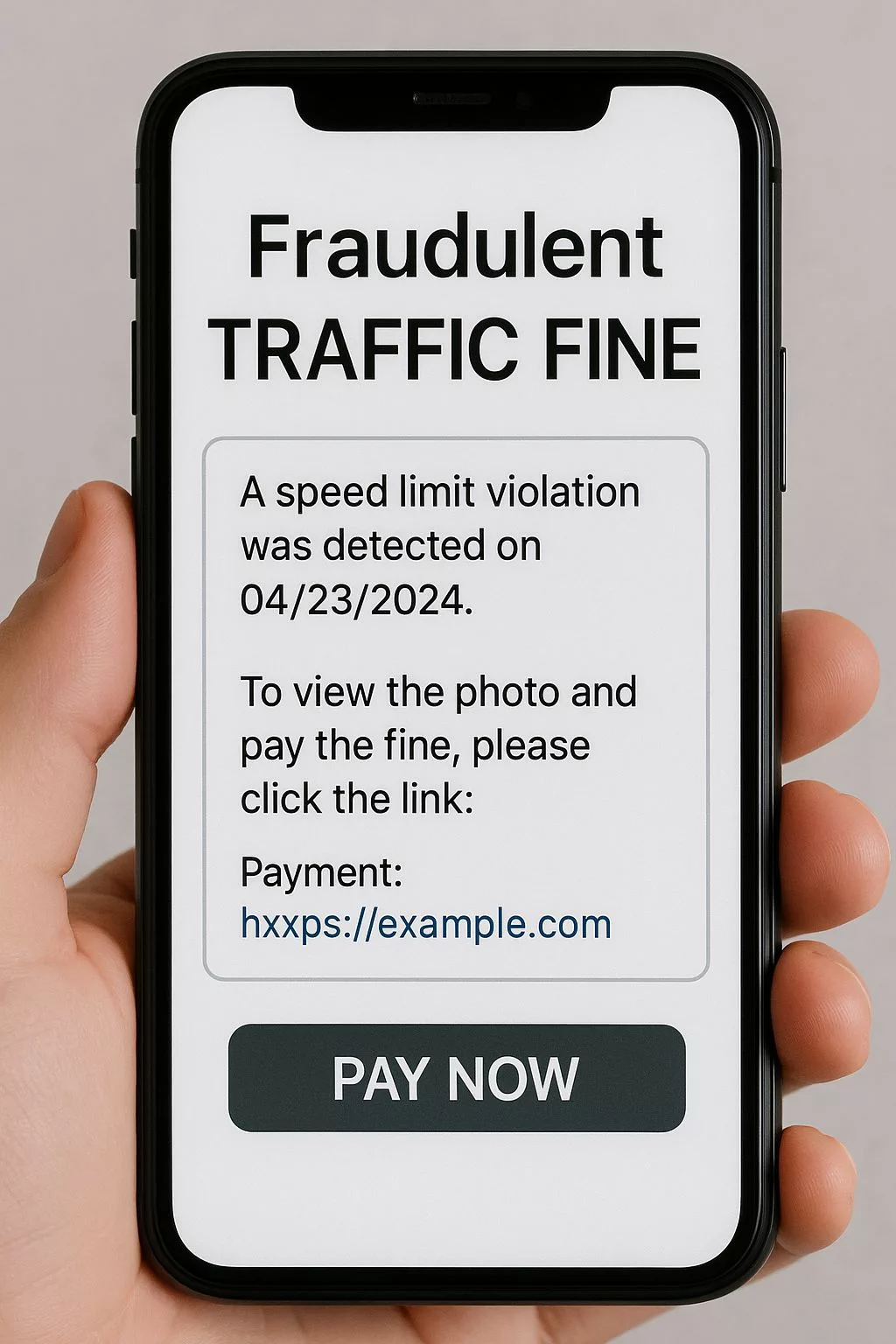
Crooks are using sneaky digital tricks to steal money from South African travelers this December. They send fake SMS messages pretending to be official traffic fines, making people panic and pay up quickly. These new ‘digital hijackers’ create fake websites that look real, asking for bank details. To stay safe, always check the sender, look for weird links or bad grammar, and never pay instantly to a private account. Stay smart, and your holiday money will be safe for fun things!
How to identify and avoid highway digital hijackers in South Africa during December?
To avoid highway digital hijackers, verify SMS sender IDs, check for suspicious links, scrutinize grammar, and ensure legitimate payment channels. Real notices come from branded short-codes, direct to verified gateways, and allow 32 days for payment, not instant settlement.
1. Festive Asphalt, Fresh Villains
Every December, the long roads from Gauteng to the coast turn into open-air theatres. Overheated radiators hiss outside Polokwane, trailers sway under mattresses and mountain bikes, and the Beitbridge queue doubles as a sun-baked pilgrimage. This year the cast list gained an extra character: the cellphone swindler who rides shotgun in your message thread, using the same bumper-to-bumper chaos as a stage for ransom.
Instead of a mask and gun, the modern highway bandit carries screenshots dressed in official colours and a 160-character script whose only purpose is panic. The hustle is no longer “pay or I smash your window”; it’s “pay or the warrant drops at dawn.” Knowing the choreography of this new drama is the fastest way to keep your festive budget for ice-cream and not imposters.
2. Anatomy of the Midnight Text
Motorists say the SMS usually lands after 22:00, just as the last cousin is shoved into the kombi. It is terse, loaded with numerals and urgency:
“FINAL ALERT: Outstanding penalty #GP3981165. Authorised arrest 06:00. Settlement R1 850. Avoid detention here: hxxps://gp-traffic-gov.co[.]za.”
The tale sounds feasible because metro police do, in fact, post e-fines. The link leads to a slick page that borrows the liveries, fonts and even the reassuring padlock of the real payment gateway. Victims type in card numbers, CVVs and home addresses, receive a green-tick confirmation, and only discover the ruse when their bank balance evaporates somewhere in Minsk.
3. Why Croonies Love the Holiday Surge
- Volume : The RTMC braces for 4.2 million long-distance journeys between mid-December and early January. More wheels equal more genuine penalties, giving fraud traffic camouflage.
- Emotion : One father told the Hermanus court he coughed up R2 400 at 02:00 because “I couldn’t let the kids watch me cuffed on Christmas.” Stress deletes common sense.
- Visible policing: Provinces add roughly 5 000 officers and 400 roadblocks. Con artists simply slip into this enforcement parade.
- Flush accounts: December salaries, stokvel payouts and thirteenth cheques mean balances are briefly swollen – perfect for larger, “on-the-spot” loot.
4. Spotting a Phoney SMS
a) Sender ID: Real notices arrive from branded short-codes such as “CITYCT” or “RTMC”. Eleven-digit mobiles or foreign long numbers should raise eyebrows.
b) Link look-out: Domains ending in .top, .ml, .work or hiding behind bit.ly cousins are guilty until proven innocent. Hover on a laptop to see the true destination.
c) Spelling and tone: Sloppy grammar (“licence” with an ‘s’, dollar signs next to rand amounts) or CAPITAL overload are red lights. Legit language stays calm.
d) Payment channel: Genuine platforms redirect to verified gateways – PayCity, EasyPay or your bank. A demand for instant EFT to a private account is outlawed.
e) Clock pressure: The law gives you 32 days to pay or elect court – no provision says “settle in thirty minutes or the handcuffs click.”
5. How Clones Mimic the Real Thing
Cyber-sleuths at Wolfpack Analytics trawled 1.2 million ZA domains and netted 83 live traffic-fine phishing sites. Average lifespan: 11 days – long enough to harvest card data, short enough to dodge takedowns. Dead giveaways: a capital “I” masquerading as an “l” in “municipaI”, HTTP pages wearing stolen padlock icons, or a “.za.com” suffix pretending to be local. Even confirmation PDFs are counterfeited, matching authentic PayCity reference strings down to the last hyphen.
6. Roadside “Spot-Fine” Extortion
Beyond cyberspace, fluorescent bib-wearing tricksters haunt the N2 near Pongola or the lonely N12 in the Karoo. The pitch:
“Your tread depth is 0.9 mm, beneath the 1 mm legal limit. That’s R2 500, but I’ll shred the ticket for R800 cash and you still reach Komatipoort before dark.”
Know the facts:
– Regulation 30 sets a 1 mm minimum, yet officers may not collect cash on the tar.
– A Section 56 notice gives 30 days; Section 341 arrives by mail – neither sanctions immediate money.
– Legit on-the-spot payments use a handheld Speedy-Pay device that spits out a receipt carrying a sequential number and the officer’s appointment code. No paper, no rand.
7. When a Copy of Your ID is a Loaded Gun
Criminals casually ask to “photograph your licence for accuracy.” Add a snapshot of your licence disc and they can:
– Open retail accounts online;
– Port your SIM and catch one-time PINs;
– Register sham companies at CIPC and tender for state work, listing you as director.
- Defensive plays*: carry certified photocopies in a plastic sleeve; store originals in a zipped pouch; refuse to hand over your phone – read the digits aloud instead.
8. Five 90-Second Verification Drills
- Dial 120 4357# , feed in your ID and receive only bona-fide AARTO infringements.
- WhatsApp “Hi” to 087 240 4561 (RTMC bot) and follow prompts.
- Open PayCity, punch in your plate, view penalties with no obligation to pay.
- Install the green Fines SA app, scan your disc barcode and see nationwide offences.
- Phone the RTMC 24-hour line (086 140 0930) and quote the notice number – if it’s absent from the Violations Processing System, hit delete.
Invest those ninety seconds; they routinely rescue thousands of rands.
9. Queue Cons at Beitbridge & Lebombo
Eight-hour tailbacks create a captive market. Current hustles:
– R300 “fast-track” coupons that buy you nothing but a u-turn back to the public lane.
– Photocopied “carbon-tax” certificates for foreign trailers – no such document exists.
– Road-worthiness holograms sold under a gazebo 500 m shy of the official bay.
Remember: only fluorescent staff inside the Zinara or Cross-Border RTT booths process legal docs; clipboard entrepreneurs on the verge are unauthorised.
10. When Fleets Become Prey
A Joburg courier firm recently coughed up R18 000 in Bitcoin after spoofed mail – complete with JMPD crest – threatened to ground its trucks. Tactics include:
– PDFs sent from domains like “jmpd-delivery.org” registered two weeks earlier;
– CC lists stuffed with other “affected” hauliers – actually the scammer’s own aliases – to create herd panic.
- Counter-moves*: channel every payment through one finance desk; plug PayCity or Fines SA APIs into your telematics dash so drivers know any SMS absent from the portal is junk.
11. How Banks & Networks Push Back
Absa, FNB and Nedbank share a live blacklist of phishing URLs; try to pay a scam site and the transaction is auto-blocked. MTN and Vodacom can kill clickable links inside SMSes within two hours of detection – though crooks then pivot to WhatsApp. The .za Domain Authority now suspends rogue sites in a median 11 hours, down from 36, but only if users mail evidence (screenshot, headers) to 419@cybersmart.co.za or phishing@solidarity.co.za.
12. Your 2023/24 Departure Checklist
☐ Store bona-fide verification numbers under “Fines Check – Official” so you’re not web-searching in a 02:00 sweat.
☐ Toggle your banking app to “Block international online purchases” before leaving; flip it back when you need to book that overseas hotel.
☐ Laminate a cubby-hole card: “Spot fines illegal. Demand written notice. Dial 10111 if threatened.”
☐ Photograph your disc, reg papers and ID; encrypt and cloud-store them in case originals disappear.
☐ Teach every licensed family member the 90-second verification drill – scammers feast on the least-informed passenger.
☐ Forward each scam SMS to your network (Vodacom: 31050; MTN: 331) even if you didn’t bite – crowd-blacklisting works.
13. Fear, the Fraudster’s Favourite Fuel
Psychologists map the hustle in three beats: Shock (midnight alert), Time-pressure (countdown to arrest), Authority veneer (crests, reference digits). Break the chain with a deliberate pause. Thirty seconds of deep breathing drops cortisol enough to ask: “Why is a stranger herding me into haste?” University of Johannesburg trials show that micro-intervention halves the success rate of digital extortion.
14. Coming Soon: Deep-Fake Calls & Blue-Tick Clones
Fraudsters are already testing voice bots that mimic the drone of Metro call-centres. One Gauteng resident heard “Captain Mokoena” demand R1 200 or a warrant would follow. The cadence, accent and call-centre hiss matched her memory of legitimate queries. Expect hijacked WhatsApp blue-tick accounts of friends vouching that they “paid the same fine – no stress.” Counter-measure: insist on a 30-second video call; deep-fake video is still data-heavy and most scammers will bail.
15. You Paid – Now What?
- Phone your bank’s fraud desk instantly; demand the beneficiary bank freeze the mule account – speed counts, empties happen in minutes.
- File a SAPS 220 with the Cyber Unit; obtain a case number for charge-back attempts.
- Mail the URL, headers and receipt to SAFPS (safps@safps.org.za) for national circulation.
- Place a free Protective Registration on your ID so credit bureaus flag new account applications.
- Tell your insurer; select comprehensive plans include a “phishing loss” rider worth up to R5 000.
16. Crowd-Sourced Justice
Private Facebook groups like “South African Toll & Traffic Fine Scam Busters” (42 000 members) share new phishing URLs within minutes of launch. Admins forward them to ISPs and post takedown confirmation screenshots. Many eyes beat lone vigilance – join, screenshot, submit.
17. Parting Shot
December highways are meant for carols crackling through crackling speakers, the scent of sunscreen and the promise of midnight prawns on the coals – not cold-sweat conversations with counterfeit cops. Arm yourself with the tech tools, legal know-how and community intel above, and the only thing you’ll surrender at any roadblock this season is a polite grin and a certified copy of your driver’s licence.
What are ‘digital hijackers’ and how do they operate during the South African holiday season?
Digital hijackers are criminals who exploit the high volume of road travel and increased stress during the December holidays in South Africa. They send fake SMS messages, often late at night, pretending to be official traffic fines. These messages contain urgent demands for payment and direct victims to sophisticated fake websites that mimic real payment portals. Once on these sites, victims are tricked into entering their banking details, allowing the criminals to steal their money. These scams capitalize on the panic and desire to avoid trouble, especially when travelers are far from home or under time pressure.
How can I identify a fake traffic fine SMS?
There are several key indicators to spot a fraudulent SMS:
a) Sender ID: Legitimate notices come from branded short-codes (e.g., “CITYCT”, “RTMC”), not 11-digit mobile numbers or foreign long numbers.
b) Link Look-out: Be wary of links ending in suspicious domains (.top, .ml, .work) or shortened URLs (bit.ly). Hover over the link on a laptop to see the true destination.
c) Spelling and Tone: Look for grammatical errors, unusual capitalization, or dollar signs used with rand amounts. Official communication is typically calm and grammatically correct.
d) Payment Channel: Genuine platforms redirect to verified payment gateways like PayCity or EasyPay. A demand for instant EFT to a private account is a major red flag.
e) Clock Pressure: The law provides 32 days to pay or dispute a fine; there is no legitimate requirement for immediate payment within minutes or hours.
Why are criminals more active with these scams during the December holidays?
Criminals target the December holidays due to several factors:
– Volume: Millions of long-distance journeys provide more potential victims, and the sheer number of genuine fines provides camouflage for fraudulent ones.
– Emotion: Travelers are often stressed, tired, and eager to reach their destinations, making them more susceptible to panic and less likely to scrutinize details.
– Visible Policing: The increased presence of law enforcement and roadblocks creates an environment where people expect to receive fines, making the fake notices seem more credible.
– Flush Accounts: December salaries, bonuses, and stokvel payouts mean people generally have more money in their accounts, making them attractive targets for larger fraudulent transactions.