South Africa’s 2024 Budget Speech, delivered by Minister Enoch Godongwana, addressed the nation’s economic situation, government reforms, and commitment to social justice and international leadership. The speech acknowledged the obstacles to growth, but also highlighted opportunities for progress and transformation. Minister Godongwana outlined plans to tackle electricity scarcity, invest in renewable energy, transition the automotive industry to electric vehicles, and allocate resources for employment schemes and education. Overall, the budget speech provided a clear roadmap for South Africa’s economic future and demonstrated the government’s dedication to building a more prosperous and equitable nation.
South Africa’s 2024 Budget Speech provided a comprehensive snapshot of the nation’s economic situation, sheds light on the government’s strategy to spur growth, and aims to bridge the gap of inequality. The speech tackled issues such as electricity scarcity, public infrastructure investment, and government reforms. The minister also highlighted the government’s dedication to social justice and South Africa’s position and role in the global community.
Global and Domestic Economic Outlook
On February 26, 2024, South Africa’s Minister, Enoch Godongwana, unveiled the much-anticipated budget speech in front of the nation’s Parliament. The speech offered a comprehensive snapshot of South Africa’s economic situation, sheds light on the government’s strategy to spur growth, and aims to bridge the gap of inequality.
Surveying the world economic panorama, Minister Godongwana initiated his address by providing a global economic prospect. He underscored predictions of modest growth driven by the United States and a host of emerging economies of considerable size. However, he also cautioned about the potential perils arising from the escalating Middle Eastern conflict and a possible economic downturn in China, a significant trading associate of South Africa.
Regarding the domestic economic scenario, the minister conceded the near-term economic expansion in South Africa is being stifled by depressed commodity prices and structural impediments. The growth prediction for 2023 was adjusted downwards to 0.6%, a dip from the 0.8% projection made during the 2023 MTBPS. This downward revision was primarily due to less than anticipated performance in household consumption and fixed investment. Nonetheless, from 2024 to 2026, the growth rate is projected to average 1.6%, spurred by the launch of new energy initiatives and a decrease in inflation.
Key Announcements and Government Reforms
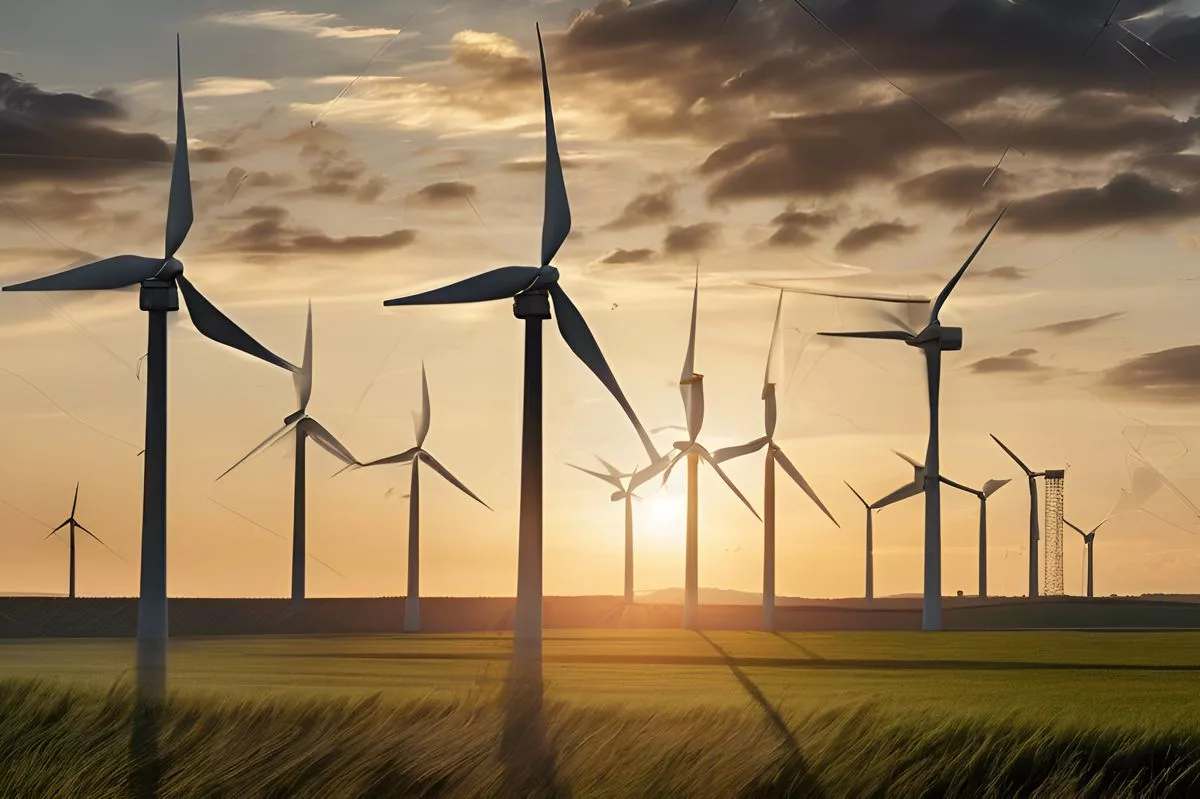
The 2024 budget address wasn’t just about grim news. The speech tackled the persistent issue of electricity scarcity and load shedding, a matter worrying every South African. Minister Godongwana declared a push towards investment in renewable energy, and an increment in the limit for renewable energy developments eligible for the carbon offsets program. The minister also turned his attention to public infrastructure investment, climate financing, public procurement reforms, and revenue trends.
The minister accentuated the government’s resolve to revamp the Gold and Foreign Exchange Contingency Reserve Account, an initiative aimed at curbing government borrowing and fortifying the Reserve Bank’s equity position. He also unveiled the government’s blueprint to transition the automotive industry towards electric vehicles production by 2035, accompanied by an investment allowance for new ventures starting from 1 March 2026.
Addressing Inequality and International Role
In his discourse on inequality, the minister manifested the government’s dedication to social justice. He highlighted the additional R25.7 billion earmarked for the education sector to cover the wage increment costs over the medium term, and the R964 million set aside to facilitate the transition to electric vehicles. Moreover, the government has designated R61.4 billion for employment schemes over the medium term, with R7.4 billion reserved for the Presidential Employment Initiative.
The address also underscored South Africa’s position and role in the global community. South Africa is set to host the annual meetings of the New Development Bank in 2024, and will assume the G20 presidency in 2025. South Africa’s G20 presidency signifies an opportunity to push for economic, developmental, and financial matters affecting poor and developing nations.
Wrapping up his speech, Minister Godongwana acknowledged South Africa’s ongoing journey. He quoted former President Nelson Mandela’s words on the quest for socioeconomic justice and shared prosperity. Minister Godongwana reassured that the government is capitalizing on scarce resources to stimulate economic growth, contain the rise in government debt, and allocate additional resources for primary services.
In essence, the 2024 Budget Speech was a balanced analysis of South Africa’s economic landscape. It recognized the hurdles yet also spotlighted the prospects for growth and transformation. The speech supplied a transparent roadmap for South Africa’s economic destiny, reflecting a government that is practical about its challenges, but is unwavering in its commitment to building a more prosperous and equitable South Africa.
What was South Africa’s 2024 Budget Speech?
South Africa’s 2024 Budget Speech was delivered by Minister Enoch Godongwana in front of the nation’s Parliament. It addressed the country’s economic situation, government reforms, and commitment to social justice and international leadership. The speech acknowledged the obstacles to growth but also highlighted opportunities for progress and transformation.
What were the key announcements and government reforms in the speech?
The speech tackled persistent issues such as electricity scarcity and load shedding, with plans to invest in renewable energy and transition the automotive industry to electric vehicles. The minister also highlighted public infrastructure investment, climate financing, public procurement reforms, and revenue trends. The government’s blueprint to revamp the Gold and Foreign Exchange Contingency Reserve Account was unveiled, along with plans to transition the automotive industry to electric vehicles production by 2035.
How did the speech address inequality?
The minister highlighted the government’s dedication to social justice and South Africa’s position and role in the global community. Additional funding was allocated to the education sector to cover wage increment costs, and resources were allocated for employment schemes and the Presidential Employment Initiative. The speech demonstrated the government’s commitment to building a more prosperous and equitable South Africa.
What was the domestic economic outlook according to the speech?
The near-term economic expansion in South Africa is being stifled by depressed commodity prices and structural impediments. The growth prediction for 2023 was adjusted downwards to 0.6%, a dip from the 0.8% projection made during the 2023 MTBPS. However, from 2024 to 2026, the growth rate is projected to average 1.6%, spurred by the launch of new energy initiatives and a decrease in inflation.
What was the global economic outlook according to the speech?
The minister underscored predictions of modest growth driven by the United States and a host of emerging economies of considerable size. However, he also cautioned about the potential perils arising from the escalating Middle Eastern conflict and a possible economic downturn in China, a significant trading associate of South Africa.
What is South Africa’s position and role in the global community according to the speech?
South Africa is set to host the annual meetings of the New Development Bank in 2024, and will assume the G20 presidency in 2025. South Africa’s G20 presidency signifies an opportunity to push for economic, developmental, and financial matters affecting poor and developing nations. The speech underscored South Africa’s position and role in the global community.