South Africa is cracking down on counterfeit goods, with the National Counterfeit Unit seizing fake products worth R30 million in just four weeks. The operations involved national departments and private security firms and targeted a wide range of counterfeit merchandise, including apparel, footwear, timepieces, bags, and eyewear. These efforts not only protect economic growth but also job security and consumers from substandard or dangerous products. While progress has been made, the war against counterfeit goods in South Africa is far from over.
South Africa’s National Counterfeit Unit seized counterfeit goods worth R30 million in just four weeks, emphasizing the gravity of the counterfeit goods problem in the country. The operations involved several national departments and private security firms. These efforts not only protect the country’s economic growth but also job security and consumers from substandard or dangerous products. The scale of the problem, the variety of goods being counterfeited, and the geographical dispersion of this trade indicate that the war against counterfeit goods in South Africa is far from over.
South Africa’s relentless stand against counterfeit merchandise underlines the importance of authenticity in our society. The South African Police Service (SAPS) has made significant strides in clamping down on counterfeit trade, seizing goods worth an astounding R30 million in a short span of four weeks. This remarkable achievement not only displays SAPS’s steadfast dedication to protecting the economic growth of the country but also the gravity of the counterfeit goods problem in South Africa.
Triumph in Johannesburg’s Business District
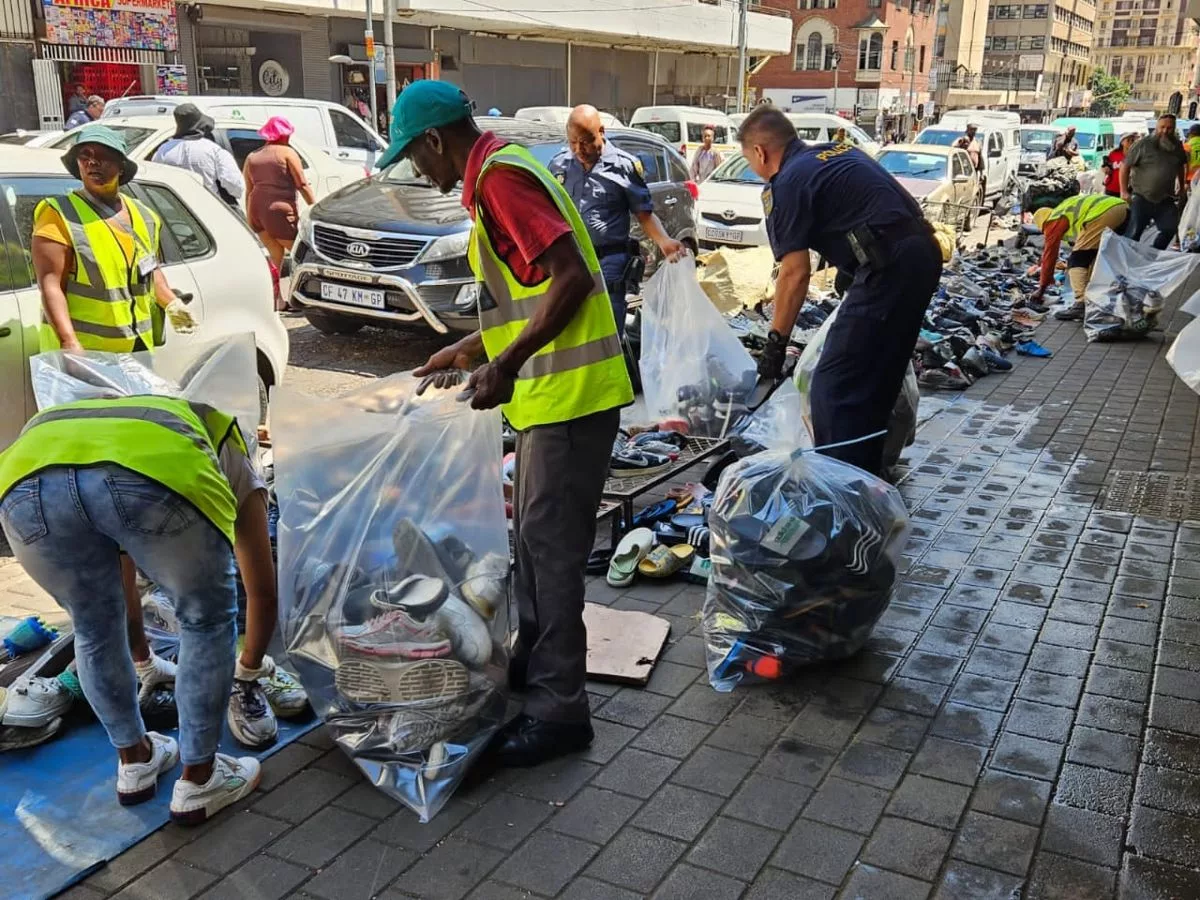
In the lively hub of Johannesburg’s central business district, SAPS’s National Counterfeit Unit put on an impressive display of power on March 8, 2024. This operation involved several national departments and private security firms, culminating in the capture of counterfeit products valued over R9 million. The successful operation was an in-depth interdepartmental initiative involving key partners such as the South African Revenue Services (SARS), Gauteng Traffic, Brand Protectors, Crime Prevention Wardens, and multiple private security entities.
This operation exposed the vast array of counterfeit goods infiltrating the market, ranging from apparel and footwear to timepieces, bags, and eyewear. In total, the operation led to the confiscation of over 11,000 counterfeit items. It was the third substantial operation in Gauteng province within a month, a testament to SAPS’s unwavering determination to combat the illegal trade.
Expanding the Enforcement Reach to Rustenburg
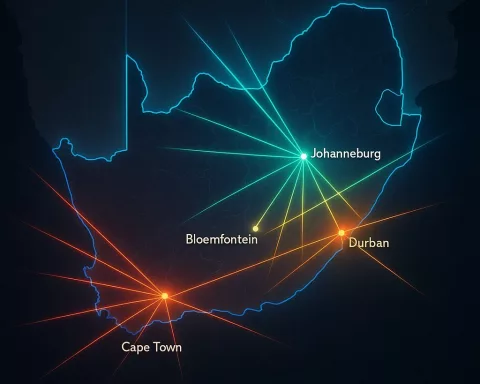
The team’s considerable efforts extended beyond the confines of Johannesburg, delivering another significant blow to the counterfeit trade in Rustenburg, situated in the North West province. During this operation, the team seized counterfeit products worth over R8 million, reinforcing the effectiveness and reach of the enforcement actions.
These operations reflect the intensity of SAPS and its partners’ efforts in confronting the counterfeit goods issue head-on. The seizure of counterfeit goods worth R30 million in just four weeks illustrates the potential economic repercussions if these unlawful activities persisted. It further underscores the critical role of law enforcement agencies and their partners in safeguarding South Africa’s economy.
The Broader Impact of Counterfeit Goods
SAPS’s battle against counterfeit goods is not merely about law enforcement; it concerns the protection of legitimate businesses, job security, and the overall economy from the damaging effects of illicit activities. Fake goods pose a dual threat, undermining authentic businesses and jeopardizing consumers who might be fooled into purchasing substandard or dangerous products.
The continuous operations by SAPS and its partners have made substantial progress in dismantling the illegal trade. However, the task ahead remains monumental. The scale of the operations, the variety of goods being counterfeited, and the geographical dispersion of this trade all indicate that the war against counterfeit goods in South Africa is far from over.
Waging the War Against Counterfeit Trade
SAPS’s success so far stands as a potent reminder of the necessity for vigilance, resilience, and cross-sector collaboration in the battle against counterfeit trade. Winning this war requires collective responsibility and concerted effort, given the high stakes for the country’s economy and its people.
South Africa’s story is one of unwavering commitment and dedication in the face of a significant challenge. It serves as an inspiration to other nations grappling with similar issues, illuminating the path towards a future free from the perils of counterfeit goods. Through continued effort and cooperation, SAPS and its partners strive to protect the integrity of South Africa’s businesses, the safety of its consumers, and the strength of its economy.
1. What is South Africa doing to combat counterfeit goods?
South Africa is cracking down on counterfeit goods with the National Counterfeit Unit seizing fake products worth R30 million in just four weeks through operations involving national departments and private security firms.
2. What kind of goods are being counterfeited in South Africa?
A wide range of counterfeit merchandise is being targeted in South Africa, including apparel, footwear, timepieces, bags, and eyewear.
3. What was the value of counterfeit goods seized in Johannesburg’s central business district?
The National Counterfeit Unit seized counterfeit products valued over R9 million in Johannesburg’s central business district in a successful operation involving several national departments and private security firms.
4. What is the broader impact of counterfeit goods?
Counterfeit goods not only undermine legitimate businesses but also jeopardize consumers who might be fooled into purchasing substandard or dangerous products, posing a threat to job security and the overall economy.
5. What is the scope of the counterfeit goods problem in South Africa?
The scale of the problem, the variety of goods being counterfeited, and the geographical dispersion of this trade indicate that the war against counterfeit goods in South Africa is far from over.
6. How can the war against counterfeit goods be won?
Winning the war against counterfeit trade requires collective responsibility and concerted effort, including vigilance, resilience, and cross-sector collaboration, to protect the integrity of businesses, the safety of consumers, and the strength of the economy.