South Africa’s coastline is a seafood lover’s dream, where fresh fish and shellfish meet rich local traditions. From crispy snoek in Hout Bay to world-famous oysters in Knysna, each town offers unique flavors shaped by the sea and its people. Along the wild shores of Port St. Johns, simple stews and grilled prawns bring communities together, while innovative abalone farms in Gansbaai show how old and new blend. This coast isn’t just about food—it’s a lively story of culture, nature, and the endless pull of the ocean.
What makes South Africa’s coastline unique for seafood lovers?
South Africa’s coastline offers diverse seafood experiences shaped by local culture and tradition. Key highlights include:
– Fresh snoek and calamari in Hout Bay
– World-famous oysters in Knysna
– Primal crayfish and mussels in Paternoster
– Innovative abalone farming in Gansbaai
– Communal seafood stews in Port St. Johns
Each region blends fresh ocean flavors with rich heritage.
The Coast’s Endless Allure
South Africa’s coastline possesses a magnetic charm that transcends the postcard-perfect vistas and the perpetual music of breaking waves. Here, the ocean’s gifts enrich not just the scenery but the very identity of the communities that cluster along the shore. Life in these villages and towns revolves around the rhythm of tides, with each sunrise and sunset bookending another chapter in a story told through food, fellowship, and tradition.
The coastline stretches from the chilly Atlantic in the west to the balmy Indian Ocean in the east, each stretch offering its own flavor—literally and figuratively. For generations, people have drawn their livelihoods from the sea, shaping not only the local economy but the daily customs and celebrations that define these places. Seaside markets bustle with energy, while weathered harbors serve as both workplaces and gathering spots, blending the practical with the convivial.
Visitors soon discover that coastal South Africa’s appeal lies not just in its beauty but in its flavors. Each stop along the shore presents a new take on seafood, interpreted through local ingredients, cooking methods, and the ingenuity born of both necessity and abundance. This journey along the coast does more than please the palate; it invites travelers into the beating heart of communities bound together by salt, spray, and shared history.
Hout Bay: Where Tradition and Grit Meet the Atlantic
Just a short drive from Cape Town’s urban hum, Hout Bay greets the day with a parade of fishing boats rocking gently in the dawn mist. This harbor, though weather-beaten, pulses with activity as trawlers return from the night’s work and market stalls spring to life. The aroma of frying fish mingles with the bracing tang of salt water, signaling that the day’s freshest catch is about to become someone’s lunch.
Hout Bay’s reputation rides on the back of snoek, a sleek, muscular fish known for its bold taste. Local cooks coat the fillets in a light batter, fry them until they’re golden and crispy, and serve them alongside slap chips—South Africa’s answer to traditional fries, but thicker, tangier, and yielding inside. Diners gather outdoors, finding seats on stone walls or benches, their paper-wrapped meals balanced on their knees as they drink in the view and the food.
But snoek isn’t the only prize here. Calamari, either grilled to achieve a smoky char or encased in a crusty shell, appears frequently on menus and in market stalls. These dishes, enjoyed best in the open air, reflect the unpretentious, resourceful spirit of a community that has long survived—and thrived—on the gifts and challenges of the sea. While the scene may recall the bustling fish markets of Europe, Hout Bay’s flavor is purely local, shaped by both heritage and hard work.
Knysna: Oysters and the Art of Celebration
Traveling east along the famed Garden Route, a lush region marked by forests and dramatic coastal views, one arrives in Knysna—a town defined by its shimmering lagoon and age-old ties to oyster farming. Since the late 1800s, Knysna has built a reputation as the country’s oyster capital, turning this briny delicacy into a year-round attraction and a centerpiece of local culture.
Every year, the Knysna Oyster Festival draws crowds eager to sample fresh oysters prepared every which way: raw on the half shell, flambéed with rich sauces, or served with a splash of Champagne. Even outside the festival, waterfront eateries like 34° South keep the tradition alive, presenting oysters straight from the lagoon, their subtle flavors reflecting the unique environment in which they grew. Some diners prefer them pure and cold, others opt for inventive toppings or cooking methods, but every bite captures the region’s essence.
Knysna’s oyster culture sets itself apart by remaining inclusive. While oysters in Europe may carry airs of luxury, here they belong to everyone. Locals and visitors gather over trays of shells, glasses of crisp local wine, and laughter that carries over the water, making the experience as much about connection as about cuisine. Watching the sunlight play over a fresh catch, it’s easy to understand why this modest mollusk has come to define the town’s spirit.
Paternoster: Where Time Stands Still
North of Cape Town, the fishing village of Paternoster seems to exist in its own time, its white-washed cottages and windswept dunes untouched by the hustle of modern life. Early mornings see fishermen launching hand-built boats into the surf, their silhouettes etched against the vastness of the Atlantic. These traditions have survived generations, lending the village a sense of continuity and authenticity.
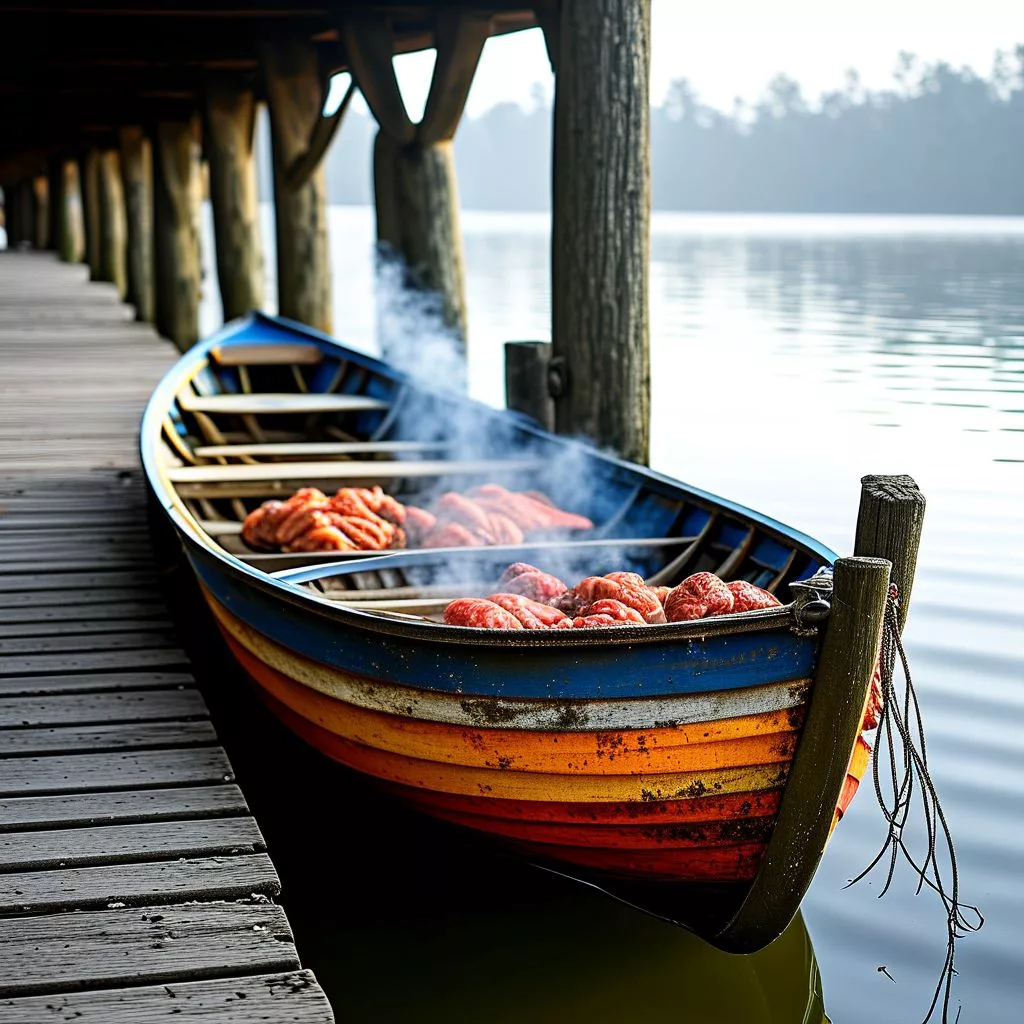
Paternoster takes particular pride in its crayfish, which arrive in the morning’s catch, alive and glistening. On the very sands where they landed, locals set up impromptu braais—wood-fired grills—roasting the shellfish to smoky perfection. The sweet, juicy meat, pulled straight from the coals, makes for a meal that is both primal and celebratory. World-renowned restaurant Wolfgat, perched above the sea, elevates these ingredients with foraged herbs and thoughtful techniques, creating refined yet deeply rooted dishes that tell the story of place.
Yet, the soul of Paternoster’s food scene lies in its informal shacks and market stalls. Mussels, harvested just offshore, arrive at tables mere moments after leaving the water, tasting of brine and sun. Here, the pace of life follows the whims of the ocean, and what appears on your plate depends entirely on the tides and the skill of local fishermen. The experience recalls an era before convenience and globalization, when people ate what the day and the sea provided.
Gansbaai: Innovation and Resilience Below the Waves
Along the Overberg coast, Gansbaai has earned global attention as a destination for spotting great white sharks. Yet, another remarkable story unfolds beneath its surface—the revival of abalone, or perlemoen, a shellfish nearly lost to overfishing. Thanks to dedicated aquaculture, the region now cultivates abalone in state-of-the-art facilities, gradually restoring both stock and tradition.
Workers tend these valuable mollusks with care, ensuring that restaurants can once again offer abalone as a delicacy. Preparations vary, from simply grilling it with a brush of lemon and olive oil—a nod to Mediterranean simplicity—to slicing it raw in sashimi style, drawing inspiration from Japanese cuisine. This blend of tradition and innovation highlights the adaptability and creativity of the local food scene.
Gansbaai also celebrates yellowtail, a firm-fleshed fish favored by local cooks. They grill it over open flames, seasoning with little more than salt, letting the pure taste of the sea shine through. This minimalist approach mirrors the values of the South African braai: respect for ingredients, appreciation for fellowship, and the pleasure of eating outdoors in good company.
Port St. Johns: The Wild Coast’s Untamed Table
Venture east to the Wild Coast, and Port St. Johns appears amid towering cliffs and dense subtropical forests. The area lives up to its name, with untamed seas and a landscape that resists taming. Here, culinary traditions reflect the land’s raw energy—unfussy, robust, and deeply communal.
Fishermen bring in their catch each morning, supplying local grills where whole fish sear over open wood fires. The seafood potjie—a hearty stew simmered in cast iron—blends shellfish, line fish, and locally grown spices into a shared meal that evokes ancient European and African traditions of communal feasting. Each pot reflects the bounty of the day and the knowledge passed down through generations.
Prawns, often still warm from the surf, need little more than a quick roast and a squeeze of lemon. Eaten with your hands, they capture the elemental pleasure of seafood enjoyed at its freshest. In Port St. Johns, formality falls away; meals are about sustenance and story, accompanied by the rhythms of the ocean and conversation that stretches into the night.
Culinary Heritage and Coastal Community
Each destination along South Africa’s coast offers a glimpse into the interplay of geography, culture, and history—echoing the spirit of Mediterranean villages, Japanese fishing towns, and the storied harbors of Europe. The ocean unites these places, yet their character shines through in the details: the choice of herbs, the method of grilling, the rituals that mark the seasons.
Eating along the coast means more than satisfying hunger. It engages all the senses: the call of seabirds, the warmth of a fire, the salt spray cooled by wind. These moments linger in memory, drawing travelers back to the shore again and again, seeking not just the food but the feeling of belonging.
While tourism, environmental pressures, and shifting tastes may alter the landscape, coastal South Africans remain stewards of an inheritance both fragile and resilient. They continue to adapt, finding new ways to honor old traditions, and writing fresh chapters in the ongoing story of land meeting sea. For visitors, the journey offers not just a taste of remarkable seafood, but an invitation to experience the enduring soul of South Africa’s coast.
What makes South Africa’s coastline unique for seafood lovers?
South Africa’s coastline is uniquely diverse, offering seafood experiences deeply rooted in local culture and history. From the crispy snoek of Hout Bay to the world-famous oysters of Knysna, each coastal town boasts distinct flavors shaped by regional waters and culinary traditions. Fresh crayfish and mussels characterize places like Paternoster, while innovative abalone farming shines in Gansbaai. The coastal cuisine blends freshness with heritage, providing a flavorful journey that goes beyond just food to celebrate community and nature.
Which seafood specialties are must-tries in different coastal towns?
- Hout Bay: Crispy fried snoek and grilled calamari reflect the town’s hardworking fishing culture.
- Knysna: Oysters harvested from the lagoon, enjoyed raw or flambéed, are a local highlight.
- Paternoster: Primal crayfish roasted on the beach and fresh mussels capture the village’s old-world charm.
- Gansbaai: Farmed abalone served grilled or as sashimi, plus simply seasoned yellowtail grilled over open flames.
- Port St. Johns: Communal seafood stews (potjies) made with shellfish and line fish, alongside roasted prawns eaten by hand.
Each destination offers unique preparations that reflect its environment and history.
How does local culture influence seafood dining along the coast?
Seafood dining along South Africa’s coast is a communal, sensory-rich experience that mirrors the rhythms of coastal life. In many towns, meals are shared outdoors, often around fires or on harborsides, fostering fellowship and storytelling. Traditional cooking methods—such as wood-fired grills, potjie stews, and simple seasoning—preserve cultural heritage while celebrating the ocean’s bounty. Festivals like Knysna’s Oyster Festival highlight how food connects people across generations, blending African, European, and indigenous influences into vibrant coastal identities.
What role does sustainability and innovation play in South Africa’s seafood industry?
Sustainability is an important focus, especially in areas like Gansbaai where abalone was nearly overfished to extinction. Today, advanced aquaculture facilities nurture abalone populations, marrying tradition with modern technology to restore stocks responsibly. Along the coast, many fishing communities balance livelihood needs with conservation, using seasonal harvesting and local knowledge to protect marine ecosystems. This blend of innovation and respect for nature ensures future generations can continue enjoying South Africa’s rich seafood heritage.
Why is the seafood experience in South Africa more than just about food?
Eating seafood along South Africa’s coast engages all senses and connects visitors to place and people. The sound of waves, the scent of salt air, the warmth of fires, and the sight of fishing boats all contribute to a memorable experience. Meals often happen in informal settings where sharing, conversation, and tradition take center stage. This multisensory and social aspect turns dining into a cultural immersion, inviting travelers to feel the pulse of communities shaped by the sea, making each bite a story of belonging.
When is the best time to visit for seafood festivals and fresh catches?
The Knysna Oyster Festival, held annually, is a prime event attracting seafood lovers eager to taste a variety of oyster preparations. Generally, the South African coastal climate allows for year-round fishing, but the freshest catches often depend on species seasonality and local tides. For example, snoek is plentiful in certain months in Hout Bay, while crayfish season in Paternoster is linked to specific times of year. Visitors should check local calendars and fishing seasons to plan trips that coincide with peak freshness and cultural festivities.