South Africa’s Deepening Literacy Crisis

1 min read
south africa literacy crisis

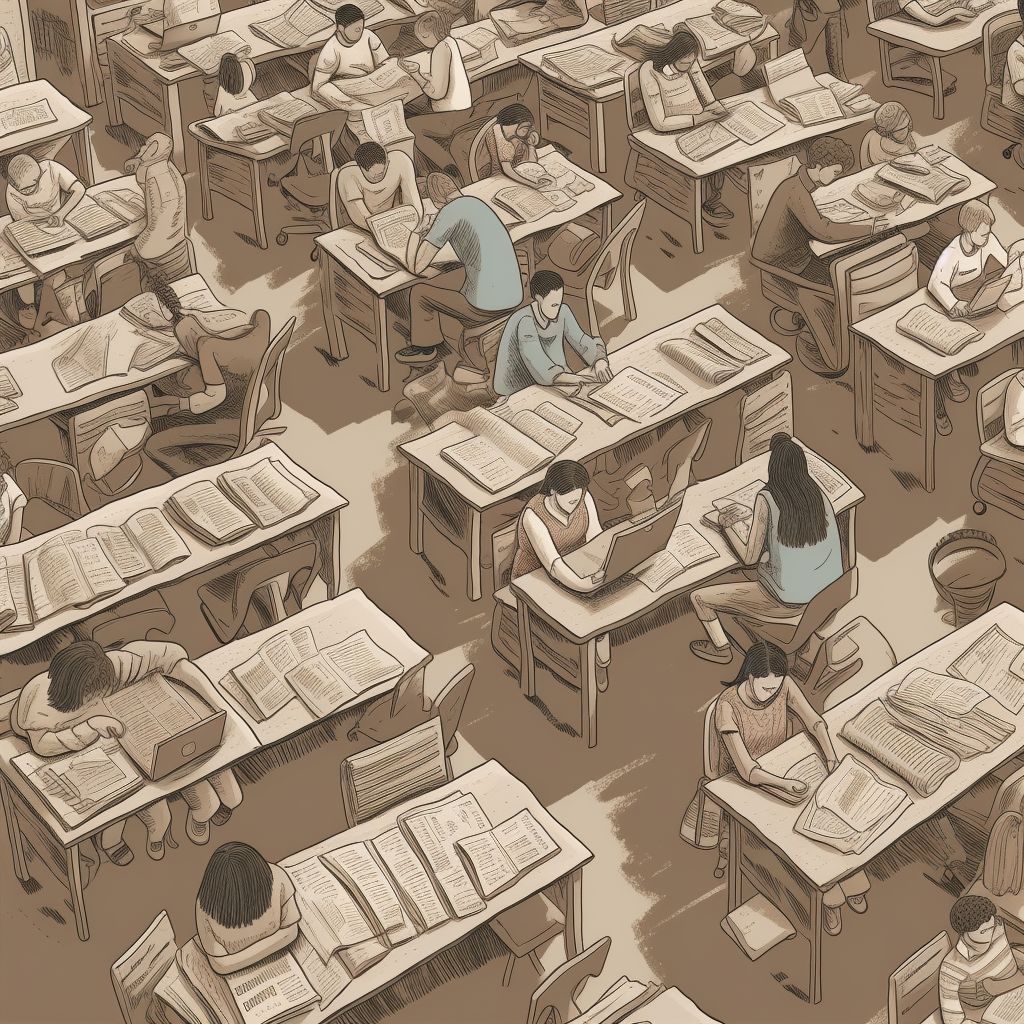
South Africa is facing a significant literacy crisis, with nearly 80% of Grade 4 students struggling to read for meaning despite the efforts of the Department of Basic Education’s National Reading Plan. In the town of Makhanda, where educational inequalities are prevalent, teachers are grappling with overcrowded classrooms and limited support in no-fee schools.

Teacher Shortages and Educational Inequalities

At Tantyi Primary, a township school in Makhanda, Mandisa Peter teaches both Grade 2 and Grade 3 learners due to teacher shortages. She expresses her frustration as learners advance to Grade 4 without proper reading comprehension skills. The school’s principal, Priscilla Glover, shares Peter’s concerns and calls for more teachers to provide better education.

Newsletter

Stay Informed • Cape Town

Get breaking news, events, and local stories delivered to your inbox daily. All the news that matters in under 5 minutes.

Join 10,000+ readers
No spam, unsubscribe anytime

The teacher-to-learner ratio in South Africa is worsening, particularly in non-fee-paying schools and poor provinces, leading to a deepening literacy crisis. The Reading Panel 2030, a civil society organization monitoring the government’s literacy goals, warns that the retirement of many teachers without adequate replacements will exacerbate the situation.

Challenges Faced by Educators and Learners

Good Shepherd Primary, located in Makhanda, faces similar challenges. Grade 2 teacher Hope Prince, who is passionate about teaching reading, emphasizes the importance of reading for meaning by Grade 4. However, she finds the workbooks provided by the Department of Basic Education unsuitable for learners who struggle to understand long sentences.

While some students, such as Lilitha Marangxa, a Grade 4 student at Good Shepherd, read at an above-average level due to their supportive families, retired teacher Angela Marangxa highlights the importance of a strong foundation in reading and the need for one-on-one support.

Government Initiatives and Criticisms

The Department of Basic Education has implemented initiatives like the Primary School Reading Improvement Programme (PSRIP) and the Early Grade Reading Assessment (EGRA) toolkits in response to the literacy crisis. However, critics argue that the budget allocation for these programs is insufficient and that existing budgets must be better utilized by provincial education departments and schools. The Department hasn’t commented on overcrowded classrooms and the lack of teachers.

The Importance of Finding Solutions

Despite the passion of teachers and efforts of the government, South Africa’s literacy crisis persists due to overcrowding, insufficient resources, and a lack of specialized support. Reading for meaning is crucial, and all stakeholders must work together to ensure that every child receives the education they deserve. Finding solutions to these challenges and providing necessary support for both teachers and learners is crucial for the future of South Africa’s children.


Liam Fortuin is a Cape Town journalist whose reporting on the city’s evolving food culture—from township kitchens to wine-land farms—captures the flavours and stories of South Africa’s many kitchens. Raised in Bo-Kaap, he still starts Saturday mornings hunting koesisters at family stalls on Wale Street, a ritual that feeds both his palate and his notebook.

Leave a Reply

Your email address will not be published.

Previous Story

Equitable Water Supply and Dignified Sanitation: A Priority for South Africa’s Government

Next Story

Discover the Unique and Enchanting World of Liberty Books in Grabouw

Latest from Blog

Dawn, Dirt and Dinner: A Willowvale Kitchen Without Walls

In Willowvale, farmers cleverly plant in manurefilled pits to save water and feed the soil. They also build special ditches to catch rainwater, making sure not a single drop goes to waste. Cooking happens outdoors, over crackling fires, using fresh food grown right there. They even turn old things into new cooking tools. It’s all about living close to the earth and making every bit count, showing a deep love for nature.

Cape Town Quietly Rewrites the Rules Between Tradition and the State

Cape Town is cleverly changing how it supports traditional initiation camps. They now treat these camps like temporary city areas, providing water, toilets, and trash pickup. This helps keep everyone safe and healthy, using smart data to track everything. It’s a quiet revolution, making sure old traditions fit smoothly into modern city life, and other cities are starting to notice this clever plan.

South Africa Plays Hardball on Hoof-and-Mouth: A Five-Year Blitz to Reopen R7 Billion in Beef Trade

South Africa is launching a massive fiveyear plan to crush FootandMouth Disease for good. They’re upgrading labs, getting tons of vaccines, and working with villages to tag and track every animal. This tough new strategy, backed by big money, aims to reopen a R7 billion beef trade with countries like China and the EU. They’re using strict rules, new tech, and even special meetings with local leaders to make sure no sick animal slips through. It’s a fullon war to protect their cattle and bring back their valuable beef exports!

South Africa’s Gateways in November 2025: 3,1 Million Footprints in 30 Days

In November 2025, South Africa saw a massive 3.1 million people cross its borders. This huge number of visitors, especially 2.37 million noncitizens, made it the busiest November for foreign entries since before COVID hit in 2019. It was like a river of people flowing in, showing how popular South Africa had become again.