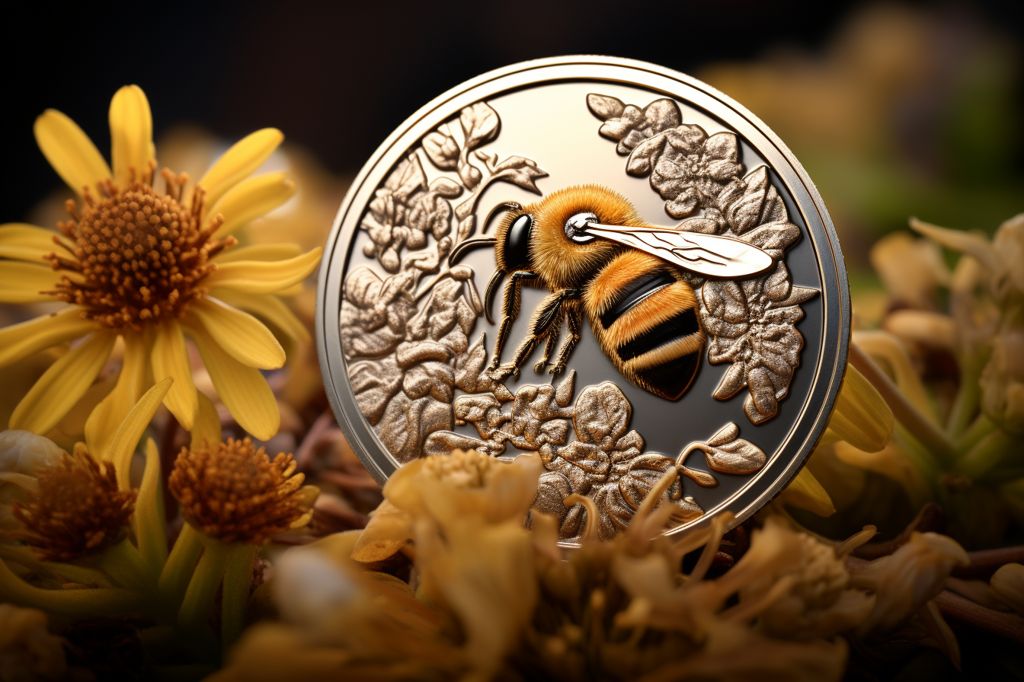
South Africa’s Fourth Decimal Coin Series: A Celebration of Natural Heritage

1 min read
s o

In honor of Heritage Month this September, the South African Reserve Bank (SARB) has unveiled its fourth decimal coin series, celebrating the country’s natural wonders. This coin series, the first complete set to be issued under democratic dispensation, features a contemporary aesthetic and a central theme of deep ecology. Each coin showcases elements of South Africa’s national identity, including culture, symbols, history, languages, flora and fauna, cities, and technological advancements.

Designs and Engravings

Esteemed South African artists collaborated with organizations like the South African National Botanical Institute (SANBI), Pan South African Language Board (PanSALB), and the Institute for the Blind to ensure inclusivity, accuracy, and accessibility across all design elements. The six coin denominations and their respective artists are as follows:

Newsletter

Stay Informed • Cape Town

Get breaking news, events, and local stories delivered to your inbox daily. All the news that matters in under 5 minutes.

Join 10,000+ readers
No spam, unsubscribe anytime
  1. 10c ‘Cape honey bee’ by Carl Jeppe
  2. 20c ‘bitter aloe’ by Zinhle Zulu
  3. 50c ‘Knysna turaco’ by Kotie Geldenhuys
  4. R1 ‘king protea’ by Lilian Guerra and Richard Stone
  5. R2 ‘springbok’ by Temba Mkhangeli
  6. R5 ‘southern right whale’ by Sujay Sanan

Each coin retains familiar colors with unique landing patterns on various sides to enable the visually impaired to identify the coin’s value. The designs not only showcase a modern makeover but also feature enhanced security measures to deter replication.

Coin Descriptions

The 10c coin, designed by Carl Jeppe, features the Cape honey bee, which plays a vital role in South Africa’s agriculture and economy. Zinhle Zulu’s 20c coin bears the bitter aloe, a tall, single-stemmed plant native to Southern Africa. Kotie Geldenhuys designed the 50c coin, adorned with the elegant Knysna turaco, a large bird native to South Africa.

The R1 coin features the national flower of South Africa, the king protea, known for having the largest flower head in its genus. Lilian Guerra and Richard Stone collaborated on this design, highlighting the flower’s adaptation to survive wildfires through underground stems containing dormant buds that sprout new growth after a fire.

Temba Mkhangeli designed the R2 coin, featuring the national animal of South Africa, the springbok, known for its remarkable leaps. Lastly, the R5 coin showcases the southern right whale, typically found in the southern hemisphere’s southern regions. Designed by Sujay Sanan, the coin pays homage to these majestic creatures that migrate to South Africa’s coastal waters during winter.

Although these coins present a fresh look, they remain circulation coins, holding their face value and usable alongside earlier circulation coin series. As a tribute to the country’s natural legacy, the fourth decimal coin series stands as a testament to the beauty, diversity, and resilience of South Africa’s natural heritage.


A Russian-Spanish journalist and Cape Town native, channels his lifelong passion for South Africa into captivating stories for his local blog. With a diverse background and 50 years of rich experiences, Serjio's unique voice resonates with readers seeking to explore Cape Town's vibrant culture. His love for the city shines through in every piece, making Serjio the go-to source for the latest in South African adventures.

Leave a Reply

Your email address will not be published.

Previous Story

Mbhashe Municipality to Hold Municipal By-Elections on 13 September 2023

Next Story

The Road to Digital Transformation and Inclusive Growth in South Africa through Innovation and Digital Skills

Latest from Blog

Forty Metres of Air: The Morning Kiteboarding Rewrote Physics

Hugo Wigglesworth, a young kiteboarder, defied gravity and rewrote the record books by soaring an incredible 40 meters into the air. He used powerful winds, a perfectly timed jump off a wave, and special gear to achieve this amazing feat. His careful planning and hundreds of practice runs made him fly higher than anyone before, showing the world what’s possible in kiteboarding.

Airbnb Under Fire: How Cape Town’s Housing Crunch Became a Tourism Blame-Game

Cape Town’s housing woes are NOT really Airbnb’s fault, even though a viral photo tried to blame them! The real problem is that not enough homes are being built, and lots of new people are moving to the city. Getting building permits takes forever, making homes expensive. Airbnb brings in lots of money and jobs, and even if all Airbnbs disappeared, it wouldn’t fix the big housing shortage. The city needs to build more homes and make it easier to do so, not just point fingers at tourists.

Cape Town’s Hottest Tables: Where Summer Tastes Like Salt, Smoke and Midnight Vinyl

Cape Town’s new restaurants are super exciting, offering amazing tastes from the ocean, farms, and even old recipes. Places like Amura serve unique sea dishes, while Tannin has a huge wine list and tiny plates. Café Sofi bakes heavenly pastries, Beach Buns makes awesome burgers, and Le Bistrot de JAN mixes French and South African flavors. These spots let you taste the city’s lively food scene, from fancy dinners to casual beach eats, making every meal an adventure.

Between Concrete and Current – Four Inland Hearts Meet the Indian Ocean

This article tells a beautiful story of four South Africans from inland places who see the Indian Ocean for the very first time. For many, the sea is just a picture, far away and hard to reach. But when these brave people finally touch the salty water, it changes them deeply. They feel the ocean’s power, taste its salt, and understand that this huge, blue world is now a part of their own story, breaking down old ideas about who can connect with the sea.