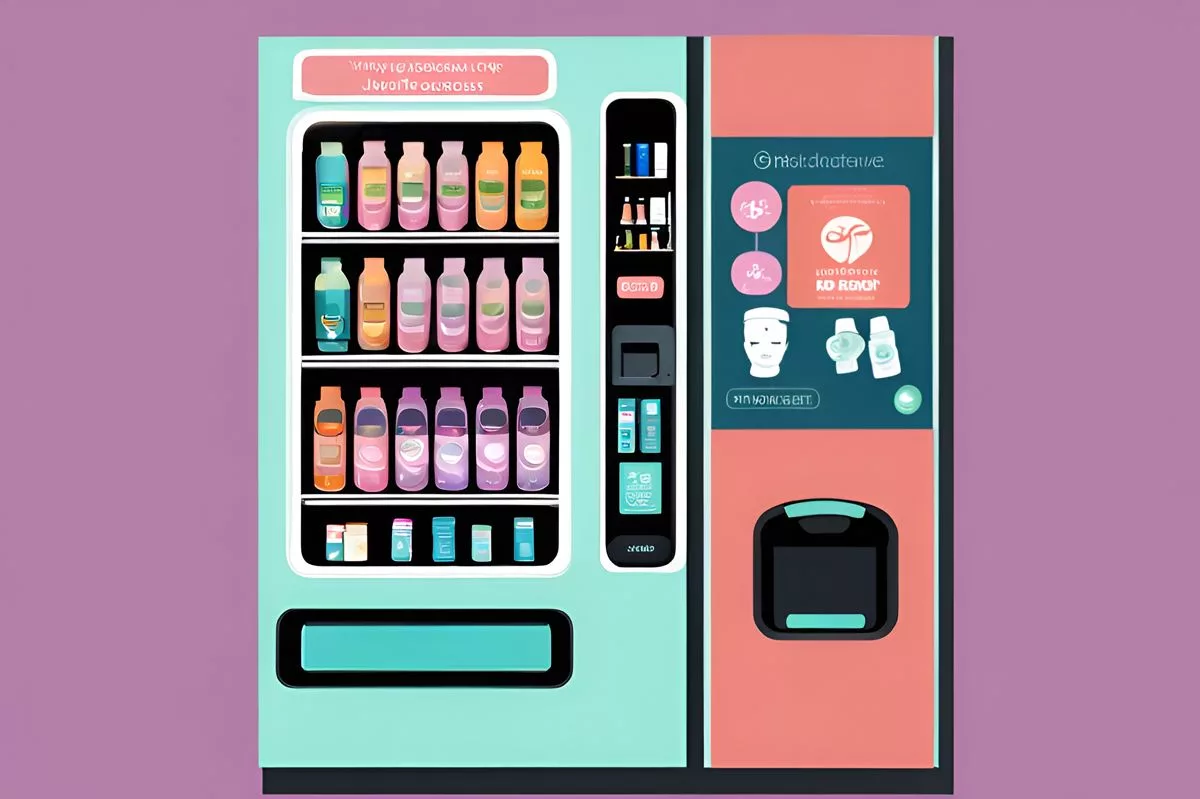
South Africa’s Department of Health has launched a revolutionary wellness vending machine that provides a variety of wellness products, focusing on contraceptive options. The machine operates through a unique three-step system where callers dial a toll-free number and receive guidance from a healthcare professional on contraceptive options. Once the caller selects a contraceptive, they receive a code to input into the vending machine to access their chosen option. The project aims to empower young girls and women to manage their reproductive health and avoid unplanned pregnancies while eliminating the possibility of judgmental attitudes from healthcare practitioners.
South Africa’s Health Department Spearheads Public Health Revolution with Wellness Vending Machines
The Unique Three-Step System
South Africa’s Department of Health has launched a premier wellness vending machine that provides a wide range of wellness products, with a focus on contraceptive options. The machine operates through a novel three-step system where a caller dials a toll-free number or requests a callback from a healthcare professional who guides them through various contraceptive options. Once the caller makes a selection, they receive a unique code that is input into the vending machine to access the chosen contraceptive.
A Dynamic, New Approach to Public Health
South Africa’s Department of Health has recently taken a bold step towards empowering its citizens with the launch of the country’s premier wellness vending machine. This revolutionary initiative, as stated by Foster Mohale, the department’s spokesperson, forms part of a broader effort to encourage diversified contraceptive use. The move is primarily targeted at stemming the worrying rise in teen pregnancies.
These wellness vending machines aren’t typical. They come with a purpose – to provide a wide range of wellness products, with a focus on contraceptive options. However, the operational mechanism of these machines could pique everyone’s interest.
The Unique Three-Step System
The Health Department is testing a novel three-step system for these machines. The first step in this system requires dialing a toll-free number or submitting a callback request to a healthcare professional. Once the healthcare professional receives the call or request, they appraise the caller and walk them through various contraceptive and HIV prevention options. After the caller has made their selection, they receive a unique code. This code is then input into the vending machine to access the chosen contraceptive.
The innovative initiative serves multiple purposes. Beyond offering a solution to the rising cases of unplanned teen pregnancies, the wellness vending machines also support individuals unable to visit a local clinic due to work obligations or other restrictions. Moreover, these machines eliminate the possibility of judgmental attitudes of healthcare practitioners, offering a confidential and convenient route to contraceptives and HIV prevention services.
Targeting Young Girls and Women
The pilot vending machine was inaugurated at the Mthatha Ultra City in Eastern Cape. The machines are designed to cater mainly to young girls and women in their reproductive years, providing an easy-to-access solution to manage their reproductive health and avoid unplanned pregnancies.
The pilot project has a broad and ambitious scope, with the goal of installing 13 vending machines across five provinces. The machines will be strategically placed in universities, shopping centers, and other youth-dominated areas. In addition to expansive placement, Mohale emphasized their commitment to maintaining a regular supply and service for these machines.
Responding to an Adolescent Pregnancy Crisis
The launch of the Self-Care Wellness Vending Machines is in response to a distressing spike in adolescent pregnancies in South Africa. A shocking figure of over 11,500 girls between the ages of 10 and 14 gave birth in public health facilities between 2020 and 2023.
This unique integration of technology and public health represents a progressive shift in health service delivery methods. The model emphasizes easy access, privacy, and choice – all crucial elements for effective public health initiatives.
In a related development, the South African Health Products Regulatory Authority (SAHPRA) recalled a sterile lubricating gel, Lubri A, last year.
A Bold Move towards Innovation in Health Services
The Self-Care Wellness Vending Machines project underlines South Africa’s commitment to pioneering innovations in public health. Through this initiative, the country is harnessing technology to make health services more accessible, particularly for young girls and women. This gives them the power to manage their sexual and reproductive health.
Overall, this initiative bears witness to the transformative power of innovative thinking in public health. It highlights how the fusion of technology and healthcare can generate robust solutions to contemporary challenges.
What are the Self-Care Wellness Vending Machines?
The Self-Care Wellness Vending Machines are a new initiative launched by South Africa’s Department of Health that provides a variety of wellness products, with a focus on contraceptive options. These machines operate through a unique three-step system where callers dial a toll-free number and receive guidance from a healthcare professional on contraceptive options. Once the caller selects a contraceptive, they receive a code to input into the vending machine to access their chosen option.
How does the unique three-step system work?
The unique three-step system works by first requiring the caller to dial a toll-free number or request a callback from a healthcare professional. The healthcare professional guides the caller through various contraceptive options, and once the caller makes a selection, they receive a unique code that is input into the vending machine to access the chosen contraceptive.
Who is the target audience for these vending machines?
The vending machines are mainly designed to cater to young girls and women in their reproductive years, providing an easy-to-access solution to manage their reproductive health and avoid unplanned pregnancies.
Where will the vending machines be placed?
The vending machines will be strategically placed in universities, shopping centers, and other youth-dominated areas. The pilot project has a broad and ambitious scope, with the goal of installing 13 vending machines across five provinces.
What is the goal of this initiative?
The primary goal of this initiative is to empower young girls and women to manage their reproductive health and avoid unplanned pregnancies while eliminating the possibility of judgmental attitudes from healthcare practitioners.
Is this initiative a response to a crisis?
Yes, the initiative is a response to a distressing spike in adolescent pregnancies in South Africa. Over 11,500 girls between the ages of 10 and 14 gave birth in public health facilities between 2020 and 2023.