South Africa’s lake towns like Knysna, Kaapsehoop, Sedgefield, and Underberg carry a touch of Italian romance wrapped in local magic. They share beautiful, peaceful waters and a rich artistic spirit, just like Italy’s famous lakes, but with wild landscapes and vibrant cultures unique to South Africa. Each town offers a cozy blend of calm, adventure, and warm community life, inviting visitors to slow down and feel the quiet beauty all around. From misty hills to sparkling lagoons, these places are perfect for anyone who loves nature and a little bit of timeless charm.
What makes South Africa’s lake towns similar to Italy’s famous lakes?
South Africa’s lake towns like Knysna, Kaapsehoop, Sedgefield, and Underberg echo Italy’s lakes through:
- Scenic tranquility and natural beauty
- Rich local culture and artistic inspiration
- Unique blends of elegance and rustic charm
- Opportunities for relaxation, adventure, and community connection
Italy’s Dreamlike Lakes—and South Africa’s Surprising Parallels
Italy’s lakes—Como, Garda, Maggiore—have enthralled travelers for centuries, offering a blend of scenic tranquility and cultural richness. These storied waters, fringed by historic villages and rolling hills, inspire a yearning for beauty and reflection. While the Alps cradle these iconic destinations, a world away in South Africa, you’ll find towns that mysteriously mirror their essence. Places like Knysna, Kaapsehoop, Sedgefield, and Underberg echo the spirit of their European counterparts, yet add a distinctly South African twist.
The magic of Italy’s lakes lies not just in scenery, but also in the way they shape local life. Artists and writers have long drawn inspiration from the interplay of water, light, and ancient stone. Sitting by the shore of Lake Como or Maggiore, visitors slip into a mood of gentle contemplation, guided by the rhythm of the waves and the soft glow of dawn. In South Africa’s lake towns, a similar sense of serenity prevails, albeit filtered through a different lens—a wilder landscape, a patchwork of diverse cultures, and a climate shaped by two oceans.
These South African towns don’t offer exact replicas of Italian lakeside life; instead, they reinterpret it. Each destination cultivates its own blend of elegance and rusticity, inviting travelers to discover new kinds of romance and relaxation. Whether you’re drawn by the misty highlands, sunlit lagoons, or alpine vistas, you’ll find echoes of Italy’s grandeur amid South Africa’s untamed beauty.
Knysna: Estuary Elegance and Artistic Inspiration
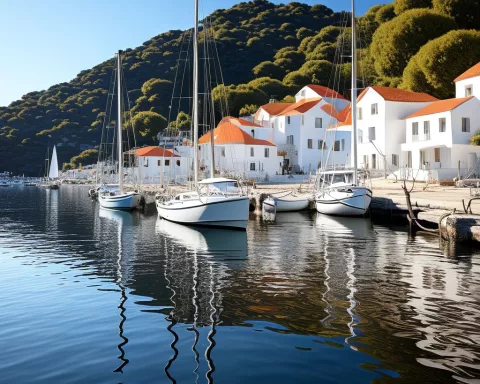
Knysna may not sit beside a traditional lake, but its broad estuary pulses with life, blurring the boundaries between river and sea. Early mornings here feel almost magical—a delicate mist floats above still waters, while green hills enfold the town in a protective embrace. The sunlight dances on the hulls of anchored sailboats, recalling the sunlit scenes of northern Italy’s lakes as immortalized by 19th-century painters.
The town’s character, though distinctly South African, channels the aura of Lake Maggiore’s lakeside retreats. The imposing Knysna Heads, two sheer sandstone cliffs, stand sentry at the estuary’s mouth, echoing the dramatic landscapes of Stresa and Pallanza. Along the waterfront, the aroma of freshly baked pastries and rich coffee draws visitors to cozy cafes, where time slows and the world feels far away. Local artisans display pottery and handwoven textiles on cobbled lanes, inviting passersby to linger and browse.
Thesen Island, a tranquil enclave connected by wooden bridges, brings to mind Italy’s island villages. Here, boutique guesthouses hide amid lush gardens, offering seclusion and quiet beauty. Gentle strolls along the water’s edge provide moments for reflection, much like the leisurely passeggiata along an Italian lakeshore. In Knysna, every view feels like an invitation to pause and let the scenery wash over you.
Knysna’s allure extends beyond its sights. The town thrives on a vibrant arts scene, with galleries and studios celebrating the region’s creative spirit. Writers, painters, and musicians draw inspiration from the surrounding forests and shimmering waters. Evenings bring soft music drifting from open windows, mingling with the gentle slap of waves against the docks. In Knysna, as in Italy’s lake towns, life revolves around the pleasures of art, conversation, and natural beauty.
Kaapsehoop: Highland Mystique and Timeless Tales
Perched atop the Mpumalanga escarpment, Kaapsehoop envelops visitors in a world of mist and memory. Here, rolling clouds drift along winding streets, and herds of wild horses wander freely among boulders and bracken. The cool, crisp air carries the promise of adventure, echoing the tranquil atmosphere of Lake Como’s remote northern villages, where time moves slowly and silence reigns.
Victorian cottages, their paint weathered by mountain winds, line Kaapsehoop’s narrow lanes. Moss and ferns soften ancient stone walls, creating a sense of age and continuity. Locals embrace a deliberate pace—fishing in crystal streams, tending to gardens, and greeting each other with warmth. The cadence of daily life remains unhurried, a stark contrast to the modern world’s rush. For travelers, Kaapsehoop offers a rare opportunity to disconnect and savor the present moment.
Creativity thrives in the town’s secluded setting. Artists and writers flock to Kaapsehoop, drawn by the shifting light and the drama of mist rolling over the landscape. Painters set up easels in meadows, capturing the fleeting interplay of sunlight and shadow, while writers fill notebooks with reflections inspired by the area’s quiet magic. Folklore infuses every corner—stories of ghosts, prospectors, and lost fortunes linger like the morning fog. Remnants of a gold-mining past peek from undergrowth, but today’s visitors come to experience the town’s storied ambiance and find respite from the everyday.
Kaapsehoop’s highland charm mirrors the lost-in-time feeling of Italy’s mountain hamlets. In the evenings, locals gather in small cafes to share stories over hearty meals, their laughter echoing off stone walls as the mist thickens outside. The town’s enduring appeal lies in its blend of mystery and comfort, inviting all who visit to slow down and savor its unique rhythm.
Sedgefield: Where Water, Wind, and Community Meet
Sedgefield nestles between Knysna and George, surrounded by sweeping dunes, lush forests, and shimmering lakes. The landscape here stretches out in every direction—a patchwork of freshwater lagoons, reed beds, and tidal marshes. This natural abundance fosters a peacefulness reminiscent of Lake Garda’s quieter southern shores, far from crowds and city bustle.
At dawn, paddleboarders glide across glassy water, leaving ripples that shimmer in the morning sun. Herons and kingfishers dart among reeds, while birdwatchers keep patient vigil from hidden spots along the lakeshore. Life in Sedgefield flows with gentle purpose, each day shaped by the rhythms of nature and the local community. The weekly market transforms the town’s heart into a lively gathering, where neighbors and visitors sample homemade bread, local cheese, and vibrant bunches of wild fynbos. The spirit is one of togetherness, similar to the Italian tradition of celebrating seasonal bounty and handcrafted food.
Tourism in Sedgefield remains low-key, preserving the area’s sense of anonymity and slow living. Trails like ‘Cloud 9’ wind through forests and up to panoramic viewpoints, rewarding hikers with vistas of blue lakes and the distant sweep of the Indian Ocean. Families picnic under ancient trees, sharing stories while children wade in cool streams. Wildflowers and salt drift on the air, a fragrant reminder of the Cape’s unique environment. Here, tranquility reigns, and every visitor has space to breathe and simply be.
Sedgefield’s understated charm lies in its commitment to community and conservation. Locals value the landscapes that shape their lives, organizing beach cleanups, bird counts, and educational walks. The town offers a model for living in harmony with nature—a lesson as relevant on the Garden Route as it is on the shores of Garda.
Underberg and Lake Naverone: Alpine Drama in the Drakensberg
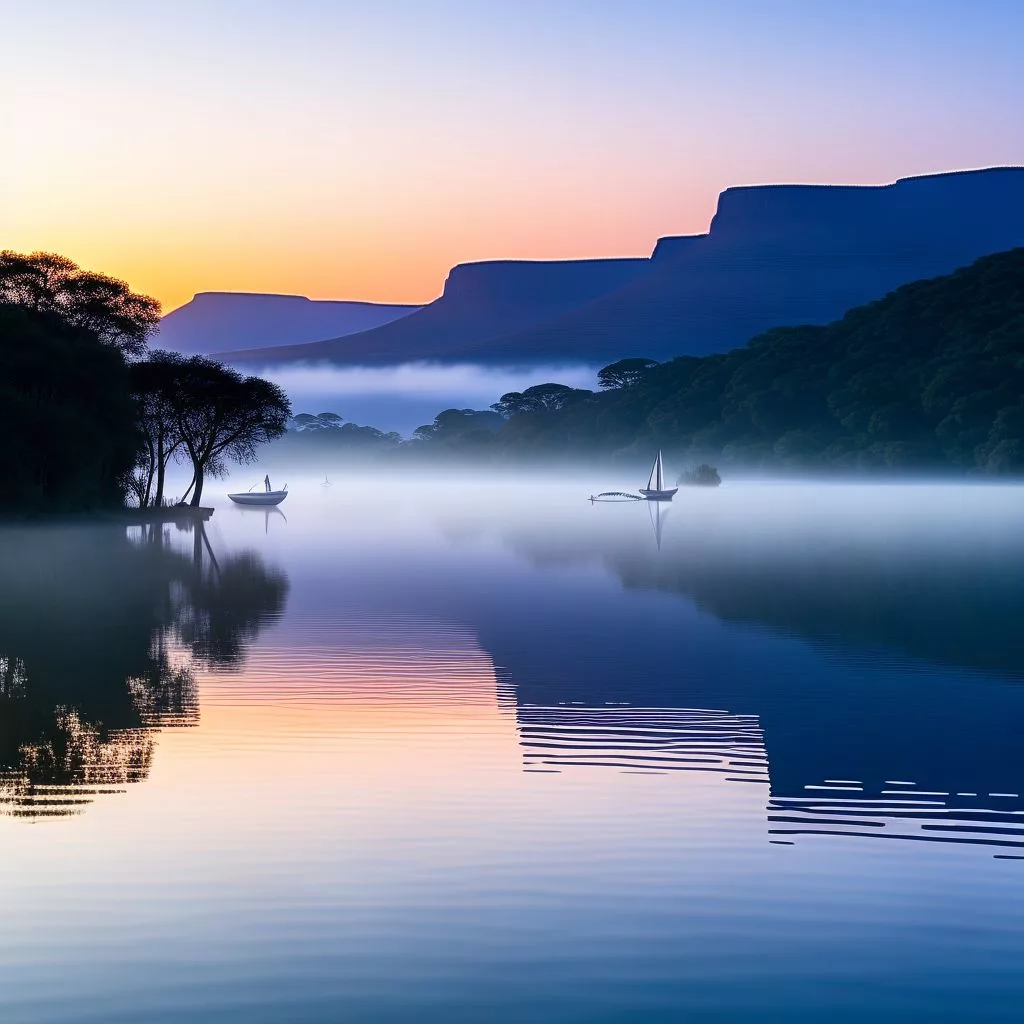
Arriving in Underberg feels like stepping into a mountain postcard. Towering basalt cliffs rise above verdant meadows, while Lake Naverone mirrors both sky and stone in its glassy surface. The Drakensberg mountains create a dramatic backdrop, especially in winter, when frost sparkles on grass and snow dusts the jagged peaks. This landscape rivals the Italian Dolomites for grandeur—a setting worthy of a master painter.
Chalets with steep roofs and timber details line the lake’s edge, blending alpine style with South African hospitality. Underberg acts as a gateway to this highland wonderland. Here, locals welcome visitors with open arms, eager to share stories and point out favorite trails. Adventure awaits just beyond the village: fly-fishers wade into icy streams, eyes fixed on the subtle twitch of a fishing line; hikers explore Sani Pass, meandering through fields ablaze with wildflowers; and horseback riders trace quiet paths along the water, accompanied by the soothing rhythm of hooves.
Daily life in Underberg embraces alpine traditions. Local bakeries fill with the aroma of rustic loaves, while mountain lodges serve hearty stews beside roaring fireplaces. The seasons each bring their own gifts—lively greens and rushing streams in summer, fiery foliage in autumn, and snow-kissed tranquility in winter. Whether you seek solitude, adventure, or the simple pleasure of a lakeside sunrise, Underberg and Lake Naverone deliver in abundance.
The natural splendor here fosters a sense of both isolation and belonging. You might feel, at once, on the edge of the world and at the heart of something timeless—a paradox familiar to those who love both the Dolomites and the Drakensberg.
A Journey Beyond Borders: Finding Familiarity and Wonder
South Africa’s lake towns weave together threads of Italian romance and local tradition, creating destinations that feel both familiar and refreshingly new. Knysna’s luminous estuary, Kaapsehoop’s whispering heights, Sedgefield’s tranquil waters, and Underberg’s alpine vistas each offer travelers a unique sense of place. Their charm lies not just in the scenery, but in the stories, people, and moments of stillness that define them.
By drawing subtle inspiration from Europe and infusing it with South African character, these towns invite curiosity and reflection. Whether you’re a lover of nature, a seeker of quiet beauty, or a traveler chasing inspiration, you’ll find yourself captivated by the blend of old-world elegance and untamed spirit. Along these waters, the journey becomes as meaningful as the destination—a testament to the enduring allure of lakes, mountains, and the communities that call them home.
FAQ: South Africa’s Lake Towns – Italian Romance Meets Local Charm
1. What makes South Africa’s lake towns reminiscent of Italy’s famous lakes?
South Africa’s lake towns such as Knysna, Kaapsehoop, Sedgefield, and Underberg share several qualities with Italy’s iconic lakes like Como, Garda, and Maggiore. These include scenic tranquility, rich local culture, artistic inspiration, and a blend of elegance with rustic charm. Visitors can enjoy peaceful waters, vibrant communities, and opportunities for both relaxation and adventure, much like the atmosphere found at Italy’s lakesides—though filtered through South Africa’s unique landscapes and cultures.
2. How does Knysna capture the essence of an Italian lakeside town?
Although Knysna sits on a broad estuary rather than a traditional lake, its misty mornings, green hills, and the iconic Knysna Heads create a dramatic and picturesque setting reminiscent of Lake Maggiore’s scenery. Knysna’s waterfront cafes, artisan markets, and artistic community contribute to a romantic, relaxed lakeside vibe. Thesen Island’s boutique guesthouses and garden hideaways add to the sense of tranquil retreat, akin to Italy’s quaint island villages.
3. What unique experiences does Kaapsehoop offer compared to Italy’s lake towns?
Kaapsehoop, perched high on the Mpumalanga escarpment, brings a misty, mountainous atmosphere that echoes the quiet northern villages around Lake Como. Its Victorian cottages, free-roaming wild horses, and folklore-rich environment provide a sense of timelessness and mystery. Unlike more bustling lakeside towns, Kaapsehoop invites visitors to disconnect, slow down, and enjoy creative inspiration amid highland beauty and local stories.
4. Why is Sedgefield considered a place where water, wind, and community meet?
Sedgefield’s location between dunes, forests, and shimmering lakes creates an expansive natural playground reminiscent of Lake Garda’s quieter southern shores. The town fosters a strong sense of community through its weekly markets, environmental conservation efforts, and outdoor activities like paddleboarding and hiking. Visitors experience slow living intertwined with nature’s rhythms, making Sedgefield ideal for those seeking peaceful connection with both people and place.
5. What makes Underberg and Lake Naverone stand out as Alpine-style destinations in South Africa?
Underberg sits amidst the dramatic Drakensberg mountains, with Lake Naverone reflecting towering basalt cliffs and alpine meadows. This highland setting offers a grandeur comparable to the Italian Dolomites, complete with chalets, hearty mountain cuisine, and outdoor adventures like fly-fishing, hiking Sani Pass, and horseback riding. Seasonal changes—from lush summer greens to snowy winter vistas—add to the region’s breathtaking appeal.
6. Why should travelers consider visiting South Africa’s lake towns for a blend of European romance and African wilderness?
South Africa’s lake towns provide a unique fusion of old-world elegance inspired by Europe’s renowned lakes and the wild, diverse landscapes of South Africa. Visitors gain more than just scenic beauty—they encounter vibrant artistic communities, rich cultural narratives, and warm hospitality. Whether seeking relaxation, inspiration, or adventure, travelers will find these towns offer meaningful experiences that celebrate both familiarity and discovery in nature’s embrace.