South Africa’s Largest Sewer Upgrade: Revamping Cape Town’s Infrastructure by 2025

1 min read
infrastructure sewer upgrade

Cape Town is taking a significant step towards improving the lives of its residents by making steady progress on the Cape Flats Bulk Sewer upgrade. This ambitious project, valued at R715 million, is set to benefit 300,000 households in lower-income neighborhoods.

Historical Significance of the Project

Mayor Geordin Hill-Lewis emphasized the historical significance of the project, as it aims to replace bulk sewers first constructed during the apartheid era in the 1960s. The upgrade ensures that these infrastructures will last for the next century, benefiting future generations of Capetonians.

Newsletter

Stay Informed • Cape Town

Get breaking news, events, and local stories delivered to your inbox daily. All the news that matters in under 5 minutes.

Join 10,000+ readers
No spam, unsubscribe anytime

Future Investments

Between 2023 and 2025, Cape Town plans to invest R1.3 billion in major bulk sewer upgrades for the Cape Flats, Philippi, Milnerton, and Gordon’s Bay lines. Approximately 73% of the city’s infrastructure budget, amounting to over R8 billion, will go towards critical upgrades for lower-income households, informal settlements, and poorer communities. These upgrades are expected to create an estimated 135,000 jobs in the city over three years.

Innovative Technology

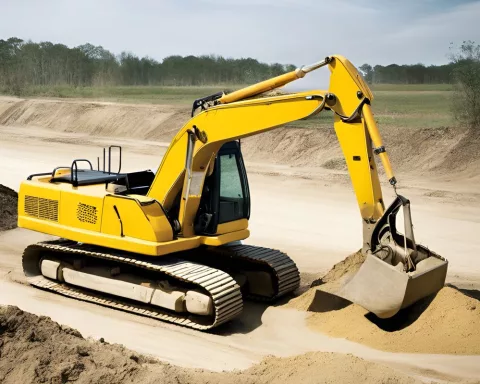
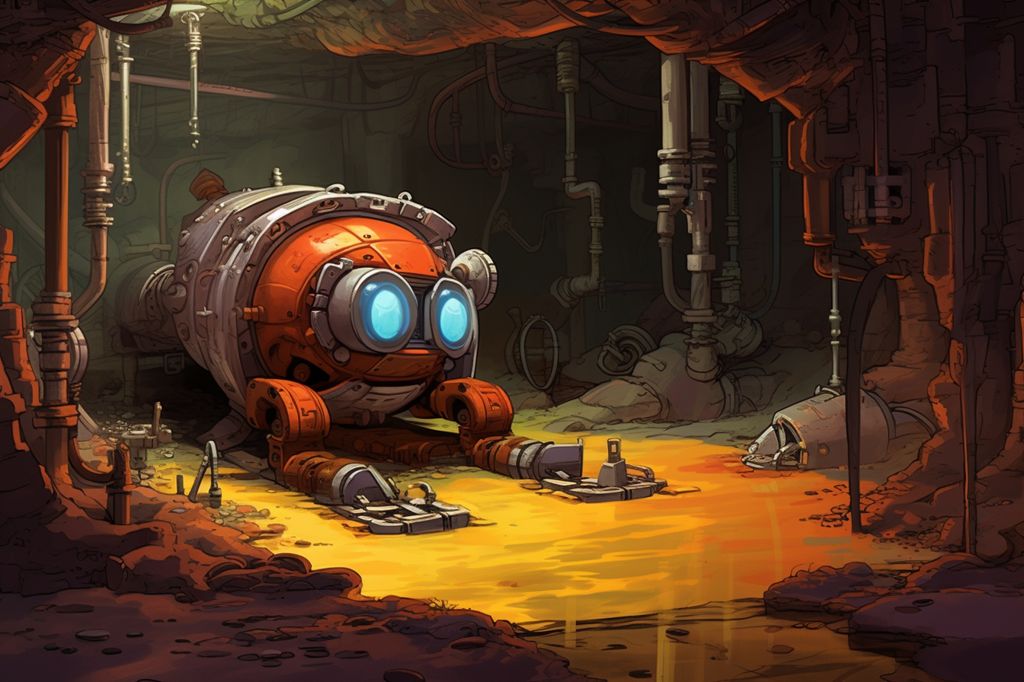
Innovative trenchless technology is being used for the Cape Flats upgrade, ensuring minimal disruption to residents and businesses. This method avoids invasive excavations, is three times more cost-effective than traditional construction work, and leaves minimal visible signs of maintenance. The project incorporates cutting-edge techniques such as robotic crawlers and laser profiling to assess the state of the underground pipelines.

Rehabilitation of Pipeline

Trenchless technology employs various methods, such as Cured In Place Pipe (CIPP) lining, Calcium Aluminate Cement (CAC), and Spirally Wound Liner (SWL), to select the best rehabilitative solution for different sections of the pipeline. Cape Town will replace 100 km of sewer pipes every year across the metro, with a total investment of R850m over three years.

Reduction in Spills

The replacement is part of a strategy to reduce sewer spills, including proactive cleaning of sewer lines, major bulk sewer upgrades, resourcing response teams, and digital telemetry systems for early warnings. The city has already experienced a notable 30% reduction in reported spills in the past two years, based on preliminary data.

Implementation of RIMA

The Reactive Incident Management System (RIMA) is being implemented to digitize the coordination of sewer spill responsiveness, allowing for better tracking of progress. For the 2022/23 financial year, Cape Town is executing 36 pipe replacements, with 22 already completed and 14 set to finish by 30 June. The city’s ambitious target of 100 km of sewer pipe replacement for 2023/24 promises to bring significant improvements to the lives of its residents and further solidify its commitment to a more equitable future.
Emma Botha is a Cape Town-based journalist who chronicles the city’s shifting social-justice landscape for the Mail & Guardian, tracing stories from Parliament floor to Khayelitsha kitchen tables. Born and raised on the slopes of Devil’s Peak, she still hikes Lion’s Head before deadline days to remind herself why the mountain and the Mother City will always be her compass.

Leave a Reply

Your email address will not be published.

Previous Story

Madonna’s Health Scare: A Challenging Time for the Queen of Pop and Her Loved Ones

Next Story

The Exclusion of Hoosen Bobat from Wimbledon’s Junior Tournament and Its Implications for Tennis

Latest from Blog

Forty Metres of Air: The Morning Kiteboarding Rewrote Physics

Hugo Wigglesworth, a young kiteboarder, defied gravity and rewrote the record books by soaring an incredible 40 meters into the air. He used powerful winds, a perfectly timed jump off a wave, and special gear to achieve this amazing feat. His careful planning and hundreds of practice runs made him fly higher than anyone before, showing the world what’s possible in kiteboarding.

Airbnb Under Fire: How Cape Town’s Housing Crunch Became a Tourism Blame-Game

Cape Town’s housing woes are NOT really Airbnb’s fault, even though a viral photo tried to blame them! The real problem is that not enough homes are being built, and lots of new people are moving to the city. Getting building permits takes forever, making homes expensive. Airbnb brings in lots of money and jobs, and even if all Airbnbs disappeared, it wouldn’t fix the big housing shortage. The city needs to build more homes and make it easier to do so, not just point fingers at tourists.

Cape Town’s Hottest Tables: Where Summer Tastes Like Salt, Smoke and Midnight Vinyl

Cape Town’s new restaurants are super exciting, offering amazing tastes from the ocean, farms, and even old recipes. Places like Amura serve unique sea dishes, while Tannin has a huge wine list and tiny plates. Café Sofi bakes heavenly pastries, Beach Buns makes awesome burgers, and Le Bistrot de JAN mixes French and South African flavors. These spots let you taste the city’s lively food scene, from fancy dinners to casual beach eats, making every meal an adventure.

Between Concrete and Current – Four Inland Hearts Meet the Indian Ocean

This article tells a beautiful story of four South Africans from inland places who see the Indian Ocean for the very first time. For many, the sea is just a picture, far away and hard to reach. But when these brave people finally touch the salty water, it changes them deeply. They feel the ocean’s power, taste its salt, and understand that this huge, blue world is now a part of their own story, breaking down old ideas about who can connect with the sea.