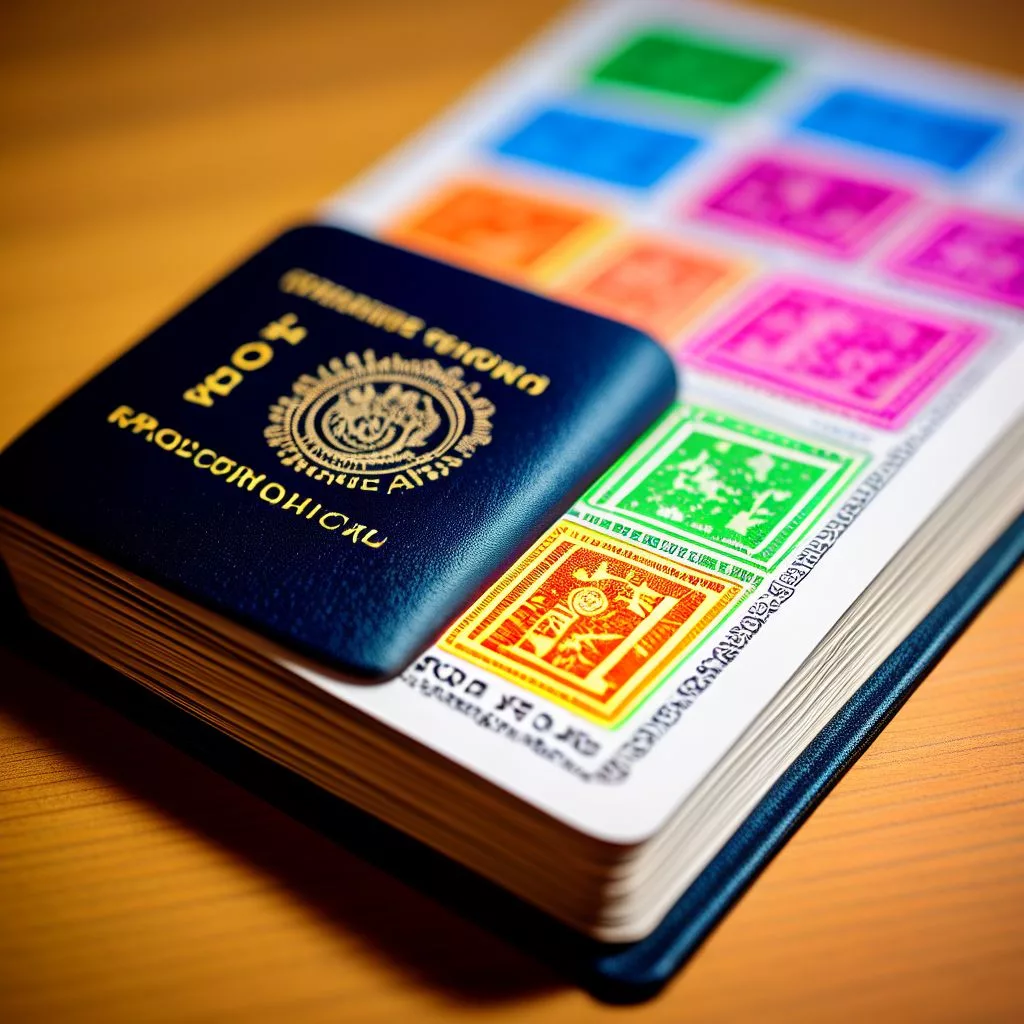
In 2024, South Africa’s passport ranks 48th in the world, letting its citizens visit 103 countries without a visa or with easy access. This shows the country is regaining its place on the global travel map, giving many South Africans new hope and pride. Though some countries like Ireland and Nigeria have tightened their visa rules, making travel harder for some, South Africans remain strong and determined to explore the world. The passport is more than just a travel tool—it tells a story of freedom, identity, and a bright future after a tough past.
How powerful is South Africa’s passport in 2024?
In 2024, South Africa’s passport ranks 48th on the Henley Passport Index, offering visa-free or visa-on-arrival access to 103 countries. This reflects improved global mobility, renewed national pride, and ongoing challenges due to tightened visa policies in some countries.
The Passport as a Key to the World
A passport may seem like little more than a booklet tucked away in a drawer, but it quietly signals where its holder belongs—and where they might go. In the complex web of international movement, a passport functions as both a gateway and a statement of identity. In 2024, South Africa’s passport has once again drawn global notice, landing at 48th place on the Henley Passport Index. For South Africans, this re-entry into the world’s top 50 brings more than just statistical improvement; it sparks renewed national pride and encourages citizens to see themselves as participants in the broader community of global travelers.
The Henley Passport Index provides the gold standard for measuring travel freedom, using data sourced from the International Air Transport Association (IATA) and enhanced by comprehensive analysis from Henley & Partners. Each year, the Index evaluates 199 different passports, measuring their holders’ ability to visit 227 destinations without obtaining a visa beforehand. In doing so, the Index acts as a mirror, reflecting the world’s changing political alliances, economic fluctuations, and security priorities. Just as 19th-century diplomats redrew borders at grand congresses, today’s shifting passport rankings map the contours of our interconnected world.
At the peak of this ranking, Singapore stands out, granting its citizens visa-free or visa-on-arrival access to 193 countries. This is testament to the nation’s well-earned reputation for effective diplomacy, stability, and influence. Japan and South Korea closely follow, with passports that open doors to 190 destinations. These Asian powerhouses symbolize the region’s growing role in shaping global travel, commerce, and cultural exchange, supported by the soft power their passports command.
Europe’s Enduring Strength and South Africa’s Journey
European countries continue to dominate the upper rungs of the Index. Denmark, Finland, France, Germany, Ireland, Italy, and Spain all tie for third place, each passport unlocking travel to 189 nations worldwide. The European Union, famous for its Schengen Area and legacy of cross-border cooperation, remains a model for how open travel can drive progress and exchange. The ease with which many European citizens move from country to country not only reflects enlightened policy but also reinforces Europe’s position as a hub of global mobility.
In this context, South Africa’s movement back into the top 50, after years of fluctuation, is particularly significant. The country previously ranked as high as 41st but fell to 53rd, raising concerns among both officials and the public. Over recent years, the South African passport wavered, falling just outside the top 50 before climbing back in 2024. While this improvement may appear modest compared to the giants at the top, it resonates deeply in a nation still redefining its global standing after apartheid.
This renewed standing, however, comes with caveats. South Africa’s passport now allows visa-free or visa-on-arrival access to 103 countries—a number that, while respectable, still lags behind the privileges enjoyed by citizens of Singapore, Japan, or major European states. The recent gains owe as much to the struggles of other countries as to South Africa’s own progress. Many nations have seen their passports weakened by tightened borders, new visa requirements, and shifting alliances—trends accelerated by global security issues and economic uncertainty.
Shifting Policies and Their Human Impact
Recent policy changes have tempered some of the optimism surrounding South Africa’s improved ranking. For example, Ireland recently revoked visa-free entry for South Africans, citing a rise in fraudulent activities involving fake documents. Nigeria has also ended its former policy of open entry, instead introducing an e-visa system aimed at curbing illegal trade. These decisions haven’t just altered bureaucratic procedures—they’ve changed the lives of ordinary travelers.
For students, entrepreneurs, and families, the loss of easy access to certain countries introduces new hurdles. A Johannesburg business owner who once traveled to Dublin for international conferences now faces daunting paperwork and longer waits. A Cape Town graduate aspiring to study in Ireland must now navigate a more complex visa process. These changes don’t just impact travel; they affect lifelong dreams, professional opportunities, and cherished family connections. The tightening of travel rules, even in a handful of countries, can have outsized effects on those who depend on mobility for their education, work, or personal lives.
Despite these setbacks, South Africans have shown remarkable adaptability. Since the early 1990s, when the end of apartheid ushered in a new era of possibility, the passport has transformed from a symbol of exclusion to one of hope. Today’s travelers have learned to negotiate changing requirements, gather necessary documentation, and seek out new pathways to realize their ambitions. This resilience reflects a broader spirit of enterprise and optimism that continues to define the South African approach to global engagement.
The Broader Landscape of Global Mobility
The shifting fortunes of passports worldwide stem from larger forces at play. Since the early 2000s, factors such as the global fight against terrorism, migration waves, and public health crises like the COVID-19 pandemic have led many governments to tighten their borders. These developments shape not just who can travel, but also how nations perceive trust, safety, and identity. In this environment, the Henley Passport Index becomes more than a technical ranking—it offers a window into the attitudes and anxieties shaping the modern world.
South Africa’s ability to maintain a relatively strong passport, even as many others lose ground, deserves recognition. The country’s stable democratic institutions, ongoing efforts to improve document security, and active diplomacy have all contributed to its resilience. While progress sometimes comes slowly, initiatives to clamp down on fraud and foster international cooperation have helped South Africa keep its place among the world’s more mobile nations.
The symbolism of the passport extends far beyond its practical use. It serves as a modern metaphor for the tension between belonging and freedom, between home and adventure. In art, literature, and history, the desire to cross borders—or the frustration of being kept out—echoes themes found in everything from the writings of Bruce Chatwin to the paintings of Paul Gauguin. The passport, in its changing forms, continues to represent the dreams and realities of a world defined by both limits and possibilities.
Lessons from the Past and Hopes for the Future
The evolution of travel documents traces the story of nations, citizenship, and individual agency. In centuries past, rulers issued handwritten letters of safe passage to favored travelers. By the 20th century, the passport had taken on its modern shape, reflecting both bureaucratic order and the changing nature of global politics. Even as biometric chips and digital authentication systems replace traditional stamps and signatures, the passport’s significance endures.
South Africa’s experience with travel documents looms large in its collective memory. During apartheid, strict controls on movement—both inside and outside the country—defined everyday life for millions. After 1994, the new passport came to represent not just legal access, but a promise of belonging to a bigger world. Each small advance in global mobility stands as a testament to the country’s journey away from isolation and toward a more open, interconnected future.
As borders continue to shift and new alliances form, the status of each nation’s passport remains in flux. The story of South Africa’s passport—its setbacks, recoveries, and ongoing evolution—offers a vivid example of how access, identity, and aspiration play out in a world defined by movement. Ultimately, the Henley Passport Index isn’t just about numbers; it reveals the lived realities of people seeking opportunity, connection, and a sense of possibility in a complex, ever-changing world.
FAQ: South Africa’s Passport and Global Mobility in 2024
1. How powerful is South Africa’s passport in 2024?
In 2024, South Africa’s passport ranks 48th in the world according to the Henley Passport Index. It allows South African citizens visa-free or visa-on-arrival access to 103 countries. This ranking reflects an improvement in global mobility for South Africans and signals renewed national pride. However, it still trails behind countries like Singapore, Japan, and many European nations, whose passports open access to far more destinations.
2. What does South Africa’s passport ranking mean for travelers?
The 48th position on the Henley Passport Index indicates that South African travelers enjoy a respectable level of freedom to move internationally without needing to obtain visas in advance for many countries. However, the ranking also highlights ongoing challenges due to tightened visa policies in certain countries, such as Ireland and Nigeria, which recently imposed stricter entry requirements. For travelers, this means some destinations now require more paperwork and longer wait times.
3. Why have some countries like Ireland and Nigeria tightened visa rules for South Africans?
Countries like Ireland and Nigeria have introduced stricter visa policies mainly due to concerns about illegal activities such as document fraud and illegal trade. For example, Ireland revoked visa-free access for South African citizens citing a rise in fraudulent documents. Nigeria implemented an e-visa system aimed at better controlling entry and curbing illegal cross-border activities. These policy changes reflect broader global trends toward tighter border controls driven by security and economic considerations.
4. How does the Henley Passport Index work and why is it important?
The Henley Passport Index ranks passports based on the number of destinations their holders can visit without needing a visa beforehand. It uses data from the International Air Transport Association (IATA) and Henley & Partners’ own analysis, evaluating 199 passports against 227 travel destinations annually. The Index is a key global benchmark that reflects political relationships, economic conditions, and security policies worldwide. For South Africa, the Index shows how its passport’s strength mirrors its evolving place in the global community.
5. What is the historical significance of South Africa’s passport?
South Africa’s passport carries deep historical meaning. During apartheid, strict controls restricted movement both within and outside the country for millions. After apartheid ended in 1994, the passport transformed from a symbol of exclusion into one of hope, freedom, and global belonging. Today, the passport represents the country’s ongoing journey from isolation toward greater inclusion in the international community and global mobility.
6. What does the future hold for South Africa’s passport and global mobility?
While South Africa’s passport has regained a spot in the world’s top 50 passports, challenges remain due to shifting global policies and security concerns. Continued efforts to improve document security, diplomatic relations, and international cooperation are crucial for further gains. As technology advances—with biometric chips and digital authentication—South Africa aims to enhance the trustworthiness and convenience of its travel documents. Ultimately, the passport will remain a powerful symbol of identity and aspiration in a world where mobility is key to opportunity and connection.