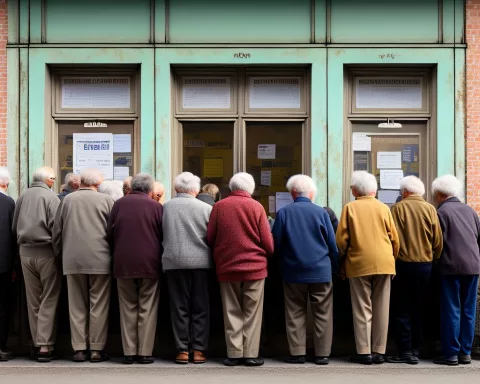

South Africa’s 2025 budget lifts key social grants, giving more money to the elderly, disabled, war veterans, foster carers, and children. These grants help millions afford basics like food, school, and shelter, acting as a lifeline in tough times. The government also keeps the COVID-era relief grant going, showing it cares about long-term support. Beyond cash, plans are underway to link grants with job training and work chances, aiming to help people build better futures. This mix of care and opportunity reflects South Africa’s hope for a fairer, kinder society.
What are the key changes to South Africa’s social grants in the 2025 budget?
South Africa’s 2025 budget increases major social grants to support vulnerable groups: old age and disability grants rise to R2,315, war veterans to R2,335, foster care to R1,250, and child support to R560. The Social Relief of Distress (SRD) grant continues at R370, ensuring ongoing social protection and economic inclusion.
A Renewed Commitment to Social Protection
South Africa’s social assistance system beats with a unique energy, shaped by shifting economic realities and the enduring resilience of its citizens. When Finance Minister Enoch Godongwana presented the 2025 Budget Overview in Parliament, his speech mirrored both the weight of the past and the promise of the future. Once again, the government reaffirmed its pledge to support those most exposed to hardship, demonstrating that its dedication to social protection is more than routine – it is a conscious choice rooted in national values.
Social grants have become integral to post-apartheid South Africa’s efforts to address historical injustices. The country’s model draws inspiration from European welfare states but adapts those ideals to meet local challenges. The latest budget not only maintains this support but strengthens it. All major social grants, except for the Social Relief of Distress (SRD) grant, will increase in the next fiscal year, ensuring deeper impact and broader coverage for vulnerable groups.
These upcoming changes are more than simple numbers on a government balance sheet. For example, the old age grant will climb from R2,185 to R2,315 per month, while the disability grant will match this amount. War veterans will see their monthly support rise from R2,205 to R2,335. The foster care grant will increase from R1,180 to R1,250, and the child support grant will move from R530 to R560. Each adjustment represents not just a technical revision, but a real shift in quality of life for millions.
The Realities Behind the Numbers
Behind each social grant lies a network of individual stories and daily struggles. In the townships surrounding Cape Town, for instance, the old age grant often means the difference between hunger and a dignified meal, or between isolation and connectedness. Elderly recipients frequently become the backbone of extended families, providing stability in households shaped by economic insecurity and social change. Even a relatively modest increase in their grants acknowledges their vital role and offers direct improvement in daily living conditions.
Caregivers who depend on the foster care and child support grants face different, but equally complex, realities. Many families still grapple with the lingering consequences of HIV/AIDS, unemployment, and disrupted communities. In these households, grants become anchors that help pay for essentials: school uniforms, transport, basic utilities, and food. For these families, social assistance is not an abstract concept but a lifeline that keeps children in school and homes intact. In this way, the government’s actions reflect the spirit of South Africa’s constitution – championing dignity, equality, and opportunity.
The commitment extends beyond rhetoric. For the 2025/26 fiscal year, the National Treasury has allocated an additional R1.6 billion to the social grants budget. This injection of funds must serve a vast and complex population. By March 2028, the government expects that 19.3 million people, not counting SRD recipients, will rely on these grants. The sheer scale evokes comparisons with the great social welfare initiatives of post-war Europe, but South Africa’s context remains distinctly shaped by the scars of apartheid, colonialism, and the pressures of a globalized world.
Navigating New Challenges and Innovations
One of the most noteworthy aspects of this budget is the continued extension of the SRD grant, a program originally introduced during the COVID-19 pandemic to shield millions from economic disaster. Although the SRD grant is set at R370 per month – a modest amount – it remains crucial for many households. The government has committed R35.2 billion to ensure the SRD grant continues until at least March 2026, including the necessary administrative costs. This decision highlights an understanding that the broader economic and social impacts of the pandemic are far from over.
Yet, policymakers recognize that simply providing cash transfers cannot resolve the country’s deeper challenges. Minister Godongwana emphasized the need to “actively explore various options to better integrate the SRD grant with employment strategies.” This approach reflects lessons from social democracies worldwide: effective social policy combines support with pathways to employment. The government’s consideration of a job-seeker allowance suggests a willingness to innovate, blending financial relief with initiatives that encourage skills development and workforce participation.
By reviewing Active Labour Market Programmes, South Africa signals its intention to design social policies that foster not just subsistence, but empowerment. These programs aim to give beneficiaries more than a temporary reprieve – they seek to develop skills, provide mentorship, and open doors to long-term employment. The broader message is clear: the ultimate purpose of social spending is to enable individuals to shape their own futures, fostering a society where everyone has a genuine chance to thrive.
Social Grants in a Landscape of Persistent Inequality
Despite these progressive steps, South Africa faces severe and stubborn challenges. Unemployment rates remain high, with young people disproportionately affected. Inequality, rooted deeply in history, continues to shape daily experiences and limit opportunities. In this environment, social grants perform double duty: they offer immediate relief from deprivation, while also serving as strategic investments in human potential.
The logic behind these policies draws on the ideas of influential economists like John Maynard Keynes, who advocated for social spending as a tool for both economic stabilization and social cohesion. In South Africa’s case, social grants help prevent extreme poverty, keep children in school, and support the elderly – outcomes that collectively strengthen the entire society.
Debates about social grants remain lively and sometimes contentious. Some critics point to concerns about fiscal sustainability, rising public debt, and the risk that cash transfers might discourage recipients from seeking work. Others see social grants as essential tools for social justice and economic inclusion. The government, for its part, acknowledges these tensions. As articulated by Minister Godongwana, the state views grants as necessary but not sufficient – true progress requires combining financial support with tangible opportunities for employment, entrepreneurship, and skills development.
Looking Ahead: Social Grants as Foundations for a Just Society
South Africa’s social grant system continues to evolve alongside the nation’s broader journey toward reconciliation, innovation, and inclusion. The current budget reflects both continuity and change: it increases support for vulnerable groups while also launching new experiments in integrating social protection with economic opportunity. These choices draw from both local realities and global best practices, honoring the country’s unique history while striving to address contemporary needs.
Social grants, then, are more than bureaucratic instruments or economic statistics. They are living symbols of care, solidarity, and the ongoing effort to build a society where everyone matters. Their impact appears not only in official reports, but in the everyday victories – a child who attends school, a grandmother who shares a meal with her family, a young adult who seizes a new opportunity. These moments, though often overlooked, form the bedrock of a nation in the making.
As South Africa navigates continued uncertainty and change, its social policy remains both a safety net and a springboard. The 2025 budget serves as a reminder that meaningful social progress is an ongoing process, requiring constant reflection, adaptation, and investment. In pursuing a more inclusive future, the country’s evolving social grant system stands as both a promise and an invitation – to care for one another, to invest in each other’s potential, and to keep building towards a fairer, more hopeful tomorrow.
What are the main social grants increased in South Africa’s 2025 budget?
The 2025 budget raises several key social grants to support vulnerable groups:
- Old Age and Disability Grants: Increased from R2,185 to R2,315 per month
- War Veterans Grant: Raised from R2,205 to R2,335 per month
- Foster Care Grant: Increased from R1,180 to R1,250 per month
- Child Support Grant: Raised from R530 to R560 per month
- Social Relief of Distress (SRD) Grant: Continues at R370 per month
These increases aim to improve the quality of life for millions of South Africans facing economic hardship.
Who benefits most from South Africa’s social grants?
Social grants primarily help:
- Elderly individuals, who often support extended families
- People with disabilities, providing crucial financial stability
- War veterans, recognizing their service and needs
- Foster carers and children, helping cover essential costs like school, food, and shelter
- Individuals affected by COVID-19 economic challenges, through the ongoing SRD grant
Together, these grants assist approximately 19.3 million people (excluding SRD recipients), acting as both immediate relief and long-term support mechanisms.
What is the Social Relief of Distress (SRD) grant, and why is it important?
The SRD grant was introduced during the COVID-19 pandemic to provide emergency assistance to those facing economic disruption. Set at R370 per month, it continues until at least March 2026, backed by a R35.2 billion government allocation. While modest, it remains a vital lifeline for many families still grappling with pandemic-related hardships and broader social challenges.
How is the South African government linking social grants with employment opportunities?
Recognizing that cash transfers alone cannot solve unemployment or poverty, the government plans to integrate social grants with job training and work opportunities. This includes:
- Exploring the introduction of a job-seeker allowance
- Reviewing and expanding Active Labour Market Programmes
- Providing skills development, mentorship, and pathways to long-term employment
This approach aims to empower beneficiaries, helping them transition from social dependence to economic participation.
How do social grants fit into South Africa’s broader fight against inequality?
South Africa’s social grants are designed not only to provide immediate relief from poverty but to help address entrenched inequality rooted in the country’s history. By supporting vulnerable groups, keeping children in school, and stabilizing households, grants contribute to social cohesion and economic inclusion. They serve as both a safety net and a strategic investment in human potential, vital in a country still dealing with high unemployment and structural inequality.
What challenges and criticisms surround South Africa’s social grant system?
Despite broad support, social grants face ongoing debates, including:
- Fiscal sustainability concerns, as the budget for grants grows and public debt rises
- Potential disincentives to work, with some critics arguing that grants might reduce motivation to seek employment
- Balancing immediate relief with long-term empowerment, ensuring grants do not foster dependency
The government acknowledges these challenges and seeks to address them by combining financial assistance with programs that promote skills development and economic participation, aiming for a balanced and sustainable social protection system.