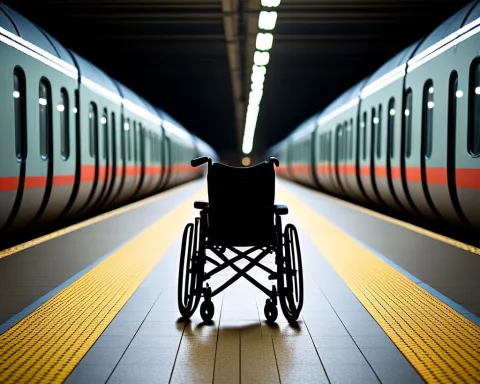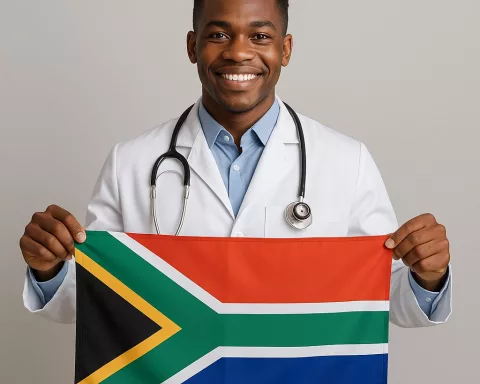

South Africa is leading the way in championing the rights of individuals with disabilities through the implementation of inclusive policies and integration of the United Nations Convention on the Rights of Persons with Disabilities into its legal framework. The country also has policies in place to ensure unrestricted access to critical public services like healthcare and education. South Africa is committed to creating partnerships with individuals with disabilities and the United Nations Disability Inclusion Strategy to make inclusivity a reality, reflecting the nation’s dedication to upholding and safeguarding human rights for all.
South Africa’s Advocacy for Rights of Individuals with Disabilities
South Africa is committed to championing the rights of individuals with disabilities. The country is actively implementing inclusive policies and working to integrate the United Nations Convention on the Rights of Persons with Disabilities into its legal framework. Furthermore, South Africa has policies in place to ensure unrestricted access to critical public services like healthcare and educational facilities. The nation is also encouraging alliances with individuals with disabilities and the United Nations Disability Inclusion Strategy to make inclusivity a reality.
South Africa’s Advocacy for Rights of Individuals with Disabilities
In an effort to promote transnational discourse, South Africa recently pledged its support towards the rights of individuals with disabilities during the 55th meeting of the Human Rights Council. Minister Naledi Pandor, who made this statement, emphasized the necessity of leveraging collective initiatives to champion, amplify, and realize the rights of individuals with disabilities.
The focus of this high-profile event was specifically on enabling full and active participation of individuals with disabilities in society. Minister Pandor expressed her appreciation towards the panel members for their enlightening inputs. South Africa displayed commendable receptiveness to suggestions aimed at reinforcing the implementation of inclusive policies while championing the rights of individuals with disabilities within the United Nations structure.
The Role of South Africa’s Law Reform Commission and the New Legislation
Panel discussions highlighted the need for an array of services to aid persons with disabilities in managing everyday tasks and engaging fully in their communities. Minister Pandor drew attention to the persistent efforts of South Africa’s Law Reform Commission in this light. The Commission is diligently working towards integrating the United Nations Convention on the Rights of Persons with Disabilities into the country’s legal framework.
The forthcoming legislation will replace South Africa’s current White Paper on the rights of persons with disabilities by the end of the year. This legislative change emphasizes the nation’s commitment to adopting a rights-based approach for support and care. The aim is to harmonize domestic laws with the principles enshrined in the South African Constitution, especially those related to inclusiveness and protection of the rights of individuals with disabilities.
Beyond Legislation: Social Protections and Public Services
South Africa’s dedication to individuals with disabilities extends far beyond legislative action. The nation has taken significant measures to ensure social protections for persons with disabilities, guarding their inherent rights against indifference and intolerance from those without disabilities. The conviction is steadfast – individuals with disabilities have the right to a dignified, free, and independent life within their chosen communities. There are policies in place to ensure unrestricted access to critical public services like healthcare and educational facilities.
The United Nations Convention on the Rights of Persons with Disabilities serves as an exhaustive guide for the execution of these measures. South Africa takes pride in adhering to the duties outlined by the Convention and its Optional Protocol, dutifully fulfilling its reporting obligations on a regular basis.
Creating Partnerships and Fostering Inclusivity
South Africa is also encouraging alliances with individuals with disabilities and the United Nations Disability Inclusion Strategy. The country is dedicated to executing the UNDIS, with a particular focus on empowering individuals with disabilities of all ages, especially women on national and regional fronts, to uphold and safeguard their human rights. This commitment mirrors South Africa’s belief in technical cooperation and its resolve to make inclusivity a reality.
The commitment of South Africa towards the rights of individuals with disabilities is unequivocal. The nation’s progressive steps towards legislative amendments, social protections, and international collaborations underline this commitment. This proclamation stands as a tribute to South Africa’s unwavering endeavors to ensure that the rights of people with disabilities are not only recognized but fully realized, fostering an inclusive society where everyone can contribute effectively.
1. What is South Africa’s stance on disability rights?
South Africa is leading the way in championing the rights of individuals with disabilities through the implementation of inclusive policies and integration of the United Nations Convention on the Rights of Persons with Disabilities into its legal framework.
2. What policies does South Africa have in place for individuals with disabilities?
South Africa has policies in place to ensure unrestricted access to critical public services like healthcare and educational facilities.
3. What legislative changes is South Africa making to support individuals with disabilities?
South Africa’s Law Reform Commission is diligently working towards integrating the United Nations Convention on the Rights of Persons with Disabilities into the country’s legal framework. The forthcoming legislation will replace South Africa’s current White Paper on the rights of persons with disabilities by the end of the year.
4. What social protections does South Africa have for individuals with disabilities?
South Africa has taken significant measures to ensure social protections for persons with disabilities, guarding their inherent rights against indifference and intolerance from those without disabilities. The conviction is steadfast – individuals with disabilities have the right to a dignified, free, and independent life within their chosen communities.
5. How is South Africa fostering inclusivity for individuals with disabilities?
South Africa is encouraging alliances with individuals with disabilities and the United Nations Disability Inclusion Strategy. The country is dedicated to executing the UNDIS to uphold and safeguard the human rights of individuals with disabilities, especially women, on national and regional fronts.
6. What does South Africa’s commitment towards disability rights signify?
South Africa’s commitment towards the rights of individuals with disabilities is unequivocal. The nation’s progressive steps towards legislative amendments, social protections, and international collaborations underline this commitment. This proclamation stands as a tribute to South Africa’s unwavering endeavors to ensure that the rights of people with disabilities are not only recognized but fully realized, fostering an inclusive society where everyone can contribute effectively.