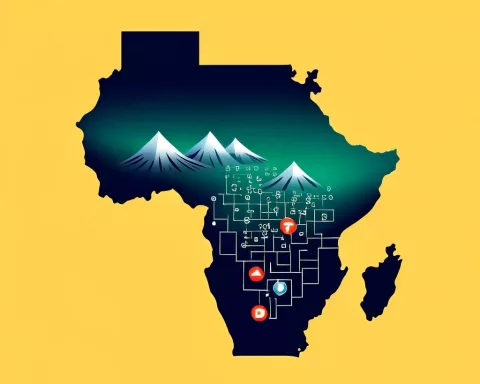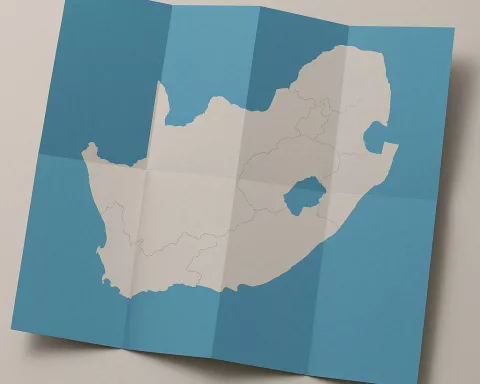
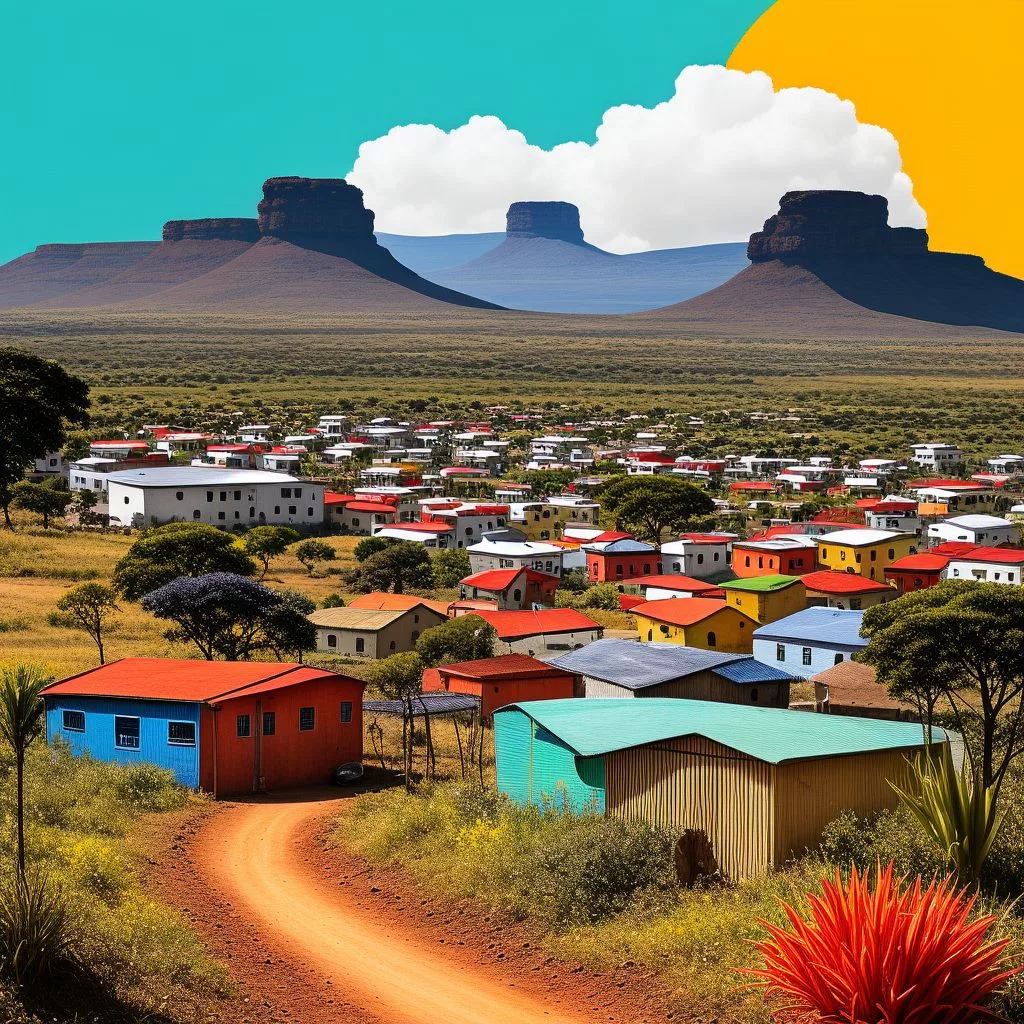
South Africa’s 2025/26 tourism budget is all about making tourism fair, strong, and welcoming for everyone. It supports small local businesses, improves safety and services, and brings exciting events to towns big and small. The budget honors Nelson Mandela’s dream by using tourism to fight poverty and celebrate the country’s rich culture. By working closely with communities and building global partnerships, South Africa aims to create jobs, protect heritage, and share the benefits of growth with all its people. This is a bold step toward a brighter, more inclusive future for tourism and the nation.
What are the key priorities of South Africa’s 2025/26 tourism budget?
South Africa’s 2025/26 tourism budget focuses on transformation, supporting SMMEs, enhancing service quality, expanding MICE events, community engagement, improving safety and infrastructure, and fostering international partnerships. These priorities aim to promote inclusive growth, preserve heritage, and boost the tourism sector’s national impact.
Mandela’s Legacy and Tourism’s Role in National Renewal
Each July, South Africans reflect on the life and vision of Nelson Mandela, a leader whose influence extends far beyond politics. His ideals of social justice, inclusivity, and equality continue to guide policy discussions, especially during Mandela Month. This year, as Nelson Mandela International Day embraced the theme, “It’s still in our hands to combat poverty and inequity,” Deputy Minister Maggie Sotyu invoked these values while addressing the National Council of Provinces on the next chapter for tourism. Her 2025/26 budget policy speech did more than outline financial priorities; it cast tourism as a force for national transformation.
Tourism stands at a pivotal moment in South Africa’s journey. The sector reflects the country’s ongoing struggles with poverty and inequality, yet it also offers a dynamic path toward growth and inclusion. By fostering employment, celebrating South Africa’s diverse cultural heritage, and stimulating entrepreneurship, tourism can become both a mirror of the nation’s challenges and a beacon guiding it forward.
In this context, tourism is more than an industry—it is a living expression of democratic values. Every guesthouse, heritage site, and small business represents an opportunity to reimagine the country’s future, ensuring that the benefits of growth extend to all communities, not just a privileged few.
SMMEs: Driving Local Growth and Empowerment
A centerpiece of Sotyu’s address was her strong focus on small and medium enterprises (SMMEs), which remain the backbone of the tourism sector. These businesses, often built by families and deeply rooted in their communities, provide critical services while reflecting local identity and entrepreneurial spirit. The Tourism Grading Support Programme (TGSP) stands out as a key initiative, reducing the financial burden of maintaining high standards for smaller establishments. Last year alone, nearly three thousand businesses accessed this support, raising the bar for quality and reinforcing South Africa’s reputation as a top destination.
The importance of SMMEs cannot be overstated, particularly in a country where the scars of exclusion and underdevelopment still affect many areas. In places often overlooked by major investors—whether small towns, rural villages, or urban townships—such targeted support helps businesses to thrive. When a family-run guest house in a remote province earns recognition, it sends a clear message that every part of the country has something valuable to offer.
Programs like TGSP echo historic movements that championed craftsmanship and local enterprise, reminiscent of the Arts and Crafts Movement’s celebration of the unique and handmade. By nurturing these businesses, the tourism sector not only boosts the economy but also preserves and showcases the distinct character of South Africa’s regions.
Recognizing Excellence and Fostering a Culture of Quality
Elevating standards across the tourism sector requires more than financial support—it demands recognition of hard work and achievement. The Tourism Service Excellence Awards, held recently in the Eastern Cape, spotlight the dedication and innovation that define South Africa’s hospitality industry. These awards do more than celebrate winners; they inspire others to pursue excellence and contribute to a culture where continuous improvement becomes the norm.
The power of recognition is deeply rooted in human history. From the master craftsmen of Renaissance Europe to Japan’s kaizen philosophy of incremental improvement, societies have long understood that public acknowledgment can drive individuals and industries to new heights. In South Africa’s context, these awards have added significance, helping to bring previously marginalized rural and township businesses into the national spotlight.
Encouraging a spirit of achievement does more than reward excellence—it helps shift the narrative about who can participate and succeed in tourism. Each accolade received by an entrepreneur in a small town or an innovator in a township underscores a broader effort to democratize economic opportunity and redefine success in a transforming nation.
Expanding Opportunities Through Business Events
Another focal point in the Deputy Minister’s vision involves leveraging the Meetings, Incentives, Conferences, and Exhibitions (MICE) sector as a catalyst for broader economic impact. The South African National Conventions Bureau (SANCB) has played a strategic role by investing R19 million to attract major international conferences and events aligned with the country’s development priorities. These efforts deliver widespread benefits: each event draws visitors who stay in local hotels, dine at local restaurants, use local transport, and participate in cultural activities—directly impacting jobs and skills development for local residents.
Importantly, Sotyu highlighted the need to ensure these economic opportunities extend beyond major urban centers. By deliberately supporting events in villages, townships, and smaller towns, the government applies the District Development Model to direct resources to areas that have historically missed out. In the last year, nine significant business events took place in these often-overlooked communities, helping to distribute growth and opportunity more evenly.
This regional approach challenges the legacy of uneven development inherited from the colonial era. By consciously directing investment away from the traditional economic hubs, the government makes a statement about fair access and the right of all communities to benefit from the nation’s progress. Such a shift aligns with the ideas of thinkers like Frantz Fanon, who advocated for economic structures that serve the many rather than the few.
Community-Centered Tourism: Listening and Learning
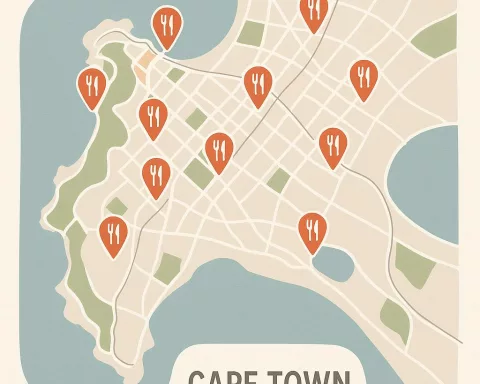
Throughout her speech, Sotyu emphasized that effective tourism policy must engage directly with local communities. Her visit to Bo-Kaap, a historic Cape Town neighborhood celebrated for its vibrant culture, offered a powerful lesson: true tourism development begins with local voices. Residents made it clear that top-down approaches are less effective than authentic partnerships that respect community priorities and aspirations.
This perspective reflects a global movement toward community-based tourism, which ensures that local people participate in decision-making and share in the benefits. International examples abound, from Costa Rica’s successful ecotourism projects to Thailand’s village homestays, where community members are central to both planning and operations. In South Africa, this model empowers guides, artisans, and entrepreneurs to become co-creators, not just service providers.
Empowering communities transforms the visitor experience. When travelers interact with guides from Mbombela or buy crafts directly from makers in Soweto, they engage with living culture and help sustain local economies. This approach fosters pride, strengthens social ties, and ensures that tourism is a genuine engine of upliftment.
Ensuring Safety, Infrastructure, and an Exceptional Visitor Experience
Quality tourism experiences depend on more than enthusiastic hosts—they require solid infrastructure and a focus on safety. Sotyu acknowledged these priorities, emphasizing that global competitiveness relies on destinations being both accessible and secure. The Tourism Monitors Programme, for example, works alongside police and local authorities to enhance safety for both visitors and residents. When everyone—from government to businesses—shares responsibility for security, the sector becomes more resilient and welcoming.
Throughout history, successful travel destinations have balanced beauty, hospitality, and reliability. Ancient centers like Rome and Constantinople offered not just marvels to see, but also safe roads and vigilant guards. Today, the stakes are even higher as digital platforms spread news of both positive and negative experiences worldwide. Ensuring that visitors feel safe and cared for has never been so crucial to maintaining a positive national image.
Investing in infrastructure—roads, telecommunications, and transport—also underpins the sector’s expansion. Improved connectivity encourages longer stays, repeat visits, and broader exploration, helping to spread tourism’s benefits to every corner of the country.
International Partnerships and Heritage Preservation
Strategic international partnerships play a vital role in strengthening South African tourism. Sotyu pointed to the R120 million grant from the European Union for the Kgodumodumo Dinosaur Interpretation Centre in Golden Gate National Park as a prime example. This collaboration, with a total investment of R131 million, demonstrates how leveraging global expertise and funding can unlock new opportunities.
Such projects reflect a broader trend, familiar from UNESCO World Heritage sites, where protecting and interpreting cultural and natural assets requires both local ownership and international support. The Kgodumodumo Centre will not only welcome visitors eager to explore South Africa’s ancient past but also create jobs and inspire pride in the region’s unique story.
These partnerships reinforce the message that South Africa’s heritage and potential are of global significance. They serve as reminders that tourism is both a local and international endeavor, where cooperation can create lasting value.
Building an Inclusive Future: Transformation, Equity, and Shared Prosperity
At the heart of every policy discussed lies a deep commitment to transformation. Despite progress, South Africa’s tourism sector still bears the imprint of historic inequities. True growth will only happen when the benefits of tourism reach those who have been excluded for generations. Sotyu made it clear that transformation is not just a technical goal but a moral imperative and a cultural project.
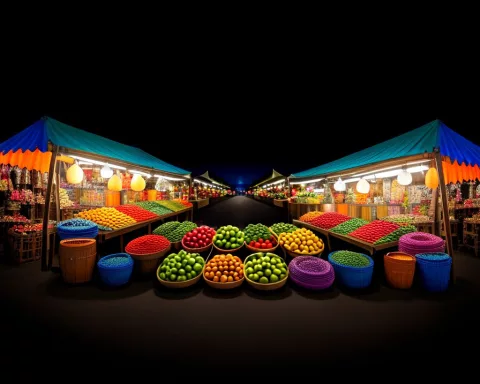
This ongoing journey is visible in the daily work of the sector: in the kitchens of coastal hotels, in the bustling markets of townships, in the creative workshops of craft collectives, and along the wild and beautiful coastlines that draw visitors from around the world. As tourism expands, it must draw on the country’s rich tapestry of cultures, languages, and landscapes, celebrating difference while building a sense of shared destiny.
The 2025/26 tourism budget, then, represents more than an allocation of funds. It reaffirms a collective commitment to an industry that both preserves heritage and creates new possibilities. South Africa’s tourism sector stands ready to welcome the world, guided by the ideals of justice, creativity, and inclusion that have long defined its national story.
What are the main goals of South Africa’s 2025/26 tourism budget?
South Africa’s 2025/26 tourism budget aims to make tourism fair, strong, and welcoming for everyone. Key goals include supporting small and medium enterprises (SMMEs), improving safety and infrastructure, expanding business events (MICE), engaging communities, fostering international partnerships, and preserving cultural heritage. Ultimately, the budget seeks to create jobs, promote inclusive economic growth, and share tourism benefits across all communities, reflecting Nelson Mandela’s vision of fighting poverty and inequality through tourism.
How does the budget support Small, Medium, and Micro Enterprises (SMMEs) in tourism?
SMMEs are the backbone of South Africa’s tourism sector, often rooted in local communities and family businesses. The budget supports these enterprises through initiatives like the Tourism Grading Support Programme (TGSP), which helps reduce the financial burden of maintaining high standards and improving service quality. Nearly 3,000 businesses benefited last year, helping to raise the sector’s overall reputation. This support empowers businesses in smaller towns, rural areas, and townships, enabling them to thrive and showcase local culture and entrepreneurship.
What role does community engagement play in South Africa’s tourism strategy?
Community-centered tourism is a core principle, emphasizing authentic partnerships that involve local voices in decision-making. By listening to communities, such as those in Bo-Kaap, tourism policies better reflect local priorities and aspirations. This approach aligns with global examples of community-based tourism, empowering local guides, artisans, and entrepreneurs to share their culture directly with visitors. It helps sustain local economies, builds pride, and ensures tourism benefits are shared broadly.
How is safety and infrastructure addressed in the tourism budget?
Safety and infrastructure are critical to delivering exceptional visitor experiences and maintaining global competitiveness. The budget supports programs like the Tourism Monitors Programme, which collaborates with police and local authorities to enhance safety for tourists and residents alike. Investments are also made in improving roads, telecommunications, and transport networks to ensure accessibility and encourage longer stays. A secure and well-connected environment attracts more visitors and supports sustainable growth.
What is the significance of international partnerships in South African tourism?
International partnerships provide vital funding, expertise, and global exposure to strengthen South African tourism. For example, a R120 million grant from the European Union supports the Kgodumodumo Dinosaur Interpretation Centre in Golden Gate National Park. Such collaborations help preserve heritage sites, create jobs, and promote the country’s unique stories to the world. These partnerships reinforce that tourism in South Africa is both a local and global effort, benefiting from shared knowledge and resources.
How does the tourism budget contribute to Nelson Mandela’s legacy and national transformation?
The 2025/26 tourism budget reflects Nelson Mandela’s ideals of social justice, inclusivity, and fighting poverty. Tourism is positioned as a tool for national renewal by creating jobs, celebrating cultural diversity, and fostering economic participation across all communities. The budget’s focus on equity, transformation, and shared prosperity ensures that the benefits of tourism reach historically marginalized groups, helping to build a more inclusive and unified South Africa aligned with Mandela’s vision for the nation.