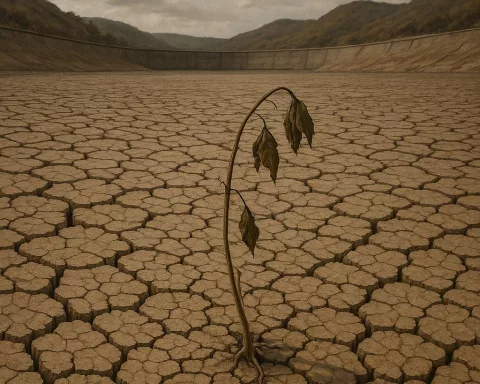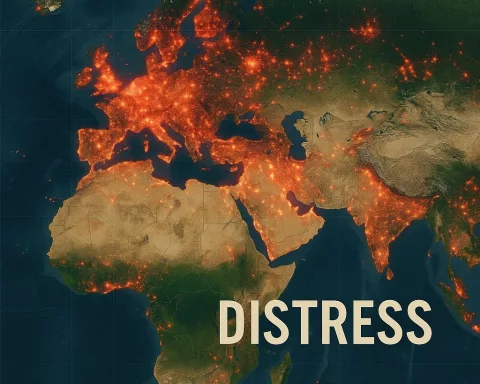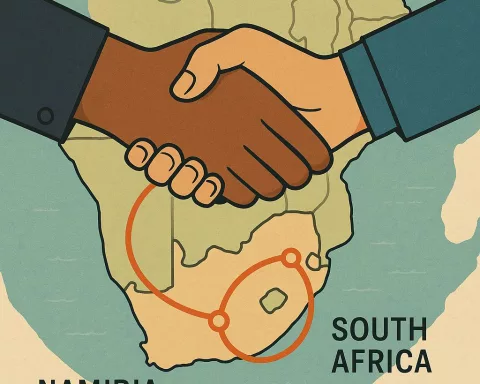
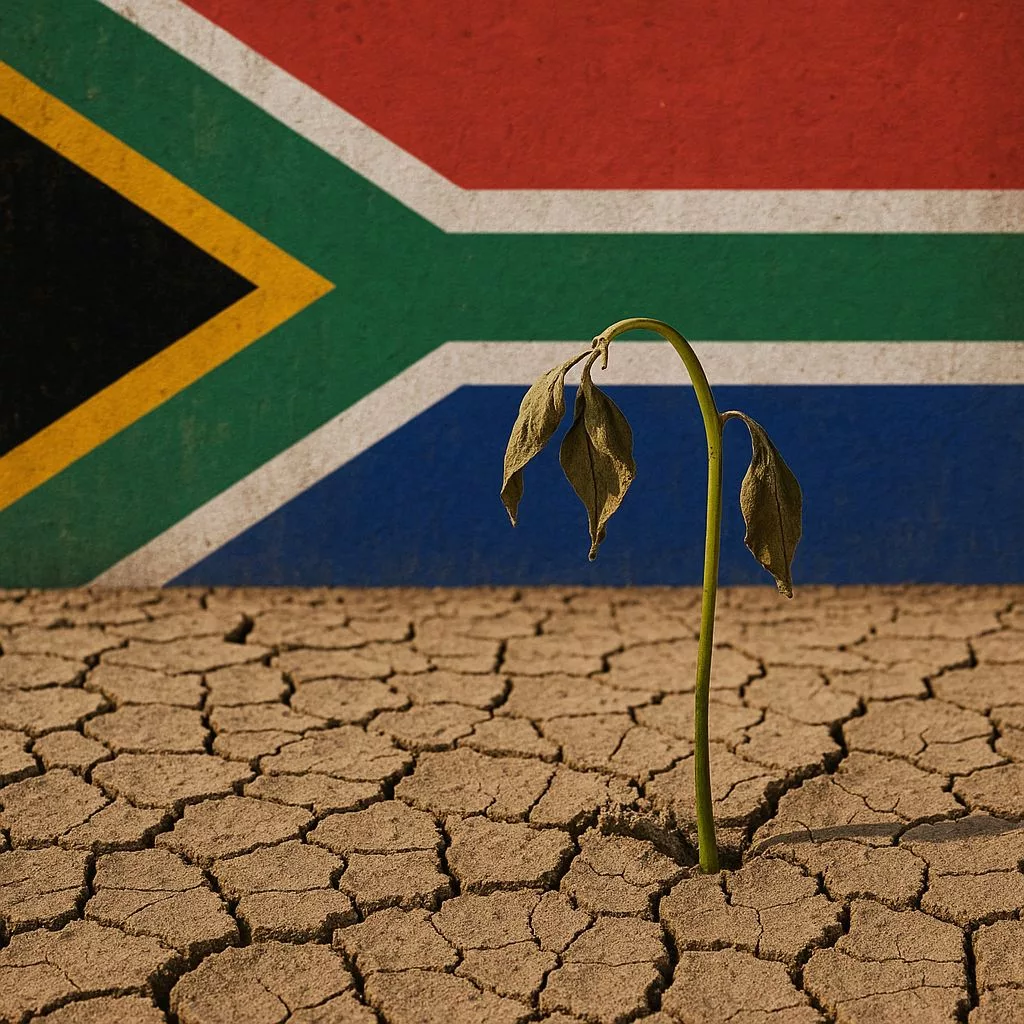
South Africa’s water system is a mess! Almost half of its drinking water isn’t safe, and nearly all wastewater plants are failing. This causes sickness and poisons rivers. Bad money choices, poor upkeep, and old pipes mean lots of water is wasted. The government knows there are huge problems and needs to fix them fast to keep people healthy and our environment safe.
What is causing South Africa’s water crisis?
South Africa’s water crisis stems from widespread failures across the water sector, including nearly half of municipal water systems delivering unsafe drinking water and 99% of wastewater facilities failing quality benchmarks. This is exacerbated by infrastructure lags, financial mismanagement, and governance breakdowns, costing almost R15 billion in water losses last year.
A System in Turmoil: Audit Exposes Widespread Failures
South Africa’s water sector faces a pivotal moment amid growing alarm over systemic breakdowns. The first consolidated audit of the water sector, shared by the Auditor-General South Africa (AGSA) to the Portfolio Committee on Water and Sanitation on December 2, 2025, exposed a landscape riddled with failures. The audit paints a vivid, unsettling portrait: infrastructure lags far behind minimum standards, the delivery of safe, reliable water is increasingly uncertain, and major financial and governance discrepancies undermine any prospects for stability.
The AGSA’s investigation documented multiple high-priority failings. Nearly half of municipal water systems deliver unsafe drinking water, while chemical safety lapses threaten close to the same percentage. The wastewater treatment sector teeters on the brink of collapse, with a staggering 99% of facilities failing at least one essential quality benchmark. Meanwhile, preventable water losses from leaks and neglected infrastructure have cost the nation almost R15 billion in just the last fiscal year.
Project completions rarely align with targets, as nationwide delays now average 32 months. Maintenance programs falter in the wake of sustained neglect, feeding an accelerating cycle of decline. Amid these structural woes, rampant financial malpractice further destabilizes the sector; over R1.7 billion in irregularities point to deep-seated administrative weaknesses that demand urgent attention.
Stark Impacts: Public Health and the Environment at Risk
The collapse of water and sanitation systems brings immediate and severe threats to community health. Many South Africans find themselves exposed to contaminated water, increasing the risk of widespread waterborne disease outbreaks. With nearly half of all municipalities unable to ensure potable water, millions are left vulnerable each day.
The crisis extends beyond human health. Wastewater plants, no longer meeting safety standards, dump untreated effluent into rivers, lakes, and, ultimately, the ocean. This pollution devastates aquatic habitats, disrupts fisheries, and fosters algal blooms that spread antibiotic-resistant pathogens. These developments have made downstream water treatment more challenging and expensive while placing additional stress on communities reliant on these resources.
Unchecked environmental degradation rarely remains contained. Over time, toxins move up the food chain, further threatening food security and public health. The magnitude of untreated discharges also hastens riverine and coastal ecosystem decline, threatening biodiversity and undermining the natural resilience required for future water security.
Governance Breakdown: A Disconnect Between Policy and Practice
South Africa’s legal framework for water management, epitomized by the National Water Act of 1998 and the Water Services Act of 1997, aspires toward decentralized, participatory governance. National, provincial, and local authorities share responsibility for safeguarding water resources and ensuring service delivery. However, the AGSA’s findings illustrate that these ambitious policies have repeatedly stumbled in implementation.
Insufficient maintenance investments have left critical infrastructure vulnerable, while malfunctioning billing and revenue-collection systems prevent municipalities from securing the funds needed for upgrades. Budget shortages often force local governments to divert whatever limited resources remain to crises – compounding neglect elsewhere. The misalignment between intended oversight and actual governance permits inefficiencies, mismanagement, and outright corruption to flourish unchecked.
As unpaid water bills mount and infrastructure decays, municipalities find themselves trapped in a cycle of financial stress that cascades across every layer of service provision. Efforts to address these challenges are hampered by outdated technology and minimal transparency, making it all the more difficult to anticipate and respond to emerging threats.
Seeking Justice: Enforcement, Oversight, and the Road Ahead
The AGSA has outlined ongoing recovery efforts to recoup misappropriated funds, some of which are now subject to investigation by the Special Investigating Unit (SIU). Still, legal complexity and slow processes have hampered the timely resolution of these issues. Dissatisfied with this pace, the Portfolio Committee is weighing stronger intervention measures – possibly including a formal commission of inquiry into systemic municipal failures and the initiation of criminal cases against those responsible for illegal wastewater discharges.
Earlier approaches to incentivize compliance – such as reinstating the Blue Drop and Green Drop certification programs in 2022 – demonstrated some progress but could not correct the underlying problems on their own. The latest audit underscores an urgent need for firmer, better-enforced regulation, together with more substantial consequences for repeat offenders.
In response, the committee has advocated for greater legal recourse to ensure that those breaching standards are held to account. Effective enforcement will require both accessible data and empowered agencies able to coordinate across sectors and spheres of government. Without redoubled vigilance, poor practices will continue to undermine public trust and put lives at risk.
Decentralization and International Lessons: Towards Localized Solutions
A critical path forward lies in advancing catchment management agencies (CMAs) – regional bodies charged with stewarding water resources at the local watershed level. By involving community groups, industry stakeholders, and multi-tiered government actors, these agencies can harness local expertise and insights, ensuring that water management reflects both ecological realities and community needs.
Successful international models offer guidance here. The catastrophic Flint water event in the United States highlighted dangers stemming from chronic underinvestment, leadership vacuums, and lapses in accountability. Similarly, Australia’s Murray-Darling Basin Plan illustrates the benefits of centralized oversight combined with on-the-ground engagement, coordinated data-sharing, and substantial investment in infrastructure renewal and repair.
Both cases demonstrate how sustained funding, transparent reporting, independent oversight, and inclusive, community-based management can help reverse crises and build more resilient systems. South Africa’s emerging plans to institutionalize similar reforms through enhanced municipal monitoring and empowered, community-led agencies represent a step in this direction.
Harnessing Innovation: Technology and Collaboration for a Sustainable Future
Technology will play a decisive role in turning around South Africa’s water challenges. Modern monitoring devices – such as digital sensors and GIS-driven asset management – are being piloted in major urban areas to detect leaks, optimize utility billing, and track pollution in real time. These efforts, if expanded, could dramatically curb water losses and promote proactive infrastructure care.
Public-private partnerships offer further potential. Internationally recognized solutions, like Singapore’s celebrated NEWater recycling initiatives and Israel’s precision irrigation systems, demonstrate the multiplier effects gained by combining regulatory reform with technical innovation. Redirecting investment into South Africa’s robust research and technology sector could bring locally tailored solutions to scale, closing many existing service gaps.
Widespread deployment of intelligent monitoring, early warning platforms, and advanced treatment technologies equip authorities with the tools necessary to ensure water security. However, these benefits depend on institutional commitment, strategic investment, and a willingness to embrace new models of collaboration between government, business, and civil society.
The Road Forward: Oversight, Reporting, and Stakeholder Engagement
The Committee on Water and Sanitation has called for expanded oversight across water-stressed regions, including more frequent on-site reviews and combined sessions with regional water boards. Regular transparency in status reporting will allow stakeholders to spot problems before they escalate into full-blown crises, while also providing a platform for shared learning and corrective action.
Efforts are underway to formalize joint stakeholder forums in priority regions. These partnerships will enable civil society, academic experts, industry leaders, and government officials to jointly review system performance, share best practices, and mobilize collaborative responses to emerging risks. By strengthening coordination between different actors and ensuring that all voices are heard, South Africa can better protect its water future.
Ultimately, sustainable reform will rely on bold accountability, coordinated governance, and a shared public commitment to managing this vital resource both wisely and equitably. The country stands at a crossroads – embracing innovation and decisive reform today offers the surest path to securing water quality, public health, and environmental sustainability for generations to come.
[{“question”: “
What is the current state of South Africa’s water system?
\n
South Africa’s water system is in a critical state, with almost half of its drinking water deemed unsafe for consumption. Additionally, a staggering 99% of wastewater treatment plants are failing to meet essential quality benchmarks. This widespread failure leads to significant health risks, environmental pollution, and substantial economic losses.
\n”, “answer”: “”}, {“question”: “
What are the primary causes contributing to the water crisis?
\n
The water crisis is attributed to several factors including infrastructure lags, financial mismanagement, and governance breakdowns. Preventable water losses from leaks and neglected infrastructure cost the nation nearly R15 billion in the last fiscal year alone. Project delays average 32 months, and over R1.7 billion in irregularities have been identified, indicating deep-seated administrative weaknesses.
\n”, “answer”: “”}, {“question”: “
What are the impacts of the water crisis on public health and the environment?
\n
The collapse of water and sanitation systems poses severe threats to public health, exposing many South Africans to contaminated water and increasing the risk of waterborne diseases. Environmentally, failing wastewater plants discharge untreated effluent into rivers and oceans, devastating aquatic habitats, disrupting fisheries, and fostering the spread of antibiotic-resistant pathogens. This also makes downstream water treatment more challenging and expensive.
\n”, “answer”: “”}, {“question”: “
How is governance impacting the water crisis?
\n
Despite a robust legal framework (National Water Act of 1998 and Water Services Act of 1997), implementation has repeatedly failed. Insufficient maintenance investments, malfunctioning billing systems, and financial mismanagement prevent municipalities from securing funds for upgrades. This misalignment between policy and practice allows inefficiencies, mismanagement, and corruption to thrive.
\n”, “answer”: “”}, {“question”: “
What efforts are being made to address the crisis and ensure accountability?
\n
Ongoing recovery efforts are in place to recoup misappropriated funds, with some cases under investigation by the Special Investigating Unit (SIU). The Portfolio Committee is considering stronger intervention measures, including a formal commission of inquiry and criminal cases for illegal wastewater discharges. Programs like the Blue Drop and Green Drop certification are being reinstated, and there’s a push for firmer, better-enforced regulations and greater legal recourse.
\n”, “answer”: “”}, {“question”: “
What are the proposed solutions and strategies for a sustainable water future?
\n
Key strategies include advancing catchment management agencies (CMAs) for localized, community-based solutions, drawing lessons from international models like Australia’s Murray-Darling Basin Plan. Technology will play a crucial role, with modern monitoring devices and GIS-driven asset management being piloted to detect leaks and track pollution. Public-private partnerships and redirecting investment into South Africa’s research and technology sector are also seen as vital for developing and implementing sustainable solutions.
\n”, “answer”: “”}]